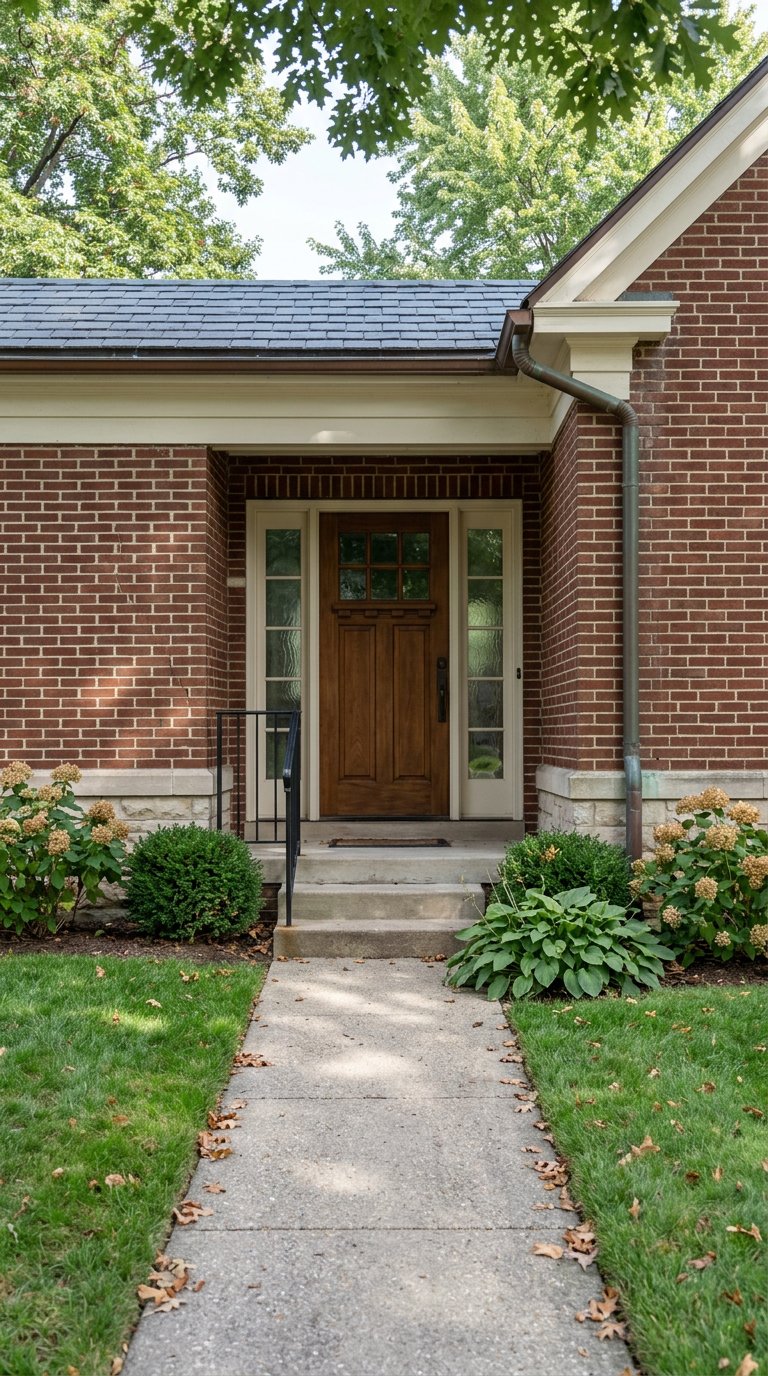
Eyeing a Queen Anne on the parkway or a Craftsman off Colfax and wondering what an inspection should cover? Historic homes in Congress Park and the East 7th Avenue Historic District offer unmatched character, but they also come with age-based systems and special rules you need to understand before you buy. In this guide, you’ll learn what to inspect, who to hire, how Denver’s design review works, and where tax credits may help. Let’s dive in.
Congress Park and 7th Avenue at a glance
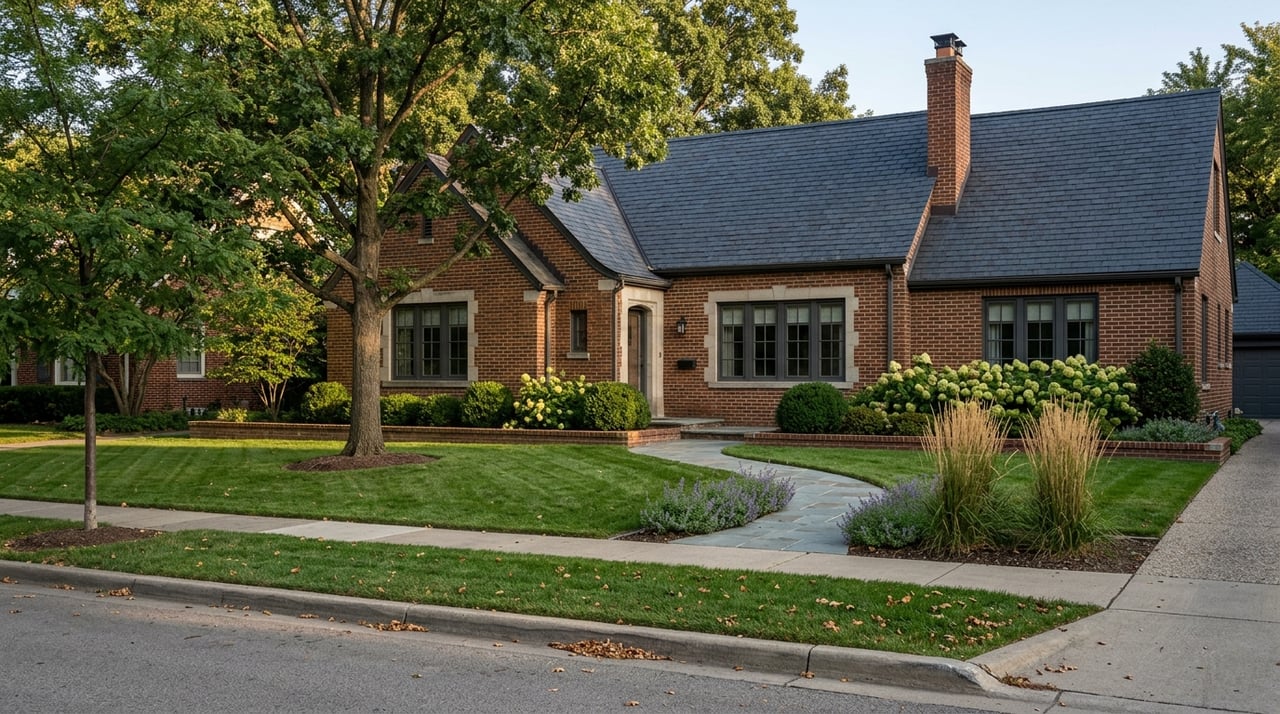
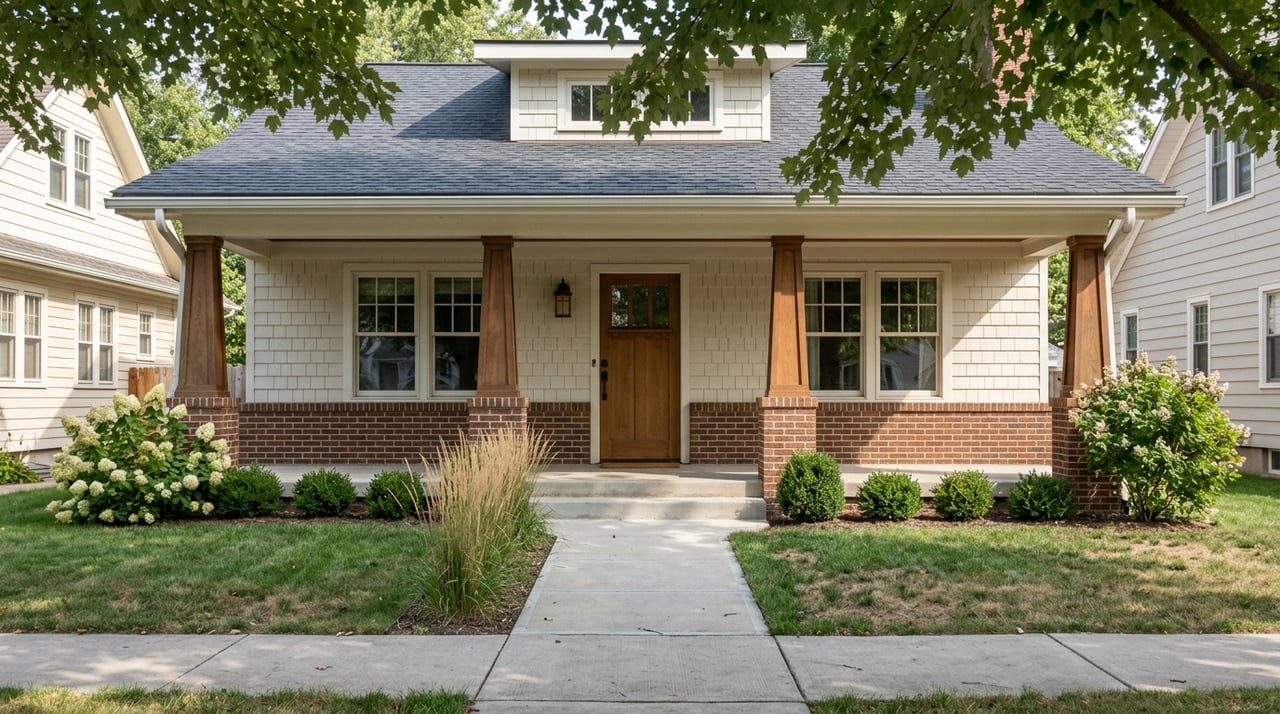
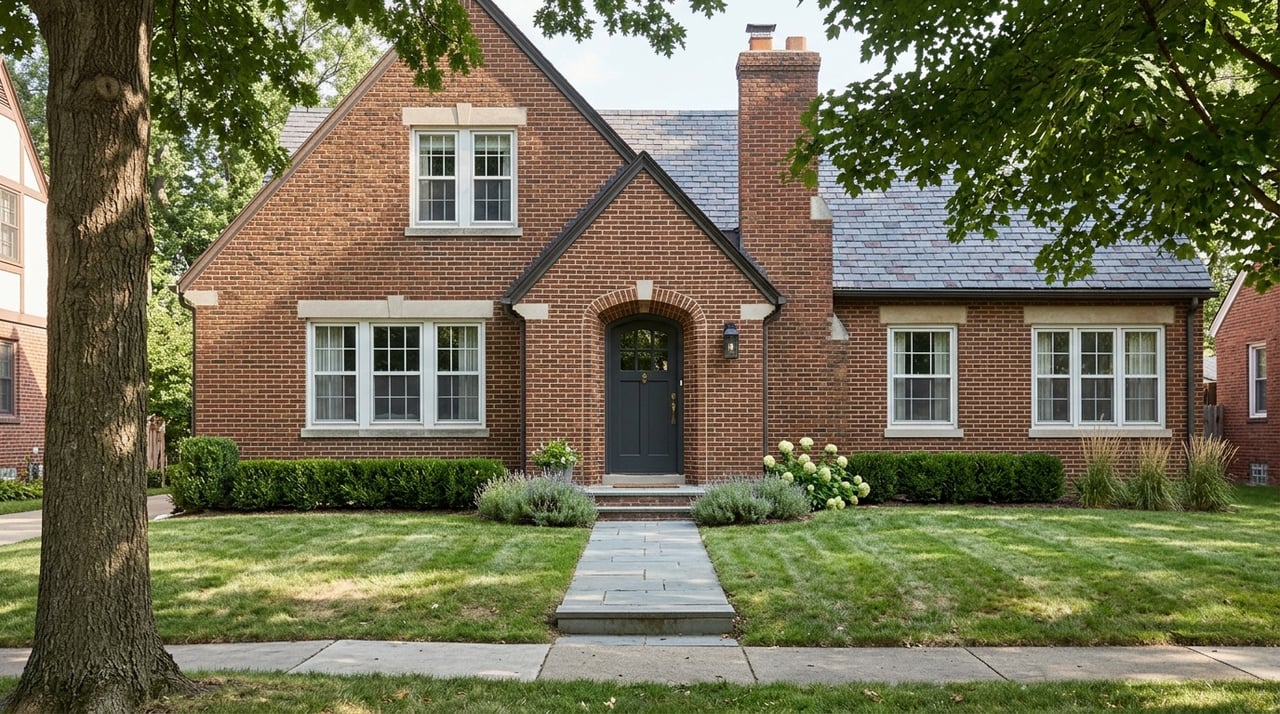
Congress Park stretches from Colfax to 6th Avenue and York to Colorado Boulevard, with homes largely built from the 1890s through the 1920s. You’ll find Victorians, Denver Squares, Craftsman bungalows, Tudors, and eclectic revivals that define the neighborhood’s charm. For a quick history and context on typical architecture, explore the Denver Public Library’s overview of Congress Park.
The East 7th Avenue area is Denver’s largest local historic district. It runs roughly two blocks wide from E. 6th to E. 8th Avenues and from Logan Street to Colorado Boulevard. The tree-lined parkway and many homes grew out of Denver’s City Beautiful planning era from the 1890s to 1930. The Denver Public Library’s district guide highlights the parkway’s landscape design and the range of architect-designed residences that shape its identity.
- See Congress Park history and house types: Denver Public Library neighborhood history
- Learn the 7th Avenue parkway story and boundaries: Denver Public Library district guide
What “historic status” means for you
In Denver, local landmark designation triggers design review for many exterior changes. That includes windows, roofing, porches, additions, site work, and sometimes fencing. Approved projects receive a Certificate of Appropriateness that you submit with building and zoning permits. A listing on the National Register of Historic Places is an honor and can help with incentives, but it does not create local permit restrictions by itself.
Before you write an offer, confirm if the property is within a local historic district or individually landmarked. Review what kinds of exterior work will need approval and factor review timelines into your schedule. Start with the city’s overview of Landmark Preservation design review and COA requirements.
Age-related inspection priorities
Older construction deserves a more specialized look. Plan your inspections in a sequence that uncovers the big issues first, then moves to specialty follow-ups.
Foundations and Denver soils
Many homes sit on shallow footings, early concrete, or masonry foundations. The Front Range has zones of expansive clay tied to Pierre Shale, which can cause differential heave and settlement. If you see new or growing diagonal cracks, bowed walls, or notable floor slope, engage a structural engineer and consider geotechnical testing before you commit to repairs. For background on geologic movement in the region, see engineering resources aggregated at Science.gov.
Action steps:
- Check for step cracks, separation at porches, or doors that bind.
- Evaluate grading and drainage away from the foundation.
- If movement is suspected, budget time for a structural and soils review.
Masonry and mortar
Brick and stone façades are common in both neighborhoods. Historic mortar is often lime-based and softer than modern Portland cement mixes. Repointing with hard modern mortar can damage historic brick by forcing stress into the units. Follow the National Park Service’s technical guidance on appropriate cleaning, repointing, and treatment standards for best results. Start with the NPS hub for Preservation by Topic.
Action steps:
- Inspect for spalling brick, open mortar joints, and prior hard-mortar patches.
- If repointing is needed, request mortar analysis and specify compatible mixes.
- Get bids from a contractor experienced in historic masonry.
Roofs and chimneys
Historic roofs may include slate, clay tile, wood shakes, or early asphalt. Many chimneys are original masonry with unlined or deteriorated flues. Water entry often occurs at flashing, dormers, and porches. Expect that some chimneys will need lining or rebuilding to meet modern safety standards. A home inspector who knows historic materials can flag issues; a chimney specialist can scope the flue and verify clearances. For typical historic-home inspection priorities, see InterNACHI’s guidance.
Action steps:
- Review roof age, material, and flashing details at transitions.
- Scope masonry chimneys and confirm flue liners and cap conditions.
- Budget for specialized roof work, especially on slate or clay tile.
Windows and doors
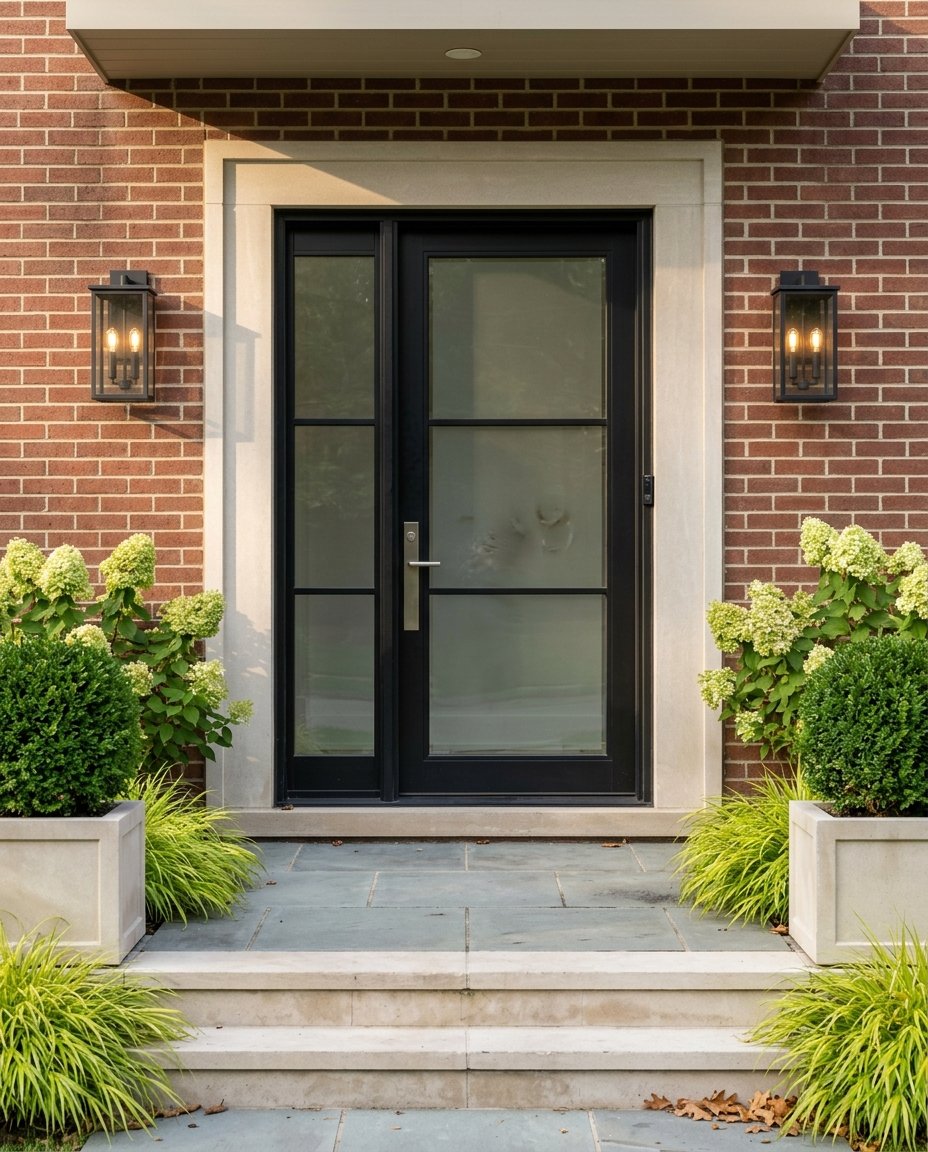
Original wood windows and doors are often character-defining features, especially along the parkway. In many cases, repair and weatherization outperform full replacement on both preservation and cost bases. The NPS’s Preservation Brief 9 details repair options and performance upgrades like storms and interior panels. If the property is locally designated, window replacements usually require design review. Learn the fundamentals in Preservation Brief 9 on historic wood windows.
Action steps:
- Assess sash condition, glazing putty, weatherstripping, and operability.
- Price restoration plus storms as an alternative to wholesale replacement.
- Confirm what the Landmark review board will allow before making plans.
Electrical and mechanical systems
Expect a mix of eras: knob-and-tube or cloth-insulated wiring, small service amperage, and mid-century panels like Federal Pacific or Zinsco. Many homes use older boilers with radiator heat and aging gas lines. Insurers and lenders may require an electrician’s safety report and targeted upgrades. A historic-savvy general inspector can flag concerns, with a licensed electrician providing the deep dive. Review common issues in InterNACHI’s historic home inspection overview.
Action steps:
- Have a licensed electrician evaluate wiring type, panel brand, grounding, and GFCI/AFCI protection.
- Check age and service records for boilers and water heaters.
- Verify flue venting and clearances for all combustion appliances.
Plumbing and sewer
Galvanized supply lines and cast-iron sewer piping are common. Tree roots, scale, and corrosion can cause blockages or failures. A sewer scope is a smart, relatively low-cost step that prevents surprise excavation later.
Action steps:
- Scope the main line from the home to the street.
- Check water pressure and visible piping for corrosion or leaks.
- Ask about the water service line material and past repairs.
Lead, asbestos, and radon
Homes built before 1978 likely contain layers of lead-based paint. Asbestos may be present in pipe insulation, floor tiles, roofing mastics, and some textured ceilings. In Colorado, radon is common. Plan certified testing early and follow proper work practices if renovation will disturb suspect materials. For homeowner guidance on lead and related hazards, start with the EPA’s resource on protecting your family from lead.
Action steps:
- Order lead risk assessment, asbestos sampling, and radon testing during inspection.
- Use certified firms for any abatement or RRP-covered work.
- Keep reports for Landmark and potential tax credit documentation.
Who to hire and when
Use a step-by-step approach so you do not over-invest before you understand the big picture.
- Start with a home inspector who regularly evaluates historic properties. This sets the roadmap and identifies where you need specialists.
- Follow with a licensed electrician and a plumber who can perform a sewer scope. These systems often drive safety, insurance, and budget decisions.
- Bring in a structural engineer if the foundation shows movement or your inspector flags concerns. If major work is likely, a geotechnical engineer can confirm soil conditions and guide permanent fixes.
- Add specialists as the house requires: a chimney sweep, window restoration pro, masonry conservator, and environmental testing firms. If you plan exterior changes, consult a preservation architect to align with the Secretary of the Interior’s Standards and to streamline Landmark review.
This order helps you control costs, target negotiations, and plan for permits and potential incentives.
Permits, COA, and tax credits
If the home is locally designated, exterior work typically needs Landmark design review and a Certificate of Appropriateness. Engage Landmark staff early to confirm what is likely to be approved and how to sequence applications with your building permits. Use the city’s guide to Landmark Preservation design review to plan scope and timing.
You may also be able to leverage state historic preservation income tax credits for qualified rehabilitation work if you follow the Secretary of the Interior’s Standards. Denver Landmark Preservation administers the local certification steps and pre-application meetings; you must apply before work starts. Review Denver’s page on state historic preservation income tax credits and how to apply, then cross-check program rules and caps with Colorado OEDIT/History Colorado’s program details. Program rules were updated for 2025, so verify current caps and timelines for your project year.
Buyer due diligence checklist and timing
Use this sequence to shape your contingencies and keep your purchase on track.
Pre-offer walkthrough priorities:
- Confirm landmark status and whether the property sits within a local historic district.
- Look for visible structure red flags: large step cracks, bowed walls, or severe floor slope.
- Note complex or older systems: knob-and-tube wiring, very old boilers, multiple panels.
- Request any past permits, Landmark approvals, and environmental test results.
Post-offer inspections and contingencies:
- Schedule a historic-savvy general inspection, then add specialty follow-ups: electrician, plumber with sewer scope, chimney sweep, lead/asbestos testing, and radon.
- Include a contingency to review design constraints and likely COA outcomes for your planned exterior work.
- Allow time for at least one estimate each from a historic masonry contractor and a window restoration specialist if those items are material to your plans.
- If you intend to use state tax credits, build the pre-application and review steps into your schedule before work begins.
Documentation to gather for closing:
- Full inspection reports and specialty evaluations.
- Landmark COAs and any related staff correspondence.
- Environmental test reports for lead, asbestos, and radon.
- Written estimates for significant repairs to guide budgeting and negotiations.
When to renegotiate or walk away
Every historic home has quirks. Still, some findings call for deeper negotiation or a pause.
- Active structural movement with unclear cause or six-figure stabilization estimates.
- Unpermitted or incompatible exterior changes in a designated property that would likely fail COA and require reversal.
- Active knob-and-tube wiring with amateur splices, especially where insulation buries the runs and insurers may decline coverage.
If you encounter any of these, bring in the right engineers and consultants to quantify solutions and costs. Revisit price and terms with data in hand.
Ready to explore Denver’s historic districts?
With the right inspection plan and an understanding of design review, you can buy a historic home with confidence. If you want a discreet, strategic partner to help you evaluate homes in Congress Park or along East 7th Avenue, request a private consultation with the Wolfe Bouc Team. We will help you align inspections, approvals, and negotiations so you can preserve character and protect value.
FAQs
What should a historic home inspection in Congress Park include?
- A general inspection by someone experienced with older construction, plus specialty reviews for electrical, sewer, chimney, environmental testing, and structure if movement is suspected.
How does Denver’s Landmark design review affect my renovation?
- If the property is locally designated, many exterior changes need a Certificate of Appropriateness; confirm scope and timing with Landmark staff before you plan or budget work.
Are original windows in 7th Avenue homes worth restoring?
- Often yes; repair plus weatherization can perform well while preserving character, and replacements may require design review under preservation standards.
Do I need a sewer scope on a 1920s Denver home?
- Yes; cast-iron lines and tree roots are common issues, and a camera inspection helps you avoid surprise excavation after closing.
Can I get tax credits for rehabilitating a historic Denver home?
- Potentially; state credits may apply if your scope meets preservation standards and you apply before work starts. Check Denver’s guidance and Colorado’s program details for current rules.
What structural signs should push me to hire an engineer?
- New or expanding diagonal cracks, bowed walls, significant floor slope, or repeated sticking doors and windows suggest movement worth a structural and possibly geotechnical review.