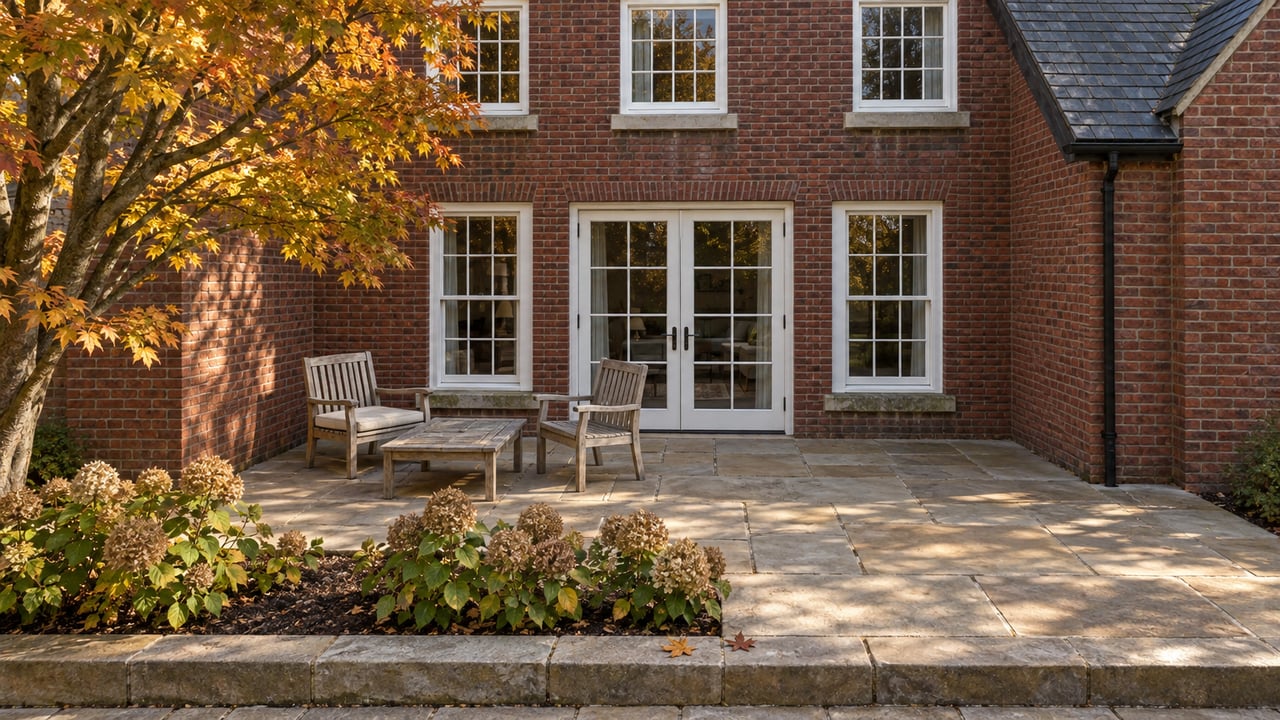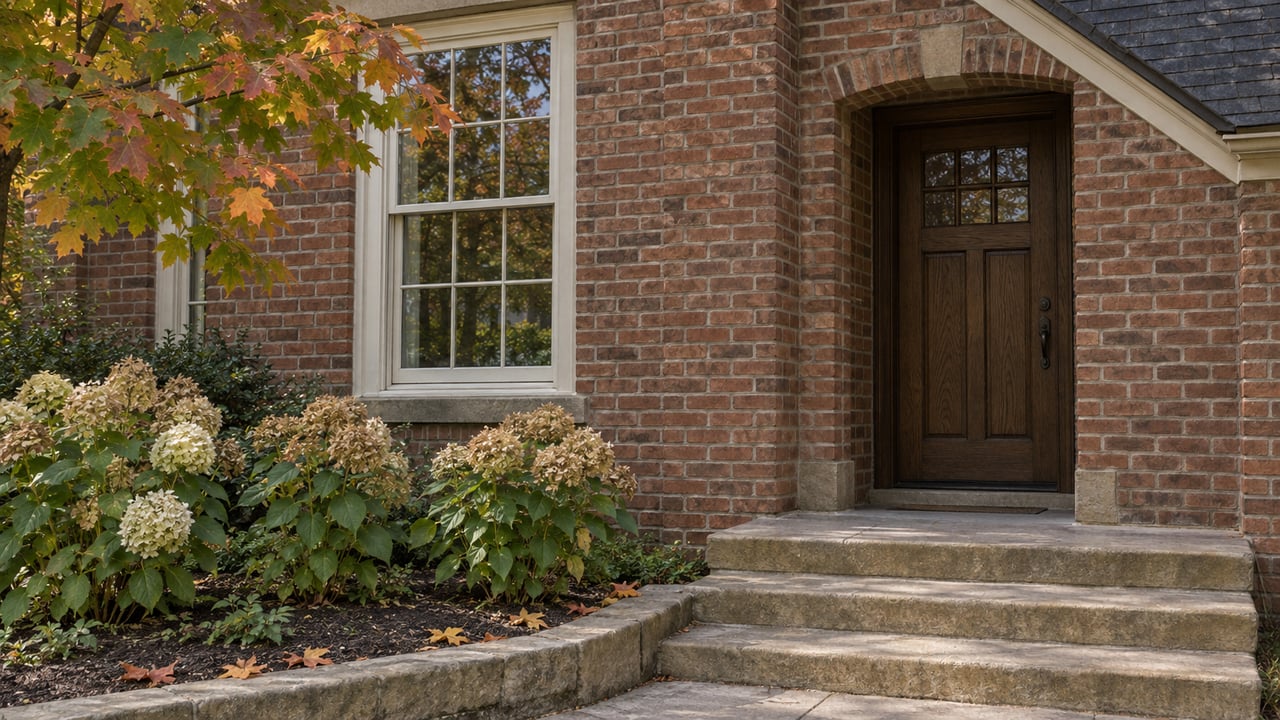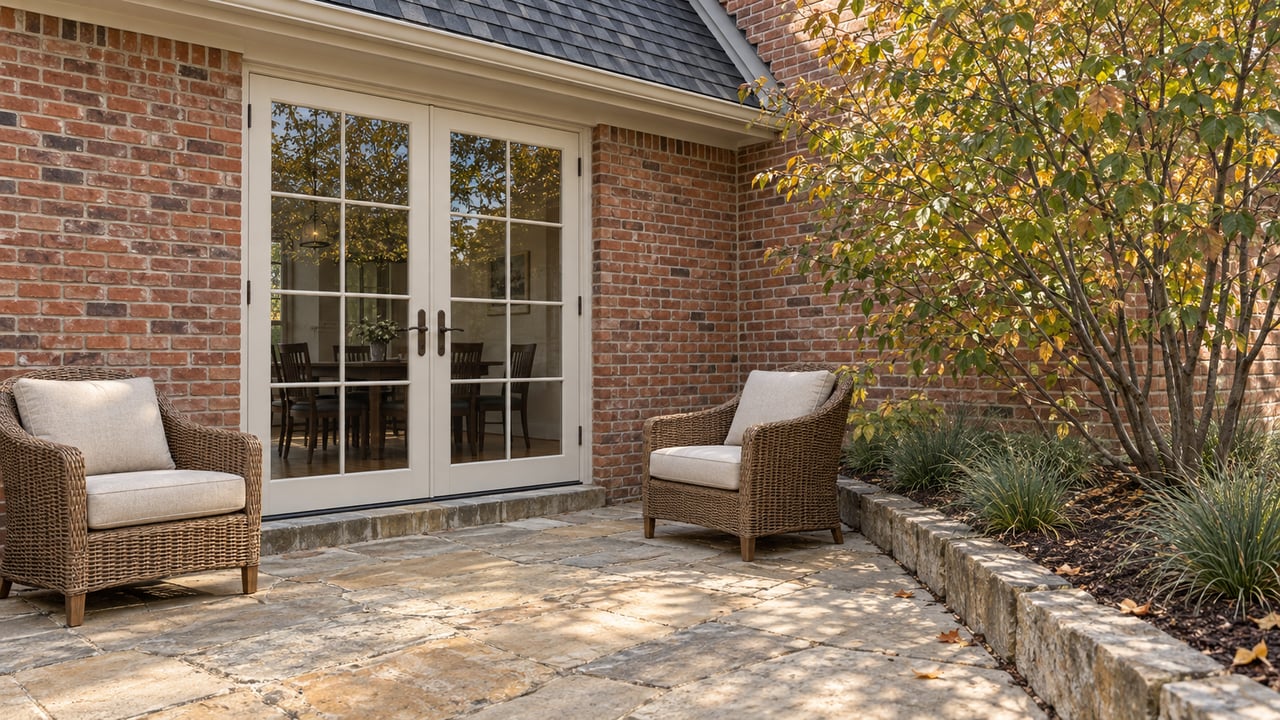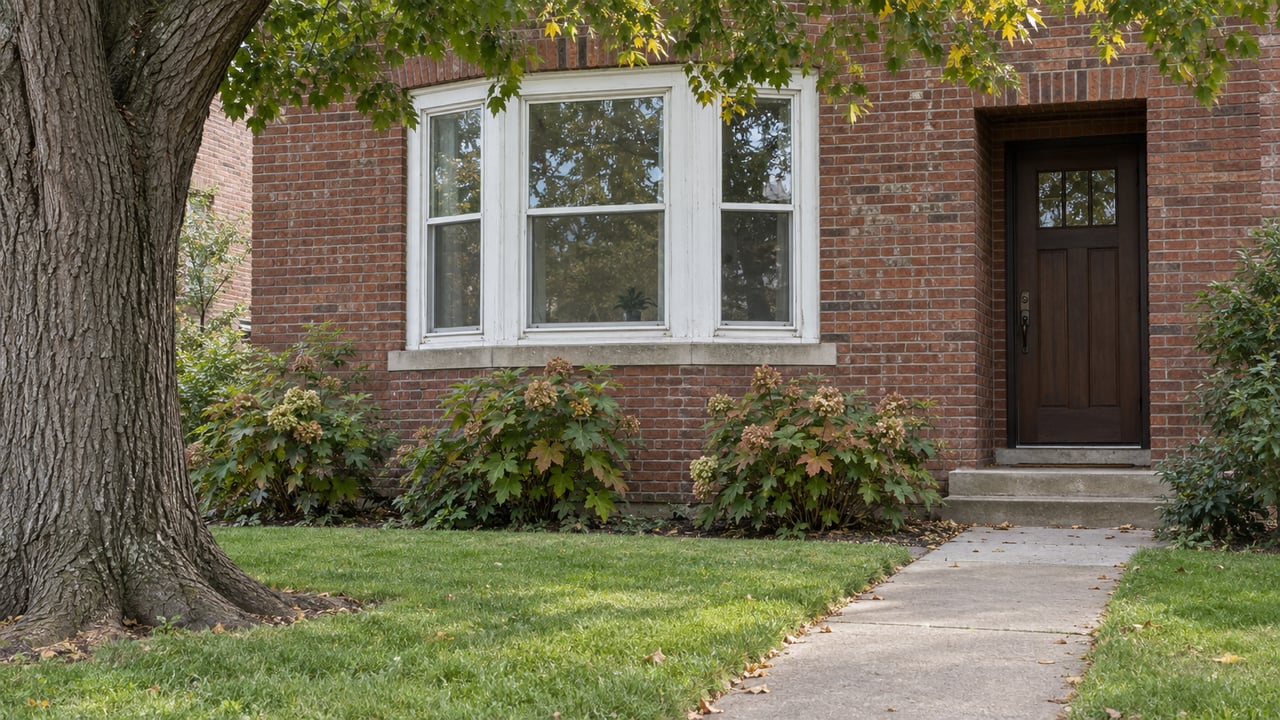
If you own a home in Belcaro, the biggest value question may not be what to list for. It may be whether your property should be sold as-is, improved through a smart remodel, or positioned as a redevelopment opportunity. In a neighborhood where buyers often weigh both the house and the lot with unusual care, that decision can change your pricing strategy, timeline, and buyer pool. Let’s dive in.
Why This Decision Matters in Belcaro
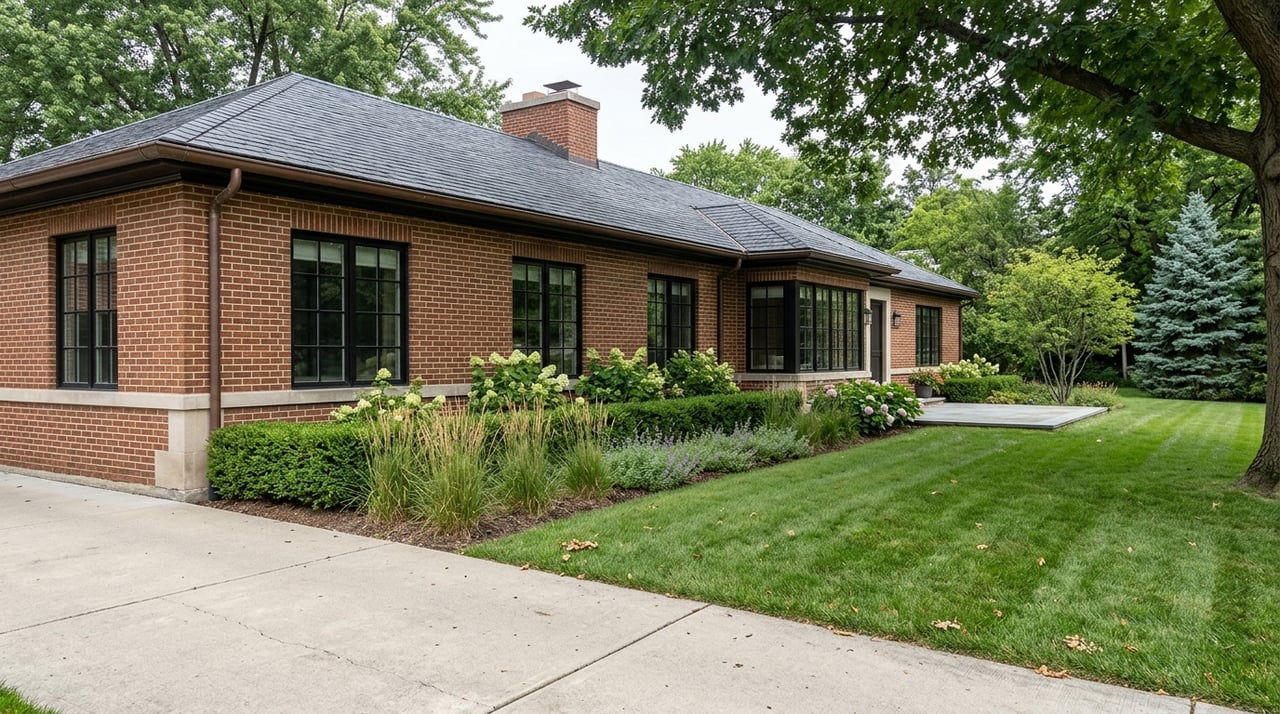
Belcaro sits in Denver’s upper-end housing tier, and that changes how buyers look at your property. In 2025, 5280 ranked Belcaro ninth among Denver neighborhoods and reported an average sale price of $1,907,908. The same source described Belcaro as a place with big homes, newer custom builds, and luxe ranch-style houses on larger-than-average lots.
That context matters because Belcaro often trades above the broader 80209 baseline. Zillow reported a typical home value of $982,341 in 80209 as of April 30, 2026, while Realtor.com described 80209 as a seller’s market in March 2026, with a median 34 days on market and a 97% sale-to-list ratio. For you as a seller, that suggests lot quality, curb appeal, and design fit can strongly influence value.
Belcaro Has a Distinct Housing Story
Belcaro is not a one-note neighborhood. Dwell describes Belcaro Park as one of Denver’s less documented midcentury areas, with California Contemporary ranches, modest post-war ranch homes, tree-lined streets, and gentle rolling hills. It also notes that fewer expansive ranches on large lots remain intact.
That mix helps explain why both polished remodels and teardown sites can attract attention. Some buyers want a move-in-ready ranch that still feels true to the neighborhood. Others are searching for a large lot where a new custom home may make sense.
What Buyers Notice First
In Belcaro, buyers and builders are often evaluating more than finishes. They are asking whether the house fits the lot, whether the architecture still holds value, and whether the site can support further investment. That means your decision should start with the fundamentals, not just the condition of the kitchen or baths.
A few questions usually drive the answer:
- Is the lot large enough and well-positioned enough to support deeper investment?
- Does the existing home still have architectural merit worth preserving?
- Would an updated home compete at Belcaro’s price level after construction costs?
- Are there constraints such as trees, setbacks, covenants, or zoning that could limit your options?
Why Ranch Homes Need a Careful Approach
Belcaro’s ranch homes often carry a strong design identity. National Park Service preservation material describes the ranch style as one-story, horizontal, and tied to indoor-outdoor living, often with low-pitched roofs, attached garages, large windows, and rear patios. Larger lots also helped the style thrive in the West.
That matters because not every addition improves value. In Belcaro, buyers may respond well to updates that preserve the low, wide, easy-living feel of a ranch. They may be less enthusiastic about changes that make the home feel awkward from the street or too heavy for the lot.
Option 1: Sell As-Is
Selling as-is can make sense when the land and location carry most of the value. If the structure has limited functional value, taking on a major project may not be the best use of your time or money. This path can also reduce stress because you avoid construction risk, permit delays, and extra carrying costs.
The tradeoff is pricing. A dated layout, worn finishes, or deferred maintenance can lead buyers to discount the home when they compare it with renovated properties or newer construction. Still, in Belcaro, the lot itself can be a major driver of interest.
A recent 2026 BusinessDen story highlighted a Belcaro property where an older ranch was torn down and replaced with a large custom home. That example underscores an important point for sellers: in some cases, buyers are buying the site first and the existing house second.
When selling as-is may be the right fit
- Your lot is especially attractive
- The existing house needs extensive work
- You want a faster, simpler sale process
- You do not want to take on renovation uncertainty
Option 2: Pursue a Strategic Remodel
A strategic remodel often works best when the home has a solid shell but an outdated layout. This is especially true in Belcaro, where many buyers still want the ranch-house lifestyle but expect a more refined living experience. If your home has strong bones, thoughtful updates may help you capture more of the neighborhood premium.
Dwell’s Belcaro ranch case study offers a useful example. The project modernized the home by removing walls, adding glass, and placing a second-floor addition toward the rear so the street-facing profile remained traditional. That kind of restraint can matter in Belcaro, where architectural compatibility often affects buyer response.
A remodel can be especially compelling if it improves flow, light, and the connection to the yard without erasing the home’s original character. In the right case, you are not just updating finishes. You are preserving what buyers already value while solving what may be holding the home back.
Remodel projects that may support value
- Opening up choppy living spaces
- Improving natural light with better glazing or layout changes
- Updating kitchens and baths within the home’s design language
- Refining the rear of the home or backyard connection
- Making selective additions that do not overpower the original street presence
Denver permit considerations for remodels
Denver states that building permits are required for remodeling work that adds walls, stairs, new exterior openings, or affects structural integrity. Purely cosmetic work such as painting or changing fixtures generally does not require a building permit. If you are considering a meaningful remodel before listing, those rules should be part of your planning from the start.
Option 3: Market It as a Redevelopment Opportunity
Sometimes the strongest story is not the current house at all. If the lot is the star and the existing home is too compromised to justify renovation, positioning the property as a premium redevelopment opportunity may be the clearest strategy. In Belcaro, that can be a real value path because lot size and setting are often central to buyer interest.
BusinessDen recently reported on a Belcaro case where a buyer acquired a property with an older ranch, navigated a landmark challenge, and ultimately built a 9,862-square-foot prairie-style residence. That does not mean every lot should be treated as a teardown, but it does show why builders study width, tree placement, setbacks, and neighborhood context so closely.
This path can be powerful, but it also comes with more complexity. Buyers thinking about redevelopment are not just evaluating purchase price. They are also weighing demolition timing, design feasibility, permit requirements, and site restrictions.
Zoning Can Change the Answer
In Belcaro, two homes that look similar from the street can have very different future potential. Denver’s zoning code is context-based, and exact zone districts matter. According to Denver’s zone descriptions, R-0 and R-1 require 6,000 square feet per dwelling unit, R-X requires 7,500 square feet, and R-S-4 requires 12,000 square feet.
That means your remodel or rebuild options may depend heavily on the specific district assigned to your parcel. Before you decide how to market the property, it is important to understand what the zoning actually allows. A pricing strategy built on assumptions can quickly fall apart if the site has less flexibility than expected.
Demolition and Site Rules Matter Too
If you are leaning toward a teardown story, the process is not only about design. Denver says demolition applicants must notify adjacent property owners at least 10 business days before a demolition permit can be issued. In residential zone districts, established trees within primary and side-street setback areas generally must be preserved unless the city forester approves removal.
Those details can materially affect value and timing. A lot with favorable dimensions but difficult tree constraints may not be viewed the same way as a clean site with fewer obstacles. If a property is individually landmarked or located in a historic district, the process can become even more involved.
Denver states that in those historic scenarios, a pre-application meeting is required and, if demolition is approved, a replacement structure plan must be in place before the building comes down. That is one reason a redevelopment-ready narrative should be grounded in actual feasibility, not broad assumptions.
Could an Addition or ADU Be the Middle Ground?
For some sellers, the answer sits between a light remodel and a full rebuild. An addition or accessory dwelling unit may improve utility and marketability without requiring a complete reset of the property. In some cases, that can broaden your options before listing.
Denver says ADUs are allowed in all zone districts that allow new single-unit dwellings. However, they still require zoning, building, and sewer-use or drainage permits, and they must be built by a licensed contractor. The city also notes that ADUs are subject to rules on size, height, placement, and access.
In other words, an ADU is not automatically feasible just because it sounds attractive on paper. Lot characteristics and zoning still decide what is practical.
How To Choose the Right Path
For most Belcaro sellers, the best answer comes from balancing four factors: lot quality, house condition, architectural character, and regulatory feasibility. If the lot is exceptional and the house has little remaining value, an as-is or redevelopment story may be strongest. If the house has meaningful design integrity and the layout can be improved intelligently, a strategic remodel may unlock better returns.
It is also worth remembering that the highest theoretical value is not always the best real-world choice. Time, risk tolerance, privacy, and appetite for construction all matter. A simpler path with clearer execution can sometimes produce the best overall outcome.
A Belcaro-Specific Selling Strategy Matters
Belcaro is one of those neighborhoods where generic advice can miss the mark. The right strategy depends on how your property fits the block, the lot, and the neighborhood’s architectural rhythm. It also depends on whether the premium is being carried more by the home, the land, or a combination of both.
That is why this decision deserves a measured, property-specific review before you go to market. If you are weighing whether to remodel, sell as-is, or position your home as a future build site, the next step is a private conversation with a team that understands Belcaro at the micro-market level. To discuss your options with discretion and clarity, connect with the Wolfe Bouc Team.
FAQs
Should Belcaro sellers remodel before listing?
- It depends on the lot, the existing home’s condition, and whether the architecture still supports a higher-end finished product.
Are Belcaro lots valuable enough to sell as teardown opportunities?
- In some cases, yes. Belcaro’s larger lots and higher price point can make land value a major part of the sales story.
Do Denver permits matter for a Belcaro remodel?
- Yes. Denver requires permits for many remodel projects that affect walls, stairs, exterior openings, or structural integrity.
Can zoning affect whether a Belcaro home should be remodeled or rebuilt?
- Yes. Denver’s context-based zoning can shape lot potential, expansion options, and rebuild feasibility.
Are ADUs allowed for Belcaro properties in Denver?
- ADUs may be allowed where new single-unit dwellings are allowed, but feasibility still depends on zoning, permits, lot placement, size, height, and access rules.