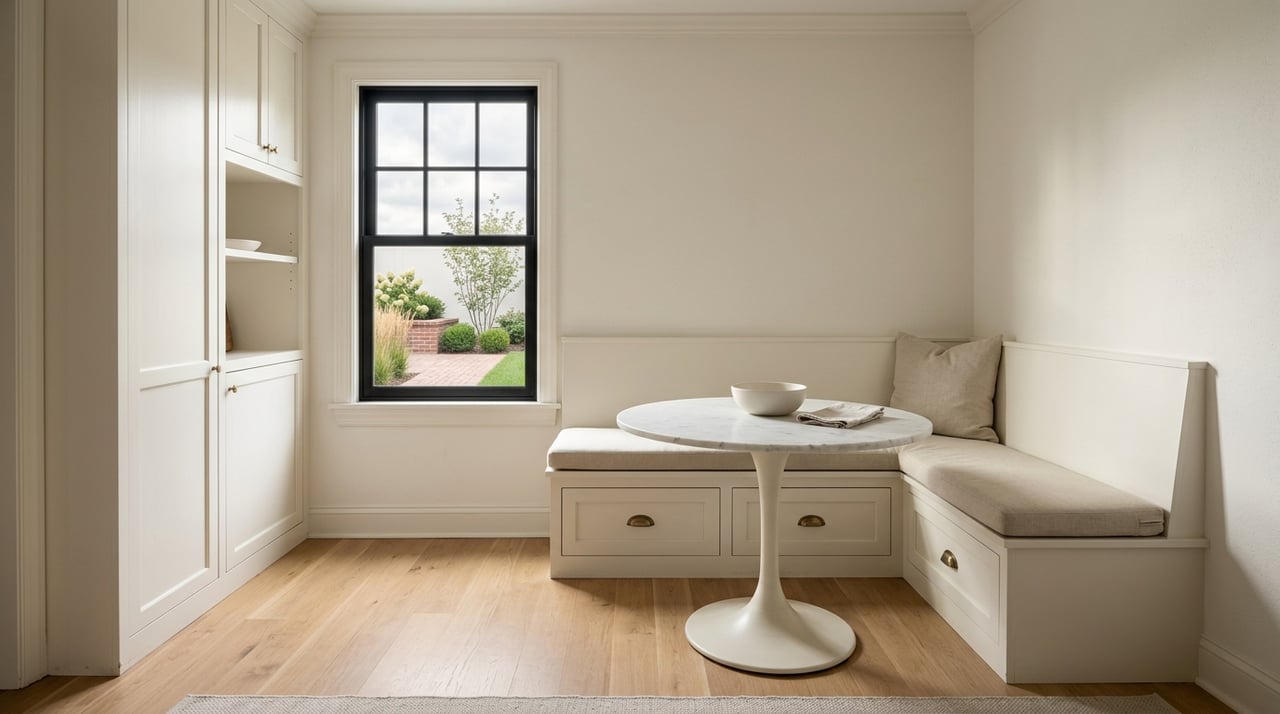
If you love the charm of a Platt Park bungalow, you already know the tradeoff: character often comes with a tighter footprint. The good news is that in this Denver neighborhood, the most thoughtful homes do not need to lose their soul to gain function. With the right design moves, you can make a bungalow live larger while preserving the porch, scale, and original details that give it lasting appeal. Let’s dive in.
Why Platt Park bungalows reward smart design
Platt Park is well suited to space-conscious design because its identity has long been shaped by walkable residential streets, early streetcar-era growth, and a strong preservation mindset. Historic Denver notes that South Pearl Street expanded with Denver Tramway service beginning in 1893, and that neighbors later pursued a design overlay to help protect the corridor’s historic character.
That context matters when you update a bungalow. In a neighborhood where residential scale and street-facing character still define the experience of the block, the best improvements are usually the ones that make your home work better without overwhelming what is already there.
History Colorado describes the Colorado bungalow as a common home type from about 1900 to 1930, typically one or one-and-one-half stories with broad porches, gently pitched roofs, and simple horizontal lines. In Platt Park, those features are not just architectural details. They are part of the neighborhood’s visual rhythm.
Start by improving flow indoors
One of the most effective ways to create more usable room is to improve circulation inside the existing footprint. Publicly documented Platt Park remodels show that owners often gain a much bigger sense of space by opening walls between the kitchen, dining, and living areas rather than adding large amounts of square footage.
In one local remodel, the wall between the kitchen, living, and dining rooms was opened to improve flow. In another, a kitchen ceiling was raised and the wall to the living room was removed while exposed brick was preserved. These examples point to a common goal in Platt Park: make the home feel brighter and more connected without stripping away the textures that make a bungalow feel authentic.
Focus on visual openness
Visual openness can make a modest home feel significantly larger. Sight lines between the main rooms, better daylight, and fewer interruptions in movement often change the experience of the home more than an addition does.
That does not mean every wall should come down. In a bungalow, the best results usually come from being selective. Preserve the details that anchor the home’s character, then remove or reshape the barriers that make the layout feel cramped.
Keep original texture where possible
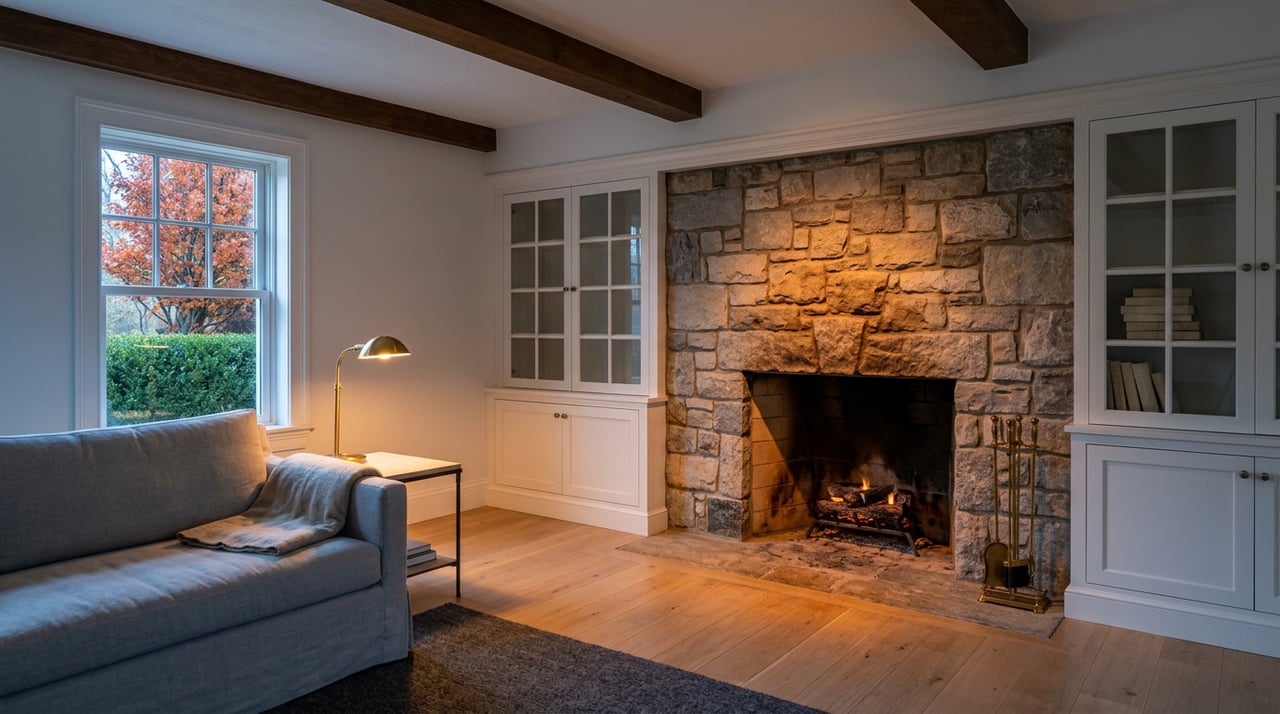
When homeowners in Platt Park renovate well, they often keep the elements that tell the home’s story. Exposed brick, coved ceilings, wood floors, bay windows, arched doorways, and original built-ins can help a remodel feel grounded instead of generic.
That balance matters for both daily living and long-term appeal. A home that functions better but still reads like a bungalow often feels more enduring than one that trades character for a fully standardized layout.
Protect the front of the house
If there is one principle that shows up again and again in well-considered bungalow design, it is this: preserve the street-facing house. The front porch, roofline, and original massing are often the features that make the property feel connected to the block.
The National Park Service notes that additions to historic buildings should preserve character-defining materials and features, minimize visibility from primary views, and typically be placed at the rear or on an inconspicuous side. It also advises that additions should be subordinate and compatible rather than identical or dramatically different.
Why the porch matters
Front porches are especially important in bungalow neighborhoods. The National Park Service states that porch size, style, and location help define a historic building, and that insensitive enclosure or alteration can damage authenticity.
In Platt Park, that guidance fits the neighborhood well. Denver planning guidance for nearby residential areas emphasizes street trees, landscaped frontages, and open space patterns that respond to historic residential streetscapes. When a porch remains intact, the house tends to keep its relationship with the street.
Put new space at the rear or above
When more square footage is necessary, the strongest pattern in Platt Park is to place it where it is least visible. Rear additions and carefully scaled upper-level expansions can add function while keeping the original front of the home legible.
Local project examples support this approach. One Platt Park residence used block-sensitive setbacks, a strong front porch, familiar building forms, and traditional materials. Another retained the original 1908 bungalow scale at the front while adding a second-story form and rear expansion that respected the house’s original presence.
Rear additions often feel most natural
For many lots, the backyard is the best expansion zone. It lets you create larger kitchens, family rooms, mudrooms, or indoor-outdoor living areas without overpowering the front elevation.
A Platt Park project on a small urban lot used a rear garage, seasonal patios, and a strong indoor-outdoor connection while staying scaled to neighboring properties. That is a useful model for homeowners who want more living space but do not want the front of the house to lose its bungalow identity.
Pop-tops need restraint
Vertical additions can work in Platt Park, but only when they are carefully scaled. Public examples show successful pop-tops that preserve the front porch, respect the original footprint, and keep roof changes constrained on smaller lots.
The lesson is simple: if you build up, do it with discipline. An upper level should support the original house, not visually overpower it.
Use small-lot outdoor space intentionally
In a neighborhood with compact lots, outdoor areas need to work hard. Instead of treating the yard as leftover space, thoughtful bungalow design turns it into an extension of daily living.
Seasonal patios, indoor-outdoor connections, and rear-yard gathering areas can make a home feel much larger. This works especially well when the front remains calm and residential in character while the backyard carries more of the entertaining and flexible living functions.
Let the backyard do more
The backyard can support dining, lounging, storage, and secondary structures without changing the street-facing composition of the home. For many Platt Park properties, this is the best place to add utility and flexibility.
That same logic now extends to accessory dwelling units. Denver’s citywide ADU measure took effect on December 16, 2024, allowing ADUs in all residential areas of the city. According to the city, an ADU can be detached in the backyard, above a garage, attached as an addition, or converted from attic or basement space.
Understand Denver ADU basics
Denver states that ADUs must meet zoning and building codes, be built by a licensed contractor, and are limited to one ADU per primary dwelling unit. The city also says ADUs must use shared access rather than a separate driveway, except when access comes from an alley.
In practical terms, that gives Platt Park homeowners more ways to think about compact living on-site. A documented local ADU project paired a one-bedroom dwelling with a two-car garage and separate entrances, showing how a backyard structure can do double duty without competing with the main house.
Look for storage in secondary spaces
Before expanding outward, it often makes sense to reclaim underused space inside the home. The National Park Service recommends maximizing retention of distinctive materials, features, spaces, and spatial relationships, and considering secondary areas before adding onto a historic building.
For a bungalow, that can mean restoring original built-ins, improving basement or attic use, reworking a mudroom, or adding closets in places that are not visible from the street. These changes may seem modest, but they often solve the everyday storage problems that make a home feel too small.
Built-ins are part of the answer
Original built-ins do more than add charm. They support the efficient, intentional way many bungalows were designed to function in the first place.
In one Platt Park pop-top project, the owners specifically valued the existing built-ins and the front porch, and the design preserved those familiar features while extending the home. That is a helpful reminder that storage and character do not need to be competing goals.
Check historic status before you remodel
Before you make plans, verify whether your property is individually landmarked or located within a designated district. Denver’s Landmark Preservation office reviews demolition applications citywide and also reviews exterior work on designated local landmarks or historic districts.
The city provides an interactive historic landmarks map to help confirm status. Even when a property is not formally designated, understanding the review framework early can help you avoid surprises and shape a better project from the start.
The best Platt Park design strategy
Across the documented projects and preservation guidance, a clear pattern emerges. The most successful Platt Park bungalow updates tend to open the interior, preserve the front porch and original textures, move new square footage to the rear or upward, and keep additions visually subordinate to the original home.
That approach respects how the neighborhood developed and why buyers continue to value it today. In a place like Platt Park, smart design is rarely about adding as much as possible. It is about making space in a way that keeps the house, and the block, recognizable.
If you are weighing improvements to a Platt Park bungalow or preparing to buy or sell a home where design decisions will shape value, the right guidance matters. For a thoughtful, neighborhood-informed perspective, connect with the Wolfe Bouc Team.
FAQs
What makes Platt Park bungalows different from other Denver homes?
- Platt Park bungalows often reflect Colorado bungalow design from the early 1900s, with broad porches, modest scale, simple horizontal lines, and details that contribute to the neighborhood’s established streetscape.
What design changes create more space in a Platt Park bungalow?
- The most common space-making changes include opening walls between main living areas, improving circulation, raising ceilings where possible, and using basement, attic, or mudroom areas more efficiently.
Where should an addition go on a Platt Park bungalow?
- In most cases, rear additions or carefully scaled upper-level expansions are the best fit because they preserve the street-facing character, front porch, and original form of the house.
Why is the front porch so important on a Platt Park bungalow?
- The front porch is often a defining architectural feature of a bungalow, and preserving its size, style, and location helps maintain the home’s historic character and relationship to the street.
Can you build an ADU on a Platt Park property in Denver?
- Denver’s citywide ADU measure allows ADUs in all residential areas of the city, subject to zoning and building code requirements, licensed-contractor construction, and the city’s access and use rules.
How do you check if a Platt Park home has historic review requirements?
- You can confirm whether a property is individually landmarked or in a historic district through Denver’s Landmark Preservation resources and historic landmarks map before starting exterior work or demolition planning.