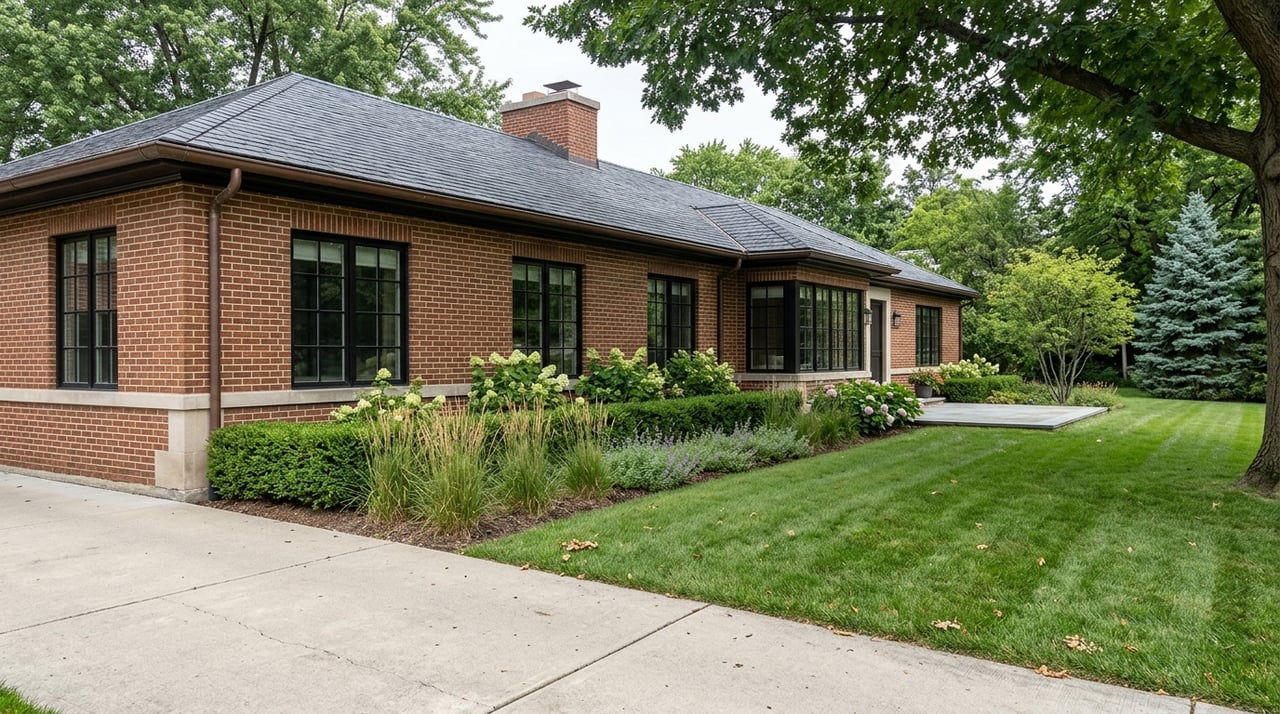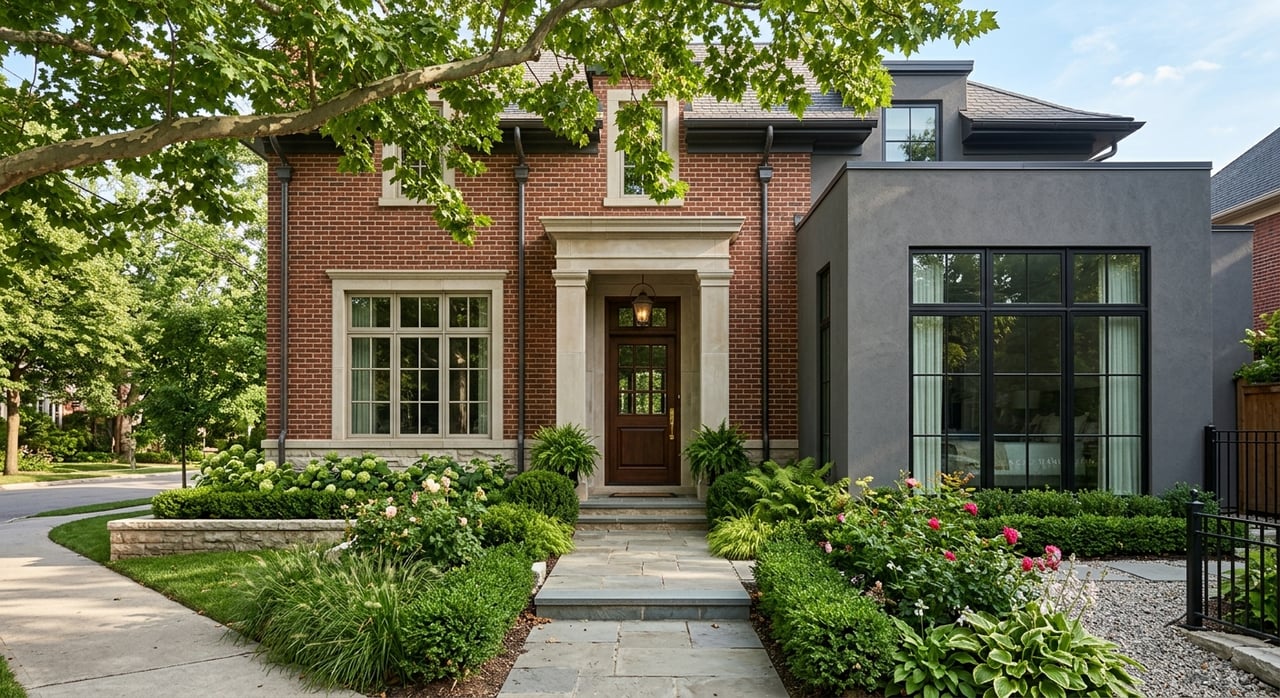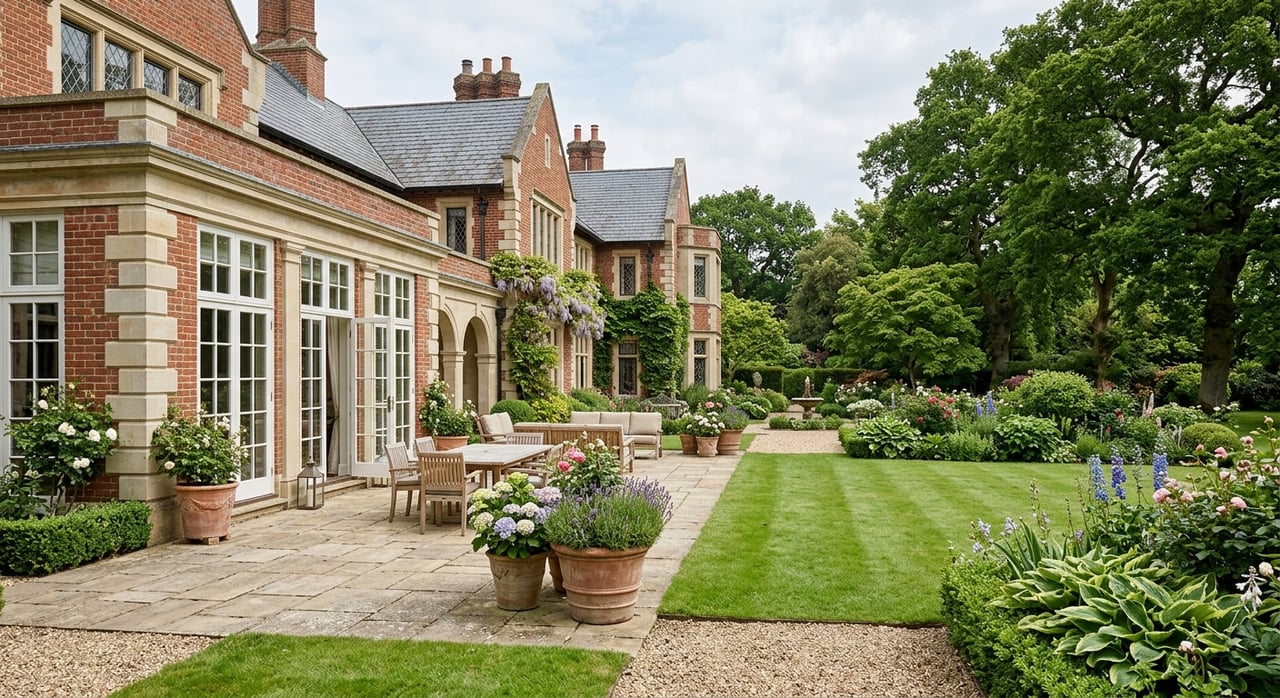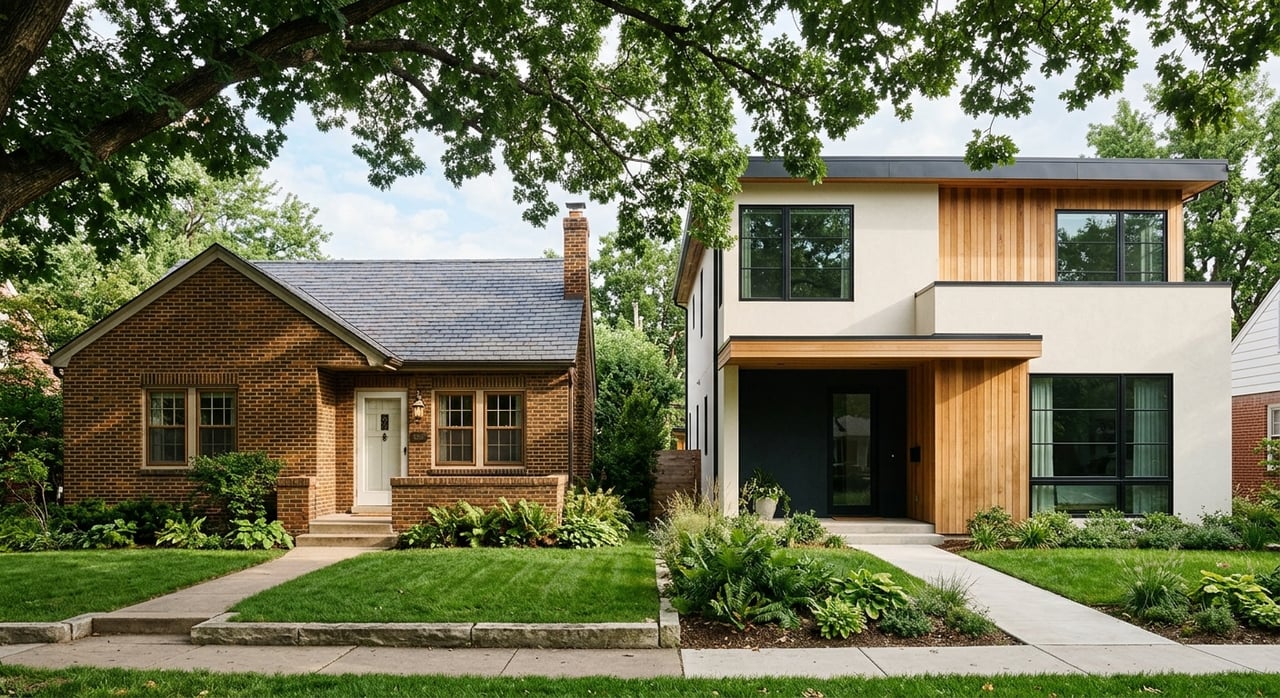
If you have ever driven through Washington Park and wondered how one neighborhood can hold cozy early cottages, classic bungalows, stately Tudors, Denver Squares, and striking newer homes all within a few blocks, the answer is history, design, and steady reinvestment. For buyers, sellers, and longtime owners, that mix can feel exciting but also hard to interpret when you are trying to understand value. This guide will help you see how Washington Park evolved, what shapes today’s housing landscape, and why style, lot, and micro-location matter so much here. Let’s dive in.
Washington Park Starts With The Park
Washington Park is best understood as more than a neighborhood beside a well-known green space. According to the Denver Public Library’s neighborhood history, the park was laid out in 1889 as a scenic civic landscape with two lakes, a large meadow, formal flower beds, mature trees, and a remnant of the City Ditch.
That legacy still shapes the feel of the area today. The City of Denver’s parkway guidance explains that parkway streets were intentionally designed with tree lawns, setbacks, medians, and front yards to preserve a park-like setting. In Washington Park, that means the surrounding streetscape is part of the neighborhood’s identity, not just its backdrop.
How The Housing Stock Evolved
Early Growth Set The Pattern
Washington Park developed in layers rather than all at once. The Denver Public Library notes that by 1911 the park was almost fully landscaped and residential construction was underway, while streetcar service and early southward growth helped support settlement in the late 19th and early 20th centuries.
As the neighborhood grew, homes reflected Denver’s broader residential expansion. That is why you can still see different eras and architectural forms from block to block. For today’s buyers and sellers, those layers are part of what makes the neighborhood so distinctive.
Bungalows Became A Defining Style
A Historic Denver survey report identifies Washington Park as one of the neighborhoods where bungalow and Craftsman homes were especially common from 1910 to 1920. History Colorado also notes that the bungalow was Colorado’s most common residential form from about 1900 to 1930.
In practical terms, that helps explain why bungalows remain such an important part of Washington Park’s character. These homes often appeal to buyers who value original scale, period detail, and a strong connection to the neighborhood’s early residential history.
Tudors, Denver Squares, And Revival Styles Followed
Washington Park did not stop at bungalows. The same Historic Denver report shows that revival styles such as Tudor, Dutch, English, French, Italian, Spanish Colonial, and Mission became more common in the 1920s, while the Denver Square, also called the American Foursquare, was especially popular in the Denver area from 1895 to 1930.
That mix gives the neighborhood a broader architectural vocabulary than many buyers first expect. Instead of one dominant look, Washington Park offers a progression from modest early homes to more formal and style-driven residences, plus later remodels and new construction.
Why Modern Homes Entered The Picture
Reinvestment Changed The Streetscape
Washington Park has experienced redevelopment pressure for decades. The Washington Park East neighborhood history explains that by the late 1980s and early 1990s, the area was increasingly seen as one of Denver’s most desirable inner-city residential neighborhoods, and smaller historic houses were often expanded with pop tops or scraped for replacement homes.
That history helps explain today’s visual variety. In many parts of the neighborhood, you will find original homes beside heavily renovated properties and newer custom builds, all reflecting different moments in the neighborhood’s reinvestment cycle.
Preservation Still Matters
Even with change, stewardship has remained part of the neighborhood story. The Washington Park East neighborhood association notes that residents organized around preserving historic character, and it also points to the Eugene Field House relocation in 1930 as one of Denver’s earliest preservation efforts.
For homeowners, this creates an important balance. Washington Park continues to evolve, but many buyers are drawn here precisely because the neighborhood still holds onto its historic identity and established streetscape.
What Buyers Should Notice Today
Style Is Only One Value Driver
Two homes may have similar curb appeal and still carry very different value stories. The Denver Assessor states that Colorado residential values are determined through the market approach, and property records include factors such as style, year built, bedrooms, square footage, lot size, and zoning.
In Washington Park, those basics are only the starting point. Historic integrity, the quality of a remodel, how thoughtfully an addition was done, and whether a newer home fits the lot and streetscape can all influence market perception.
Lot Orientation Can Matter More Than You Think
In many neighborhoods, buyers focus mostly on finishes and square footage. In Washington Park, lot orientation and frontage can matter just as much because of the area’s designed parkway setting.
The City of Denver’s parkway rules explain that properties along designated parkways are subject to building line restrictions, and that setbacks and front yards are central to parkway character. Those rules help explain why newer development often appears as low-rise infill, substantial remodels, or custom replacement homes rather than larger-scale dense redevelopment.
View Corridors And Frontage Influence Appeal
Washington Park’s value story is also shaped by public design controls. Denver references municipal rules tied to preserving mountain views in the Washington Park view-plane framework, which adds another layer to how some sites are experienced and developed.
For buyers, this means not every lot functions the same way, even when lot size looks comparable on paper. For sellers, it is one reason broad neighborhood averages rarely tell the full story.
Why Micro-Location Shapes Pricing
Washington Park consistently ranks among Denver’s upper-tier housing markets, but prices are not uniform across the neighborhood. According to Zillow’s Washington Park home value index, the neighborhood’s home value figure was $1,238,379 as of March 31, 2026.
At the same time, the research also shows that east and west submarkets can perform differently. That gap matters because buyers are not simply choosing “Washington Park” as a whole. They are choosing a specific block, orientation, lot context, and housing type within it.
For that reason, price-per-square-foot shortcuts can miss the mark here. A bungalow with strong original character, a thoughtfully expanded Tudor, and a newer custom home may all compete in different ways depending on their location and presentation.
What This Means If You’re Buying
If you are buying in Washington Park, it helps to look beyond surface style. A careful evaluation should include:
- The home’s architectural type and period
- Whether original features remain intact
- The scope and quality of renovations
- Lot size, zoning, and overall site utility
- Frontage, setbacks, and parkway context
- The home’s position within the east or west submarket
That kind of analysis can help you understand whether a home is priced for its story, its location, its updates, or all three. In a neighborhood with layered architecture and meaningful micro-location differences, that context is valuable.
What This Means If You’re Selling
If you are selling, Washington Park rewards thoughtful positioning. Buyers here often respond to more than measurements and finishes. They notice architectural character, renovation quality, how a home sits on its lot, and how well it aligns with the surrounding streetscape.
That is why valuation should be precise rather than generic. A strong pricing strategy should account for style, remodel history, lot orientation, frontage, and submarket placement, not just the latest neighborhood headline number.
The Through Line In Washington Park
From early cottages and bungalows to Tudors, Denver Squares, major remodels, and modern replacement homes, Washington Park tells a layered story of growth, preservation, and reinvestment. Its housing stock makes more sense when you view it through the lens of the park, the parkway system, and the public rules that continue to shape the neighborhood’s form.
If you are considering a move, sale, or long-term hold in Washington Park, a nuanced read of the neighborhood matters. For discreet guidance rooted in local stewardship and detailed market perspective, you can connect with the Wolfe Bouc Team for a private consultation.
FAQs
What architectural styles are common in Washington Park, Denver?
- Washington Park includes early cottages, bungalows, Craftsman homes, Tudors, Denver Squares, and later revival-style homes, along with remodeled properties and newer custom infill.
Why do home values vary so much within Washington Park?
- Values can differ based on architecture, remodel quality, lot size, zoning, frontage, parkway context, view-related factors, and whether a home is in the east or west portion of the neighborhood.
What makes Washington Park different from other Denver neighborhoods?
- Washington Park is shaped by a historic park-and-parkway system, so the park, surrounding streets, setbacks, medians, and landscaped character all play a role in how the neighborhood looks and functions.
Are newer modern homes common in Washington Park?
- Newer homes are part of the neighborhood mix, largely through infill, major remodels, and replacement builds that followed decades of reinvestment pressure.
Why is a professional valuation important for a Washington Park home?
- In Washington Park, broad averages often miss important details, so a professional valuation can better account for architecture, lot orientation, remodel history, zoning, and micro-location.