Wondering what makes Polo Club one of Denver’s most private and distinctive in-town addresses? If you are comparing luxury neighborhoods in 80209, Polo Club stands out for its quiet setting, varied architecture, and close access to Cherry Creek amenities without giving up a more tucked-away feel. Understanding how this area is laid out and how it lives day to day can help you decide whether it fits your goals. Let’s dive in.
What Polo Club Is in Denver
Polo Club is an enclave within Belcaro in southeast Denver. In a 2025 Denver Board of Adjustment decision, the city described the Polo Club subdivision as bounded by South University Boulevard, South Steele Street, East Exposition Avenue, and East Alameda Avenue. That same decision also noted that the internal streets are private drives rather than public streets.
That private-drive layout is a major part of the neighborhood’s identity. It shapes how the area feels from the moment you enter, with a more secluded, estate-style character than many other close-in Denver neighborhoods. For buyers who value discretion and a sense of separation, that distinction matters.
The neighborhood name also reflects Denver’s polo history. According to the Denver Polo Club’s official history, the city’s early country-club polo team eventually moved to its own playing field, stabling, and clubhouse, and the area today is known as Polo Club Place near Steele and Exposition. That history adds another layer of character to an already established address.
Two Polo Club Living Experiences
One of the most important things to understand is that the Polo Club name covers two very different housing options. On one side, you have the private-drive estate enclave with larger lots, custom homes, and stronger privacy controls. On the other, you have the Polo Club Condominiums tower at 3131 E Alameda Ave.
The condo building offers a different lifestyle entirely. Its official site says the 21-story building sits on about four acres and includes a two-acre walled backyard, walking paths, gardens, and a gazebo. For some buyers, that means a more lock-and-leave, amenity-oriented approach while still staying in the broader Polo Club area.
This distinction is especially useful if you are starting your search in 80209. Two homes may both carry the Polo Club name, but the day-to-day experience can be very different depending on whether you want estate privacy or a more shared, walkable condo setting.
How Polo Club Developed Over Time
Polo Club did not emerge as a single-era neighborhood with one uniform buildout. Public records and recent city findings point to a layered timeline, with homes dating to 1922, 1961, 1968, 1971, 1979, 2004, 2011, and 2021. That range suggests the neighborhood evolved gradually over decades.
In practical terms, this means you are not looking at a frozen architectural snapshot. Instead, Polo Club reflects a pattern of older homes, major renovations, replacement homes, and newer custom construction existing side by side. That gives the enclave a curated but not overly uniform feel.
For buyers, this can be a positive. It often creates opportunities to compare architectural styles, levels of renovation, and lot use within the same small area. For sellers, it means buyers are often evaluating not just square footage, but also design story, site placement, and how a home fits the enclave’s broader character.
Polo Club Architecture Has Range
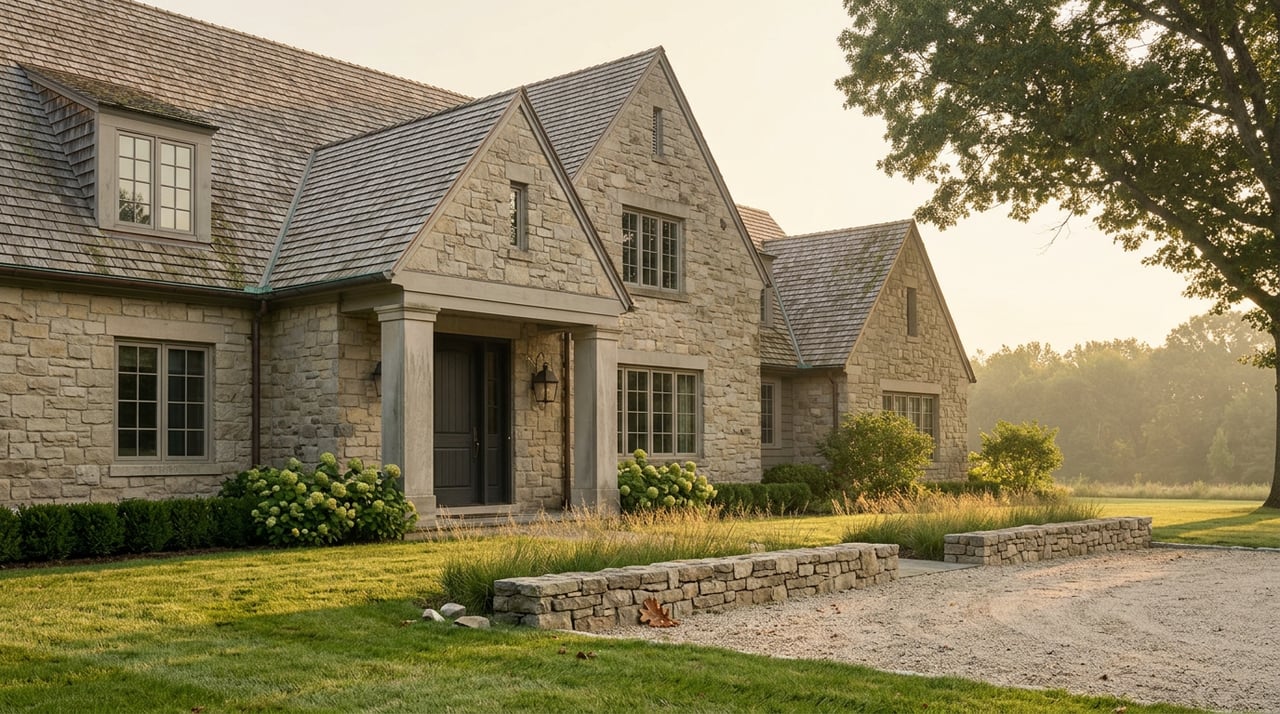
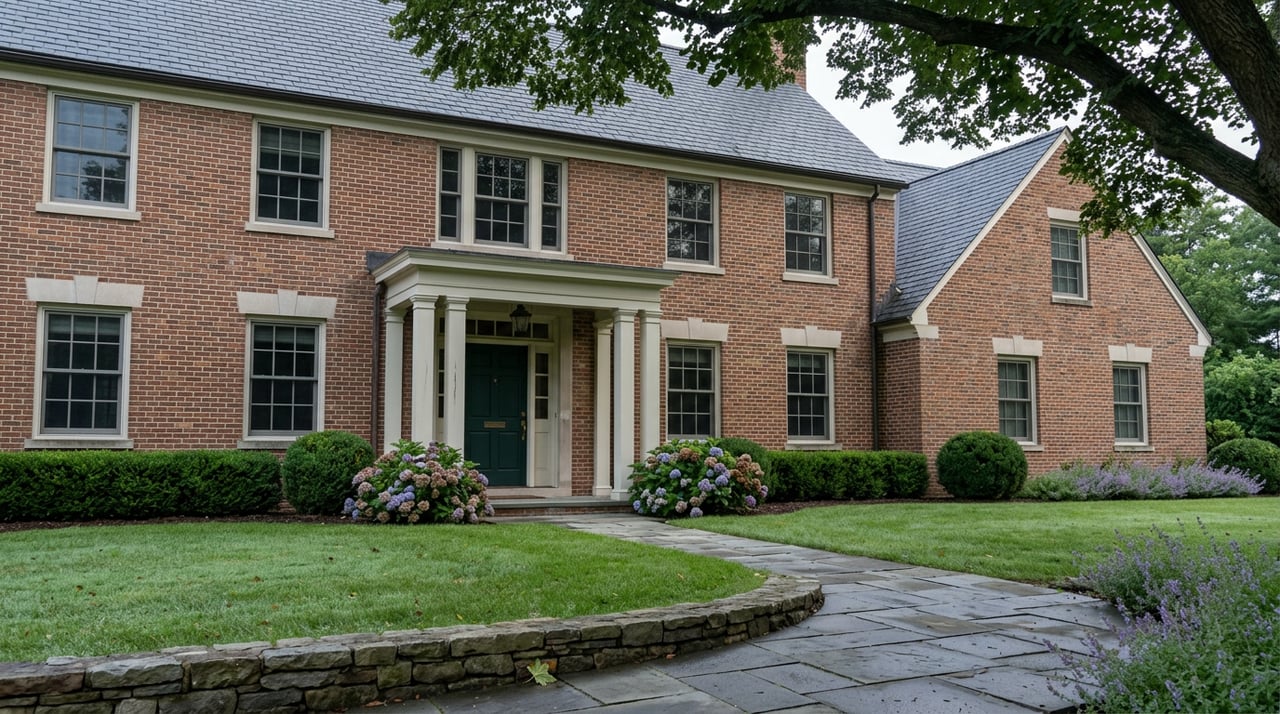
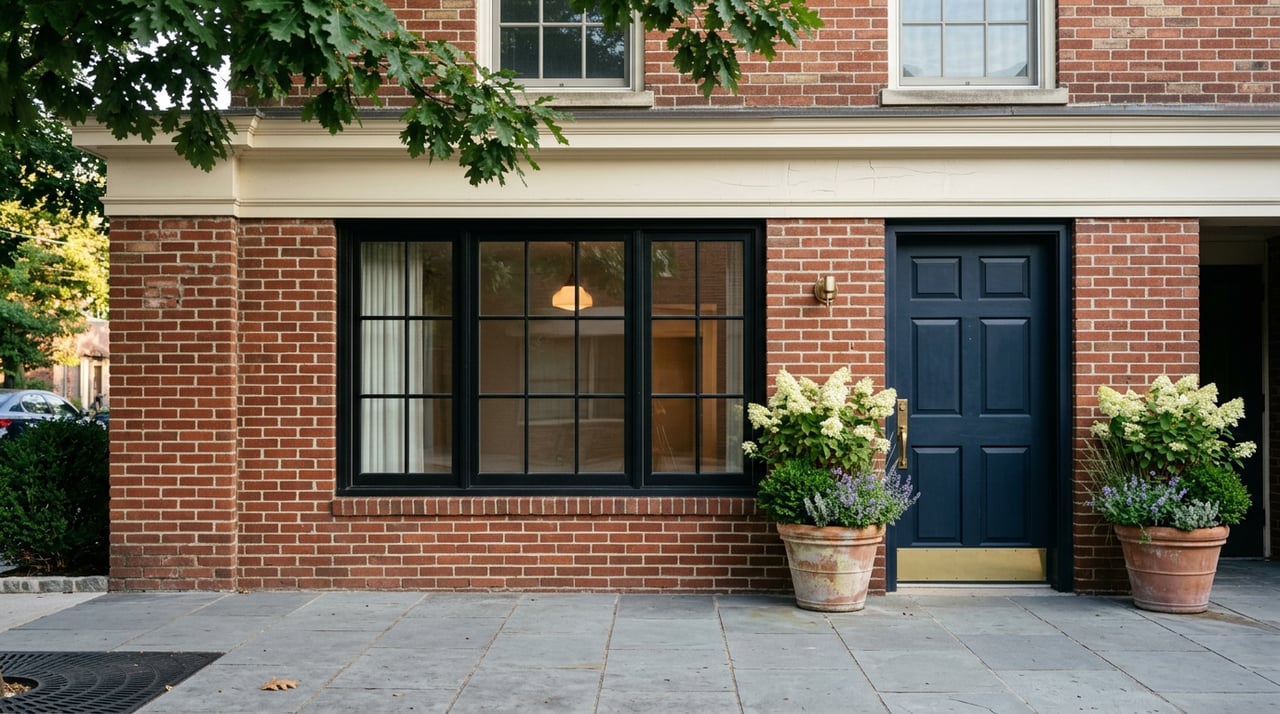
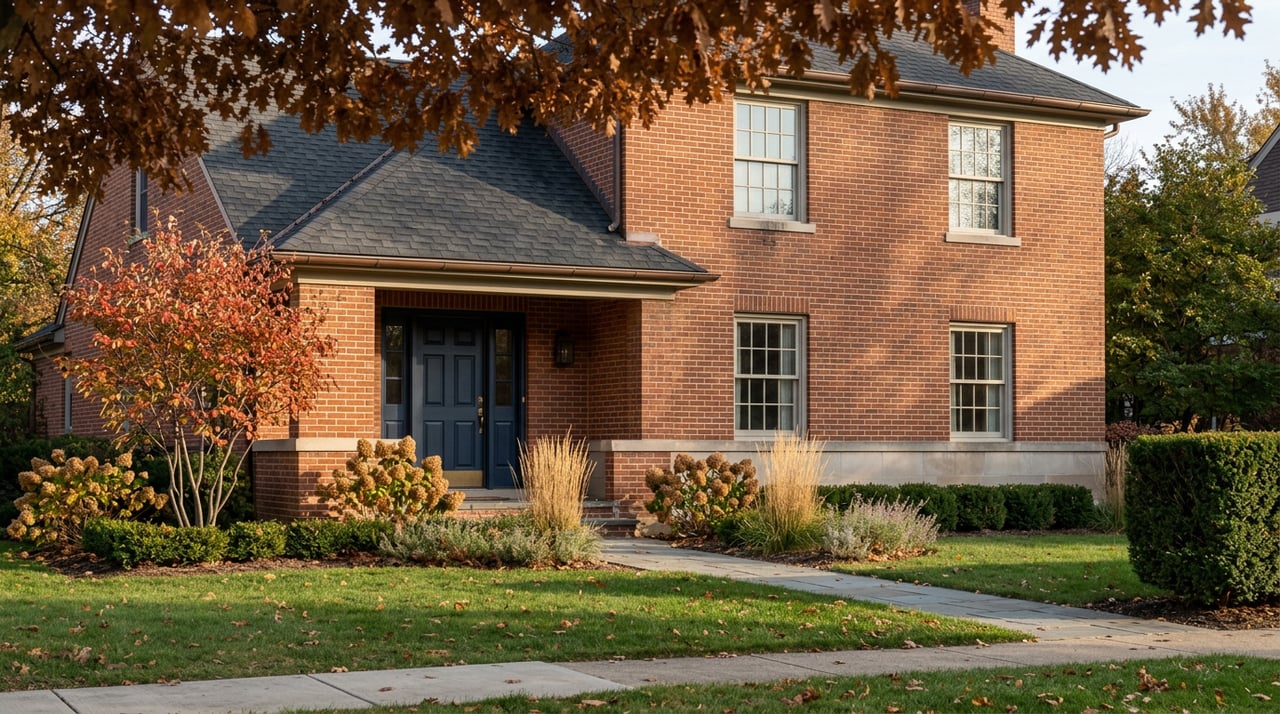
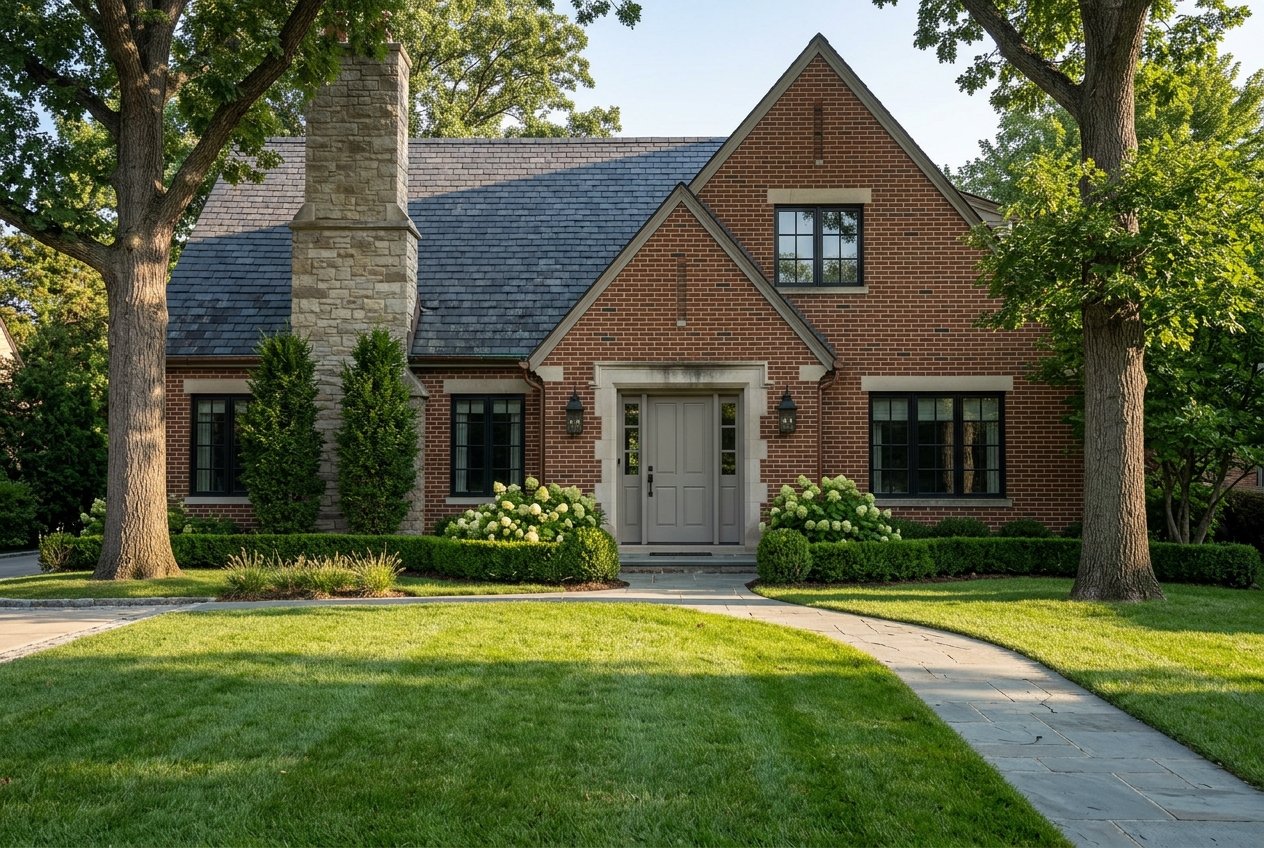
There is no single dominant architectural style in Polo Club. Recent public listings have described homes here as a timeless Tudor, a Cape Cod, a semi-contemporary custom home, and a modern brick estate. That variety is consistent with a neighborhood that has changed and refreshed over time.
This architectural mix gives the enclave visual depth. As you move through the area, you are likely to see different rooflines, materials, and design influences rather than one repeated formula. For design-minded buyers, that can make Polo Club especially appealing.
At the same time, the neighborhood still feels cohesive because of its scale, landscaping, and overall estate character. Even with varied architecture, the setting helps tie everything together in a way that feels intentional and established.
Large Lots Shape the Neighborhood Feel
Lot size is one of Polo Club’s defining physical features. Public-record examples visible online include parcels of about 0.44 acres, 0.5 acres, 1.06 acres, 1.13 acres, and 1.29 acres. In central Denver, that is unusually generous land.
Those lot dimensions do more than increase square footage outside. They influence setbacks, landscaping, approach, and the visual rhythm of the neighborhood. The result is a lower-density environment that reads as estate-like even before you factor in walls, fencing, and mature planting.
For many buyers, this is the real luxury proposition of Polo Club. You are still in a highly connected part of Denver, yet the spacing between homes and the scale of the sites can feel notably calmer and more private than in many other in-town locations.
Privacy Is a Core Feature
Privacy is not just a perception in Polo Club. It is built into the neighborhood’s physical form and management structure. The city’s 2025 variance decision noted private drives, a mix of 6-foot wooden fences, and 9-foot brick walls along South University Boulevard, along with similar brick-wall treatments at several properties.
Those perimeter elements contribute to a more protected feeling from the street. Combined with larger lots and controlled internal circulation, they create a setting where homes tend to feel buffered from surrounding traffic and activity. That is a meaningful advantage for buyers who prioritize discretion.
The HOA framework also reinforces this focus. The Polo Club Place HOA site includes governing documents, ACC forms, roofing standards, and financial information, and 2024 budget items include design review fees. That points to active architectural oversight and ongoing management of the neighborhood environment.
Security and Daily Management
For many buyers, privacy and security go hand in hand. The Polo Club Place HOA says security officers are on site almost 24/7. It also notes that homeowners can request out-of-town checks twice a day, during which security walks the property, checks doors and windows, and collects newspapers or packages.
That level of service helps explain why the enclave appeals to owners who travel often or prefer added day-to-day oversight. The HOA’s 2024 financials also show meaningful spending on security, gate maintenance and operation, and common-area upkeep. Taken together, those details support the impression of a closely managed neighborhood.
This is one reason Polo Club often stands apart in conversations about in-town luxury. It is not just about beautiful homes. It is also about how the neighborhood is operated and how that operation supports a more private residential experience.
Lifestyle Near Cherry Creek
Although Polo Club feels secluded, its location connects you quickly to one of Denver’s best-known commercial districts. Cherry Creek North’s official BID says the district spans 16 blocks, sits three miles from downtown Denver, and includes more than 600 businesses and more than 50 restaurants and bars. The district also maintains a 24/7 safety and security presence.
That proximity shapes daily life in a very practical way. You can enjoy a more tucked-away home setting while staying close to dining, shopping, and service options in Cherry Creek North. For many buyers, that balance is a big part of Polo Club’s appeal.
The neighborhood also benefits from access to the Cherry Creek Trail. Denver’s Go Speer Leetsdale study describes the trail as a 40-mile multiuse corridor and one of the city’s most popular bicycle and pedestrian facilities. The Polo Club Condominiums site adds that the building sits where the trail crosses the neighborhood and is an easy walk to Cherry Creek North, Bonnie Brae, and Glendale.
Why Buyers Compare Polo Club Carefully
If you are considering Polo Club, it helps to be specific about what you want from the neighborhood. Some buyers are drawn to the estate enclave for its private drives, large lots, and stronger privacy controls. Others prefer the condo tower for its shared amenities and easier walkability.
That is why broad neighborhood labels can be misleading here. Two properties with the same area name may offer very different ownership experiences, maintenance expectations, and day-to-day rhythms. Clarity early in the process can save time and sharpen your search.
For discerning buyers and sellers, this is where micro-market knowledge matters most. Understanding the difference between the enclave and the high-rise, the role of lot size, and the effect of private infrastructure can change how you value a property and how you position it in the market.
If you are exploring Polo Club or preparing to sell in Belcaro, a nuanced view of the neighborhood makes a real difference. The Wolfe Bouc Team brings the kind of discreet, hyper-local insight that helps you navigate Denver’s most distinctive in-town addresses with confidence.
FAQs
What is Polo Club in Denver 80209?
- Polo Club is an enclave within Belcaro in southeast Denver, bounded by South University Boulevard, South Steele Street, East Exposition Avenue, and East Alameda Avenue, with internal private drives rather than public streets.
Are all Polo Club properties in Denver the same type of home?
- No. The Polo Club name covers both a private-drive estate enclave with larger lots and a separate condominium tower at 3131 E Alameda Ave, and each offers a different living experience.
What architectural styles are found in Denver’s Polo Club?
- Public listings have described Polo Club homes as Tudor, Cape Cod, semi-contemporary, and modern brick estates, reflecting a neighborhood that developed and redeveloped over several decades.
How large are lots in the Polo Club enclave?
- Public-record examples currently visible online include lots of about 0.44 acres, 0.5 acres, 1.06 acres, 1.13 acres, and 1.29 acres, which is unusually large for central Denver.
What makes Polo Club feel private compared with other Denver neighborhoods?
- Its private drives, large lots, perimeter fencing and brick walls, and active HOA management all contribute to a more secluded, estate-like setting.
What is the lifestyle connection between Polo Club and Cherry Creek North?
- Polo Club offers quick access to Cherry Creek North, a 16-block district with more than 600 businesses and more than 50 restaurants and bars, while still providing a quieter residential setting.
Is the Cherry Creek Trail near Polo Club in Denver?
- Yes. The Cherry Creek Trail runs through the broader area, and city materials describe it as a 40-mile multiuse corridor used heavily by cyclists and pedestrians.