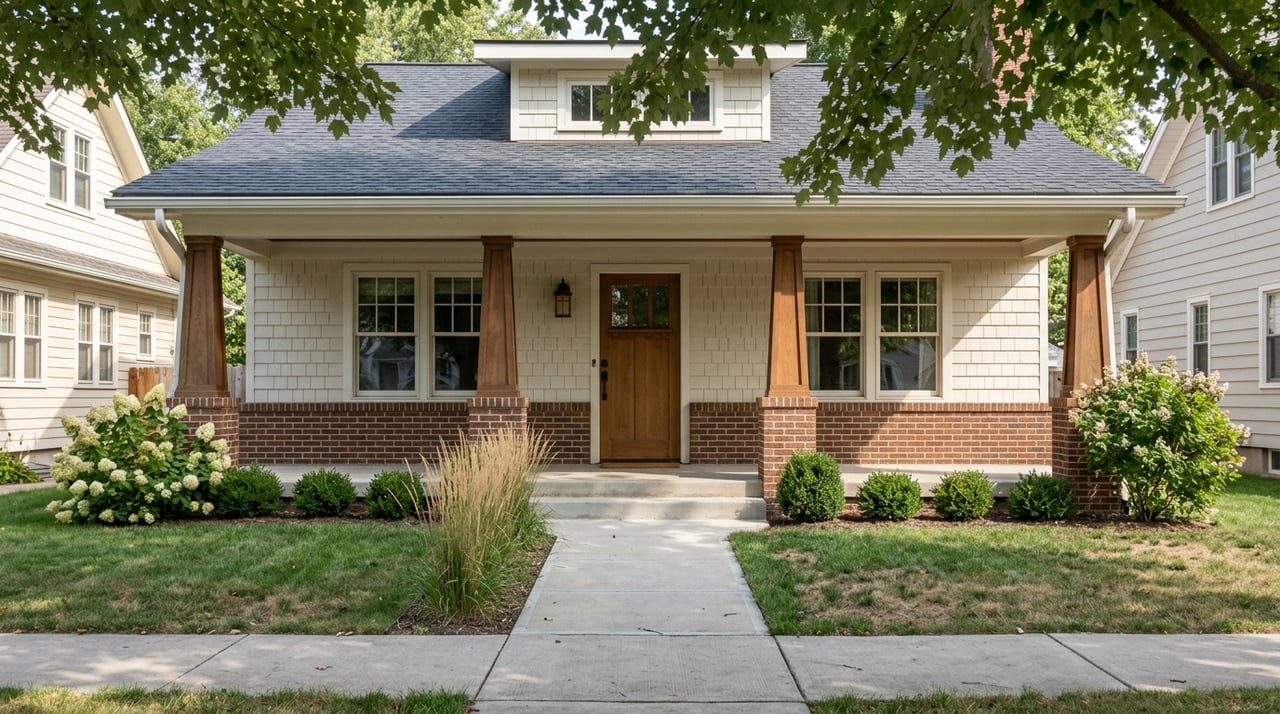
Wondering whether a Platt Park bungalow is charming in all the right ways or simply too much of a compromise? That is a smart question to ask before you fall for a front porch, mature trees, and a great block near South Pearl Street. If you are considering this part of Denver, understanding how these homes live day to day can help you decide with more clarity and confidence. Let’s take a closer look.
Why Platt Park Feels Distinct
Platt Park is more than a collection of older homes. It is a city-recognized neighborhood organization area serving nearly 4,000 residences and businesses within the Broadway, Downing, I-25, and Evans boundaries. That gives the area a clear identity and a long-established neighborhood framework.
South Pearl Street is widely seen as the neighborhood’s hub, with farmers markets, street fairs, restaurants, and shops shaping the daily rhythm of the area. The neighborhood’s roots go back to a major growth period in the 1890s, when a trolley line ran up Pearl Street. Today, that early main-street pattern still influences how Platt Park feels and functions.
For buyers, that context matters. A bungalow here is not just a floor plan choice. It is also a lifestyle choice tied to a neighborhood with historic character and ongoing reinvestment.
What a Platt Park Bungalow Usually Offers
A classic bungalow is typically a one- or one-and-a-half-story home with a low-pitched roof, broad porch, and compact shape. In Colorado, this style was especially popular from about 1900 to 1930. In Denver, bungalow and Craftsman homes became part of the city’s early-20th-century residential growth.
In Platt Park, older homes are part of the neighborhood’s visual identity, not a rare exception. Local coverage describes the housing mix as eclectic, including bungalows, foursquares, and Tudors, along with newer minimalist remodels. That mix helps explain why many buyers are drawn here in the first place.
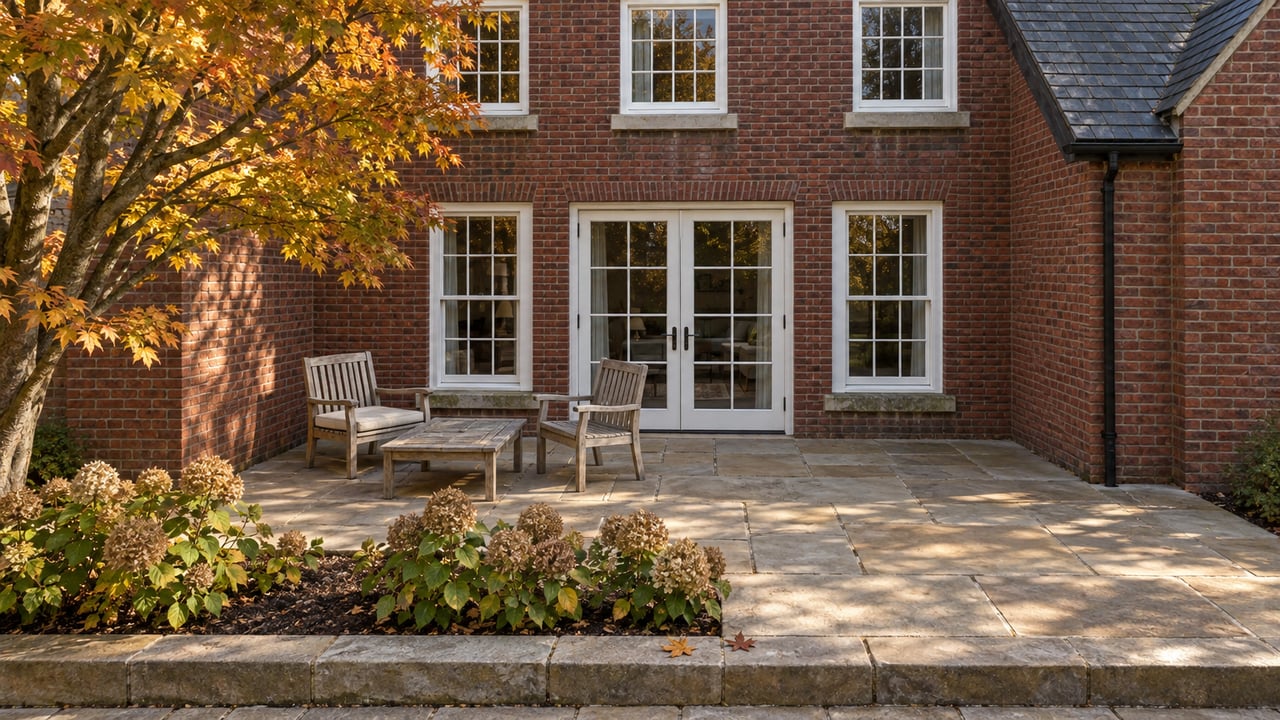
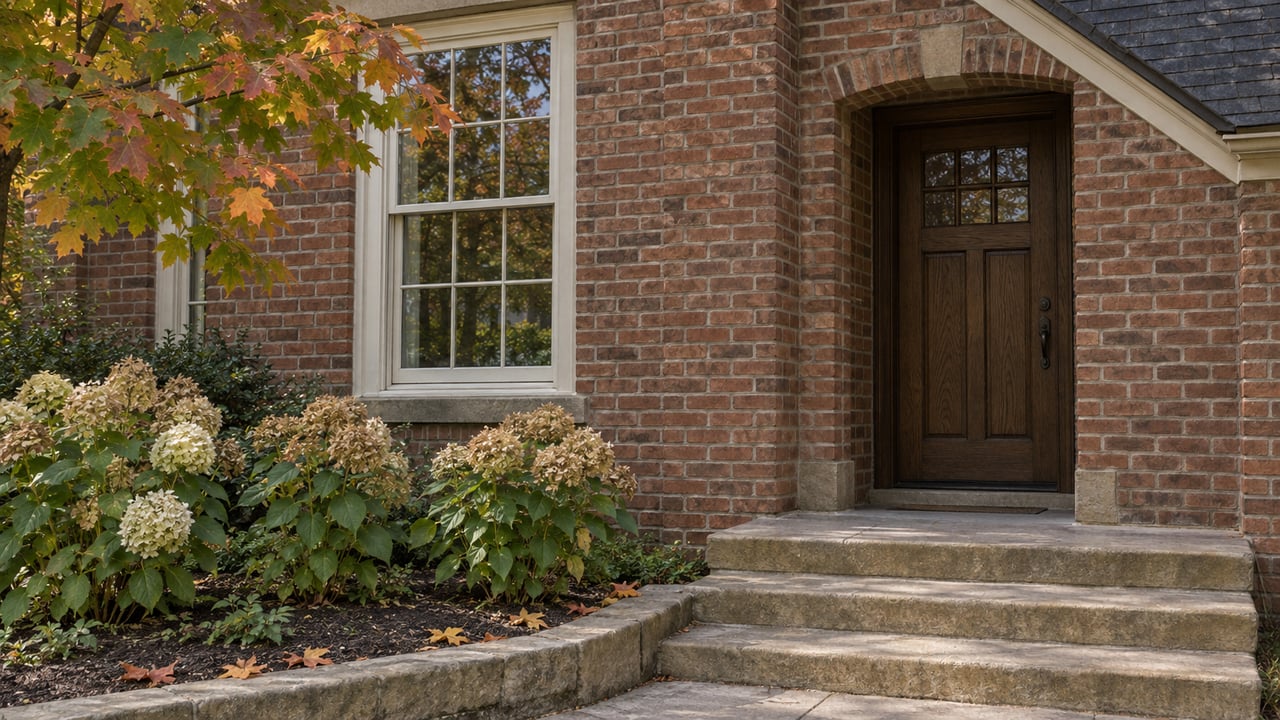
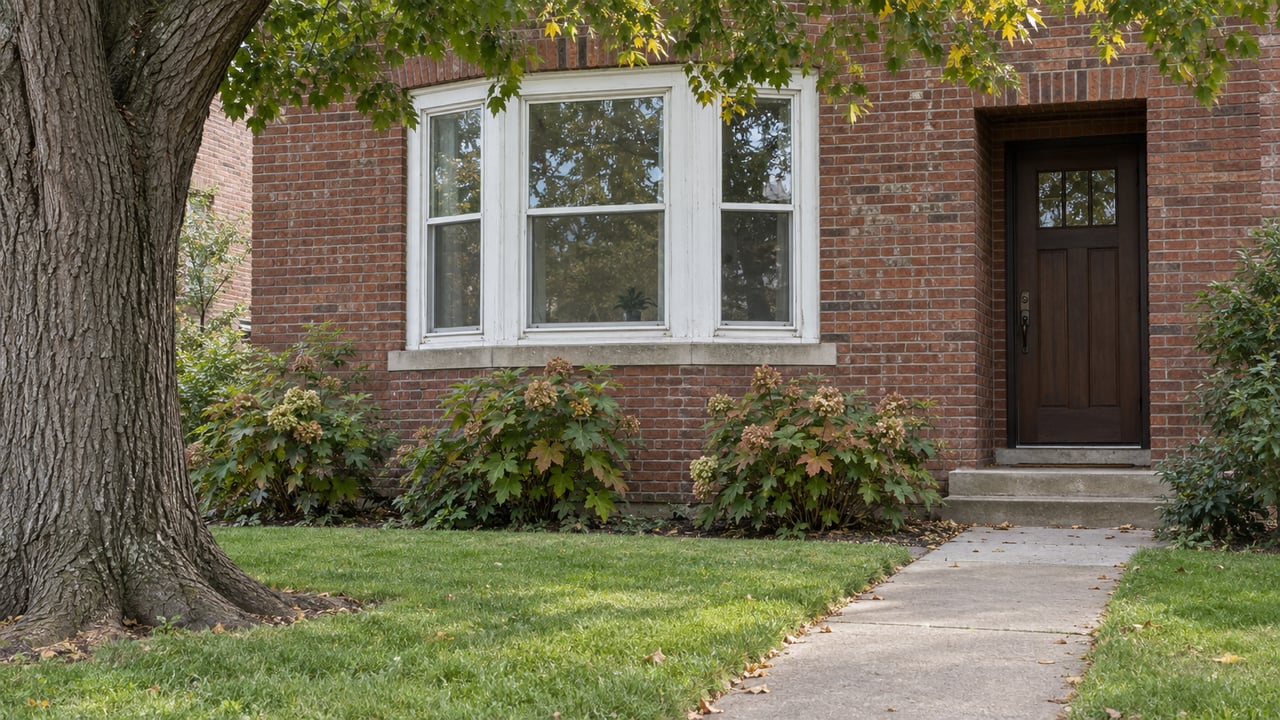
If you appreciate architectural character, a Platt Park bungalow may feel deeply appealing from the moment you arrive. Front porches, modest scale, and original detailing can create a sense of warmth that many newer homes do not try to replicate.
The Lifestyle Question to Ask First
Before you focus on finishes, ask yourself how you want your home to live. A bungalow often works best for buyers who value location, neighborhood texture, and charm more than sheer square footage. That is often the central tradeoff.
If your ideal day includes walking to South Pearl Street, enjoying a more established streetscape, and living in a house with a story, a bungalow can be a strong fit. If you need a very large open layout, a true single-level primary suite, or minimal renovation uncertainty, the fit may be weaker.
This is why the right question is not whether a bungalow is good or bad. The better question is whether its scale, layout, and future potential line up with how you actually want to live.
Space Realities in Platt Park
One of the biggest practical considerations is size. Many older homes in Platt Park feel compact by modern standards, and Denver’s zoning framework helps explain why. Residential lot standards can vary, with minimum lot sizes including 3,000, 4,500, 5,500, 6,000, and 9,000 square feet depending on the zone district, along with different lot widths.
That matters because lot width and lot size often shape what is possible later. If you are already thinking about an addition, garage changes, or a more ambitious renovation, the lot is part of the decision, not just the house itself.
Inside, an original bungalow often means smaller rooms, a tighter footprint, and less separation between public and private space. A basement may add useful square footage, but it may or may not be fully finished. For some buyers, that compactness feels efficient and comfortable. For others, it feels limiting.
Parking Can Be Different Than You Expect
Parking is another area where expectations matter. Denver’s zoning code says a single-unit dwelling has no required minimum off-street parking spaces. In other words, the city may not require parking for the home, but your lifestyle still might.
That makes the real questions more practical. Does the property have alley access? Is there a garage? Is the existing setup convenient for how you use your car, bikes, or storage needs? Those details can affect your day-to-day experience as much as the house itself.
If you are moving from a more suburban setting, this is one area where Platt Park can feel different right away. It is wise to evaluate the parking plan early rather than treat it as a minor detail.
Platt Park Is Evolving
Platt Park is not frozen in time. Local reporting notes continued remodels, new condominiums and apartments, and bungalow replacements with more modern homes. That means the neighborhood is balancing preservation and change at the same time.
For some buyers, that evolution is part of the appeal. You may like the idea of living in a neighborhood that honors its older housing stock while continuing to reinvest. For others, the question is more personal: do you want to join that transition, or do you prefer a home that already aligns with a more traditional version of the neighborhood?
There is no single right answer. But understanding that Platt Park includes both preserved character and reinvestment pressure can help you choose more intentionally.
Three Common Paths for Buyers
Original Bungalow
This is often the best fit if you value character, neighborhood feel, and a manageable footprint. You are choosing the historic house experience more directly, which usually means accepting some spatial quirks in exchange for architectural personality and location.
This path often appeals to buyers who do not need every room to feel oversized. If charm, block appeal, and a long-term stewardship mindset matter to you, an original bungalow can be a very satisfying choice.
Pop-Top or Addition
A second-story addition can be the middle ground for buyers who love the address and lot but need more room. Denver’s permit guidance treats an increase in floor area, number of stories, or height as an addition, so this path is procedurally possible.
That said, feasibility depends on zoning, setbacks, structure, and, where applicable, landmark review. If you are considering this route, it is important to evaluate the house not just for what it is today, but for what it can realistically become.
Modern Infill or Rebuild
For buyers who want the location but prefer newer systems and a more contemporary layout, a modern infill home may be the strongest fit. This route usually offers the most efficient floor plan and the easiest path to larger-scale living.
It is also the least period-authentic option. If historic character is your top priority, a rebuild may not deliver what drew you to Platt Park in the first place.
How to Decide If the Fit Is Right
A Platt Park bungalow is usually the right fit when you are comfortable trading some square footage for neighborhood character, walkable daily amenities, and a house with long-term improvement potential. It can be especially compelling if you see value in architectural charm and do not expect every space to feel new or expansive.
It may be a less natural fit if your needs are immediate and space-driven. Buyers who want large entertaining areas, a fully modern layout from day one, or very low renovation risk may be better served by a different housing type.
The goal is not to force a historic home to meet suburban expectations. The goal is to decide whether this style of home supports your priorities better than the alternatives.
What to Verify Before You Buy
Before you commit to a Platt Park bungalow, it helps to review a few practical items early:
- Confirm the property’s zone district
- Verify lot dimensions and lot width
- Review current parking and alley access
- Explore whether an addition is feasible under current rules
- Check whether Landmark Preservation review applies
- If you are thinking about an accessory structure, confirm zoning and permit requirements
These are not small details. In a neighborhood where lot size, width, and historic context can shape future options, early diligence can save time and prevent surprises.
If you are weighing several homes, this framework can also help you compare them more clearly. Two bungalows may look similar from the curb, yet offer very different long-term flexibility.
Platt Park remains one of Denver’s most distinctive in-town neighborhoods because it offers both history and motion. For the right buyer, a bungalow here can deliver a rare mix of architectural character, location, and lifestyle. If you want help evaluating whether a specific Platt Park property aligns with your goals, the Wolfe Bouc Team can help you assess the opportunity with care and local insight.
FAQs
Is a Platt Park bungalow usually smaller than a newer home?
- Yes. Many bungalows in Platt Park have a more compact footprint, smaller rooms, and layouts that reflect early-20th-century design rather than newer open-plan living.
Can you add a second story to a bungalow in Platt Park?
- Possibly. Denver treats a second story or height increase as an addition, but feasibility depends on zoning, setbacks, structure, and any applicable Landmark Preservation review.
Do Platt Park bungalows need off-street parking?
- Not necessarily. Denver’s zoning code says a single-unit dwelling has no required minimum off-street parking spaces, so buyers should evaluate the actual garage, alley, and lot setup based on their own needs.
Is Platt Park changing, or does it feel mostly preserved?
- Both. The neighborhood still has a strong historic identity, but it is also seeing remodels, new condos and apartments, and some bungalow replacements with more modern homes.
Who is a Platt Park bungalow best suited for?
- It is often a strong fit for buyers who value neighborhood character, South Pearl Street access, and the opportunity to improve a historic home over time rather than prioritize maximum square footage right away.