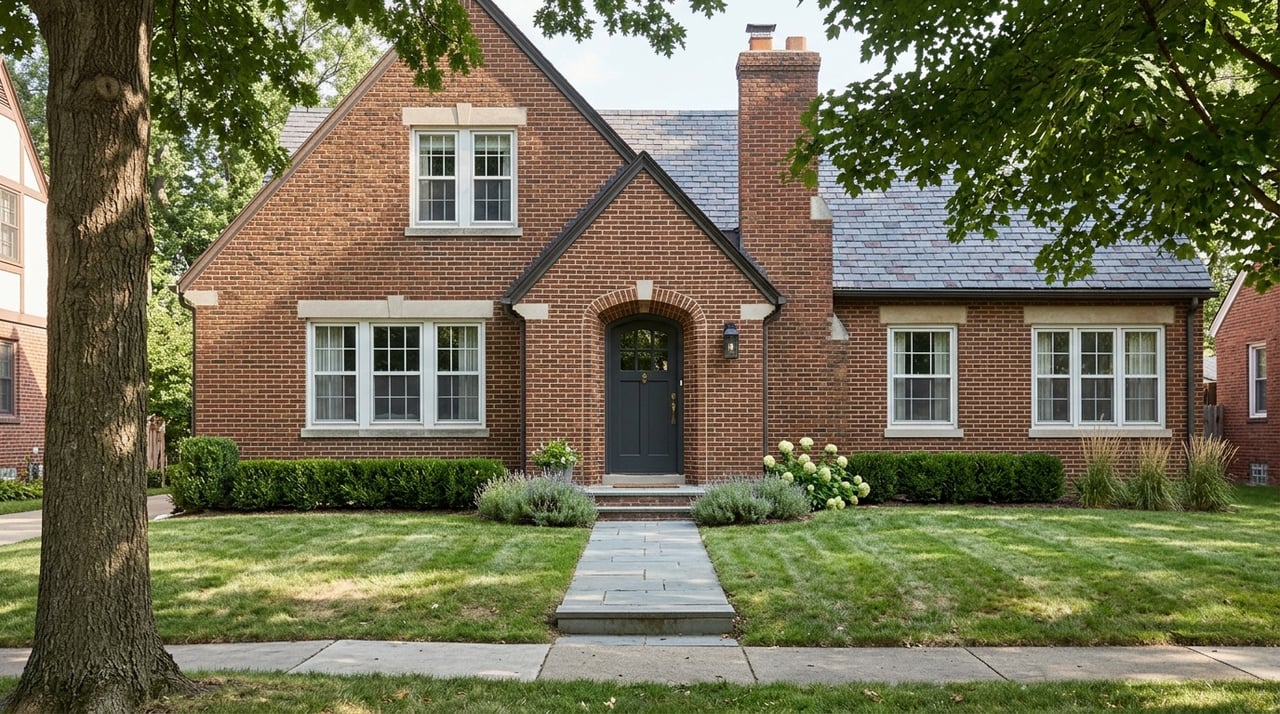
Are you drawn to the charm of an older Denver home, but unsure what comes with buying one in Congress Park or the 7th Avenue Historic District? You are not alone. These neighborhoods offer some of the city’s most enduring architecture, but they also ask buyers to look beyond finishes and square footage. If you understand the homes, the rules, and the review process before you buy, you can move forward with much more confidence. Let’s dive in.
Why these neighborhoods stand out
Congress Park and East Seventh Avenue share a love of architectural character, but they are not the same experience for a buyer. Congress Park has a large concentration of early- to mid-20th-century homes, with many built between 1905 and 1929. East Seventh Avenue is a designated Denver landmark district with a historic fabric that extends through 1943, including the Steele Street extension added in 2021.
That distinction matters. In Congress Park, you may be buying into a neighborhood where preservation-minded planning shapes expectations, even outside a formal landmark district. In East Seventh Avenue, you may be buying a home within an official historic district where exterior changes can trigger a formal city review process.
What homes you will likely find
Congress Park architecture
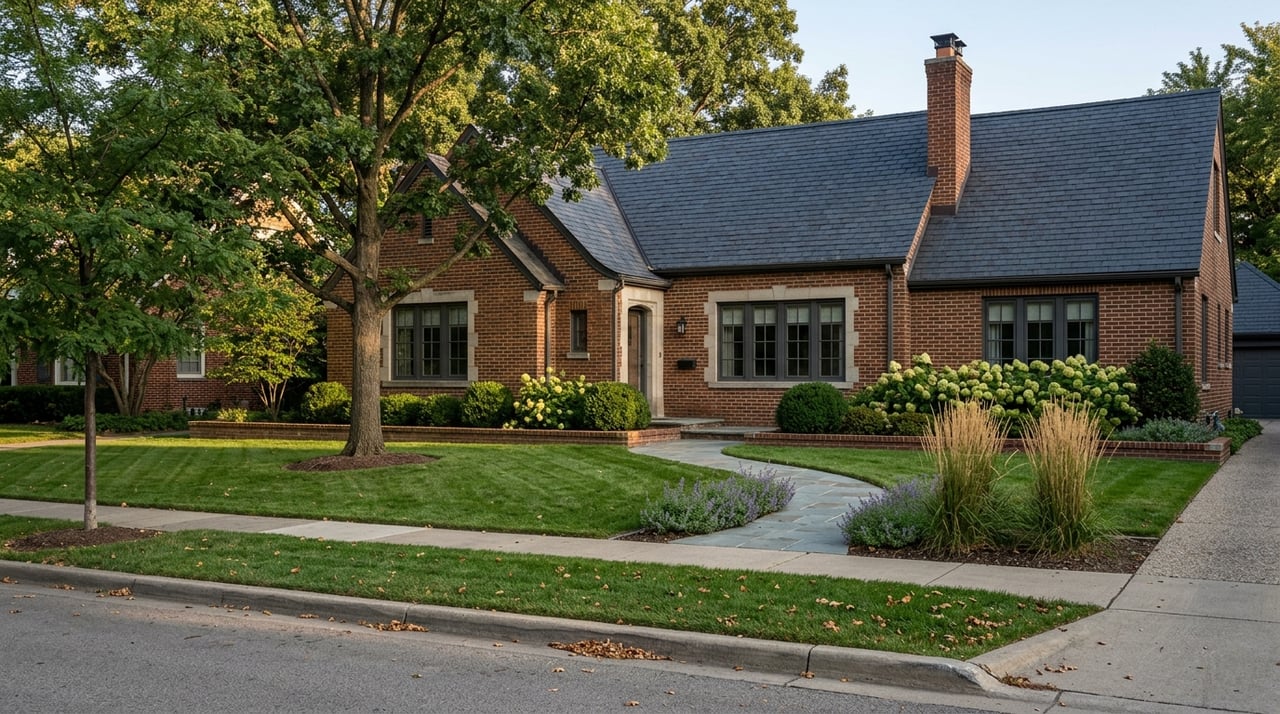
In Congress Park, buyers will often see Foursquare homes, Craftsman houses, bungalows, and duplexes. The neighborhood survey also notes Dutch Colonial Revival, Tudor Revival, and Mediterranean Revival examples, though the bungalow stock is especially significant. Nearly 1,000 bungalows were built in the area between 1906 and 1929.
One of the defining traits of Congress Park is that its charm often comes from the street as a whole. Many blocks were developed as rows of homes with similar size and form, but with small stylistic differences. That means the value of a property is often tied not only to the house itself, but also to how it fits within the broader streetscape.
East Seventh Avenue architecture
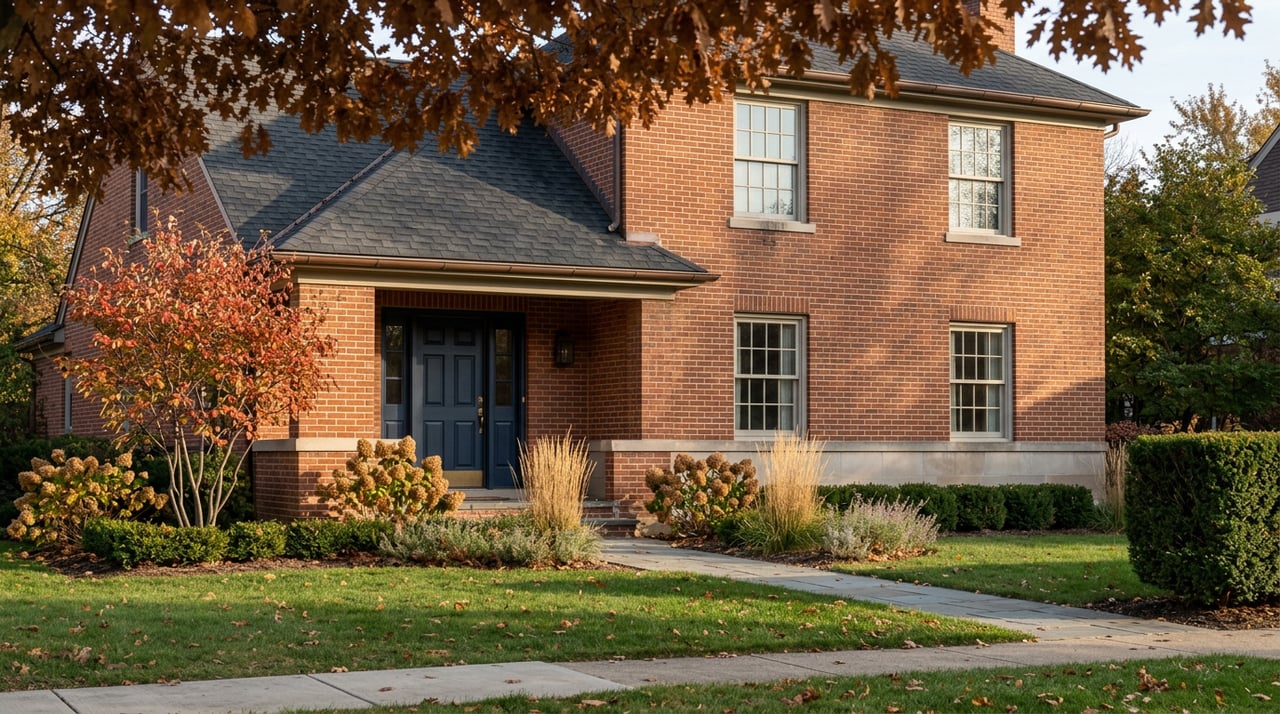
East Seventh Avenue tends to feel more formal and more revival-oriented. The district includes Denver Square, Colonial Revival, Mediterranean Revival, Gothic Revival, and other 20th-century eclectic revival styles. Because the district’s period of significance extends into the early 1940s, some houses may appear newer than nearby bungalow-era homes and still be part of the district’s historic character.
If a home fronts the 7th Avenue Parkway, the setting becomes part of the story. The open setbacks, tree lawns, walks, curbs, and vegetation along the parkway are considered character-defining features. In practical terms, the relationship between the house and the street may be just as important as the architecture itself.
What historic character really means
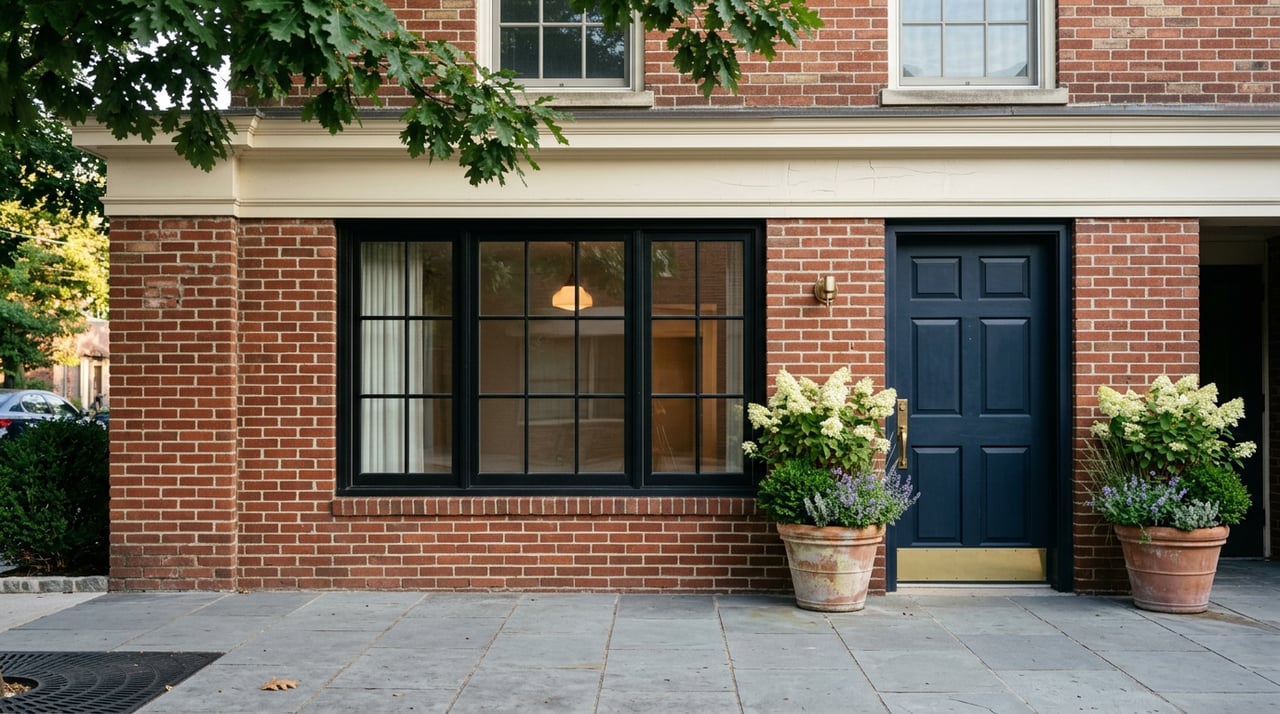
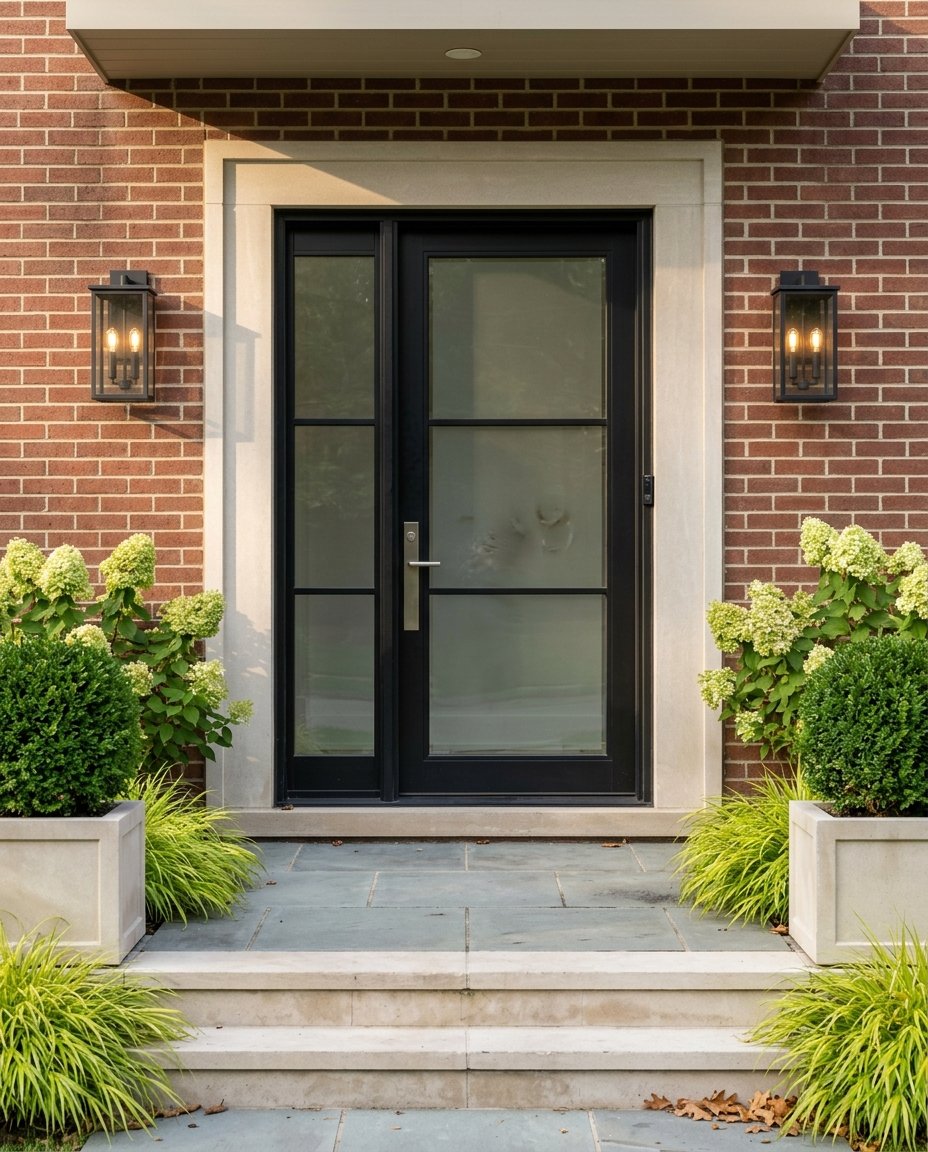
When you tour homes in these areas, it helps to know what the city and preservation guidelines tend to focus on. In most cases, the most important character-defining elements are exterior features you can see from the street. That includes roof shape, porch depth, window proportions, masonry or siding, and the home’s placement on the lot.
This is one reason historic-home buying requires a different mindset. A home may have been beautifully updated inside, but the bigger long-term questions often involve what you can change outside and how that work must be reviewed. For many buyers, the real due diligence begins after the showing.
How Denver review rules affect buyers
Landmark review in East Seventh Avenue
Denver Landmark Preservation reviews exterior changes that require a building or zoning permit when a property is individually designated or located within a historic district. That review uses Denver’s Design Standards and Guidelines for Landmark Structures and Districts and is governed by Chapter 30 of the Denver Revised Municipal Code.
For buyers in East Seventh Avenue, this can affect projects that seem routine. Roof work, siding work, garage construction, some window work, additions, accessory structures, and demolition can all require review before the work proceeds. Even quick permits involving exterior work generally require Landmark Preservation review for historic-district properties.
Parkway considerations
If a home fronts a designated parkway, there may be another layer to consider. Denver’s parkway guidelines emphasize preserving original features and maintaining the corridor’s open setback relationships. If a project encroaches into a parkway setback, Denver Parks & Recreation requires an exception request.
That can be especially relevant if you are thinking about a garage project, site changes, or exterior additions. A property can involve both historic-district review and parkway-related review, which is why timelines and costs should be treated with flexibility.
Why timelines can stretch
Historic-home projects are often sequential rather than simple. A project may need landmark review first, then building and zoning permits, along with any related approvals. If approved plans change during construction, Denver requires modified drawings and another review.
For a buyer, that means renovation budgeting should include time as well as money. Even a well-planned project can take longer when multiple approvals are involved.
Smart due diligence before you make an offer
Historic homes reward careful preparation. Before you write an offer, it is worth confirming exactly what you are buying from a regulatory standpoint, not just from a design standpoint.
Verify the property’s status
Ask whether the home is:
- Within the East Seventh Avenue Historic District
- Within the Steele Street extension
- Individually landmarked
- Classified as contributing or non-contributing in district records
- Fronting a designated parkway setback
These details can shape what work is possible and what review steps may apply later.
Request records early
Before closing, ask for documentation tied to prior exterior work. Useful items include:
- Prior Certificates of Appropriateness
- Building and zoning permits
- Renovation drawings
- Contractor records for exterior improvements
- Product information tied to approved work, when available
This helps you confirm whether past work appears to match approved plans. That matters because Denver requires projects to be built according to those approvals.
Build the right advisory team
For older homes in these neighborhoods, a strong buyer team often includes:
- A home inspector with older-home experience
- A contractor or architect familiar with historic-district review
- Additional guidance for landscape, site, or parking changes when parkway or forestry rules may apply
This becomes especially important if you already know you want to change the roof, porch, garage, siding, or overall footprint.
Older-home issues to raise early
Historic homes can offer craftsmanship and scale that are hard to replicate, but age brings its own questions. For many buyers, two of the most important are lead-based paint and asbestos.
Most pre-1978 housing is covered by federal lead disclosure rules, and buyers have the right to know about known lead-based paint hazards before purchase. The EPA also notes that asbestos can become a concern during maintenance, repair, remodeling, or demolition if it is disturbed.
That does not mean every older home is a problem property. It means you should raise these issues early with your inspector and bring in specialists if needed, especially if renovation is part of your plan.
Renovation questions worth asking
Not every buyer in Congress Park or East Seventh Avenue wants a major project. Still, if you think you may update the home over time, it is wise to pressure-test your plans before closing.
Consider asking:
- Has the seller completed any exterior work that required city review?
- Were windows, roofing, siding, or porches replaced with approval?
- Is there room for an addition without conflicting with historic or parkway expectations?
- Would a new garage or accessory structure likely trigger review?
- If the property fronts the parkway, how might setback rules affect future plans?
If you are considering an internal accessory unit or another density-related change, the East Central Area Plan may also be relevant. It describes Historic Preservation Incentive Areas where one additional dwelling unit may be allowed in exchange for preserving the existing residential building, with that added unit kept interior to the home.
Long-term value and ownership planning
Buying a historic home in these neighborhoods is often as much about stewardship as ownership. In Congress Park, the city’s planning framework supports context-sensitive additions and preservation-minded outcomes. In East Seventh Avenue, the district rules make that stewardship more formal.
That can be a positive for buyers who value architectural continuity and a strong neighborhood setting. Homes in these areas are often appreciated not just for individual design, but for the consistency and integrity of the block, the setback pattern, and the surrounding historic fabric.
You may also want to ask whether the property has separate State or National Register status. According to History Colorado, listed properties may be eligible for investment tax credits and State Historical Fund grants, which can matter for long-term planning even when local district rules remain the primary factor for exterior changes.
Buying with clarity
A historic home in Congress Park or the 7th Avenue Historic District can be deeply rewarding, but the right purchase starts with clear-eyed diligence. You want to understand not only the beauty of the house, but also the review process, prior approvals, and the practical path for any future work.
That is where local insight matters. If you are considering a character home in central Denver and want a thoughtful, discreet buying strategy, the Wolfe Bouc Team can help you evaluate the opportunity with care.
FAQs
What makes Congress Park homes historically distinctive?
- Congress Park contains a large concentration of homes built between 1905 and 1929, especially Foursquares, Craftsman homes, bungalows, and duplexes, with much of the character coming from the collective streetscape.
What does historic-district status mean for East Seventh Avenue buyers?
- If a home is in the East Seventh Avenue Historic District, exterior changes that require a building or zoning permit are generally subject to Denver Landmark Preservation review.
What exterior projects may need review in East Seventh Avenue?
- Common projects that may require review include roofing, siding, some window work, garages, additions, accessory structures, and demolition.
What should buyers verify before purchasing a historic home in Congress Park or 7th Avenue?
- You should verify whether the home is in a historic district, individually landmarked, contributing or non-contributing, and whether it fronts a designated parkway setback.
Why does the 7th Avenue Parkway matter when buying a home?
- For homes along the parkway, the open setback, tree lawn, walks, and street relationship are considered character-defining, and some projects may require additional review or an exception request.
What records should buyers request for a historic home in Denver?
- Ask for prior Certificates of Appropriateness, permits, renovation drawings, and contractor documentation related to exterior work.
Are lead paint and asbestos concerns common in older Denver homes?
- They are important issues to evaluate in many older homes, especially if the property predates 1978 or if future renovation may disturb older materials.
Can a buyer add another dwelling unit to a historic home in this area?
- In some cases, the East Central Area Plan describes incentive areas where one additional dwelling unit may be allowed if the existing residential building is preserved and the added unit remains interior to the home.