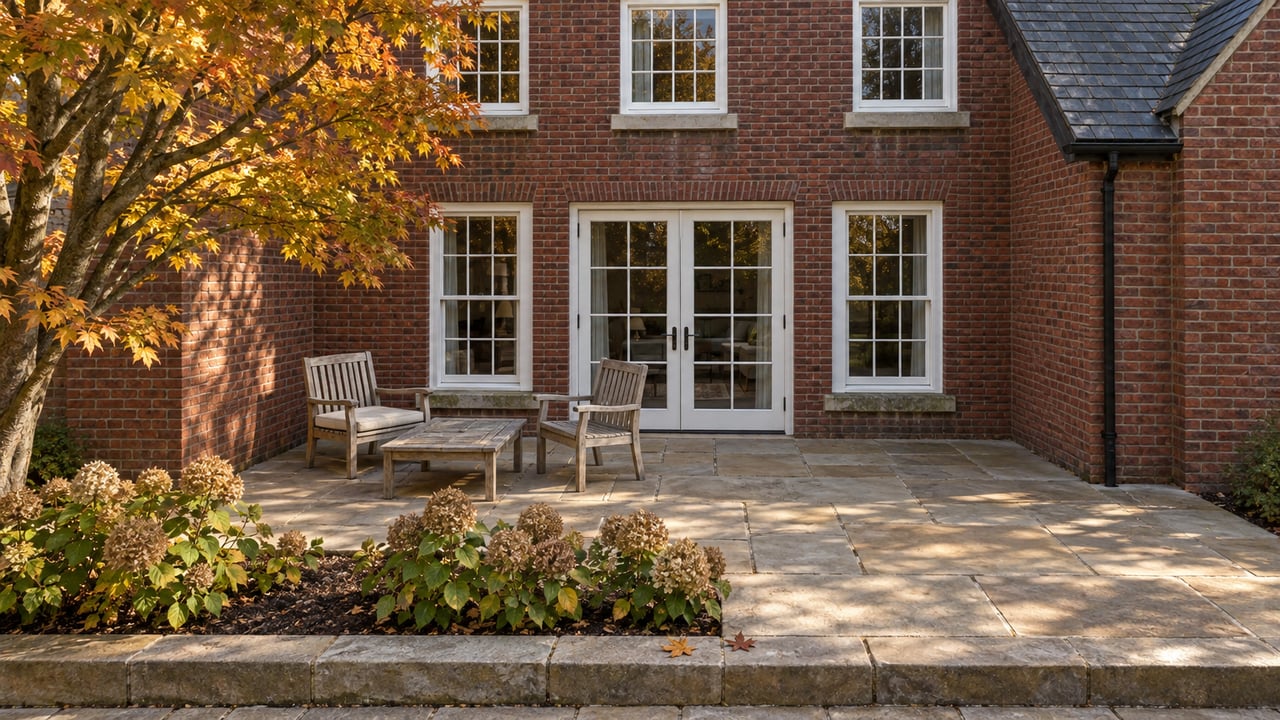
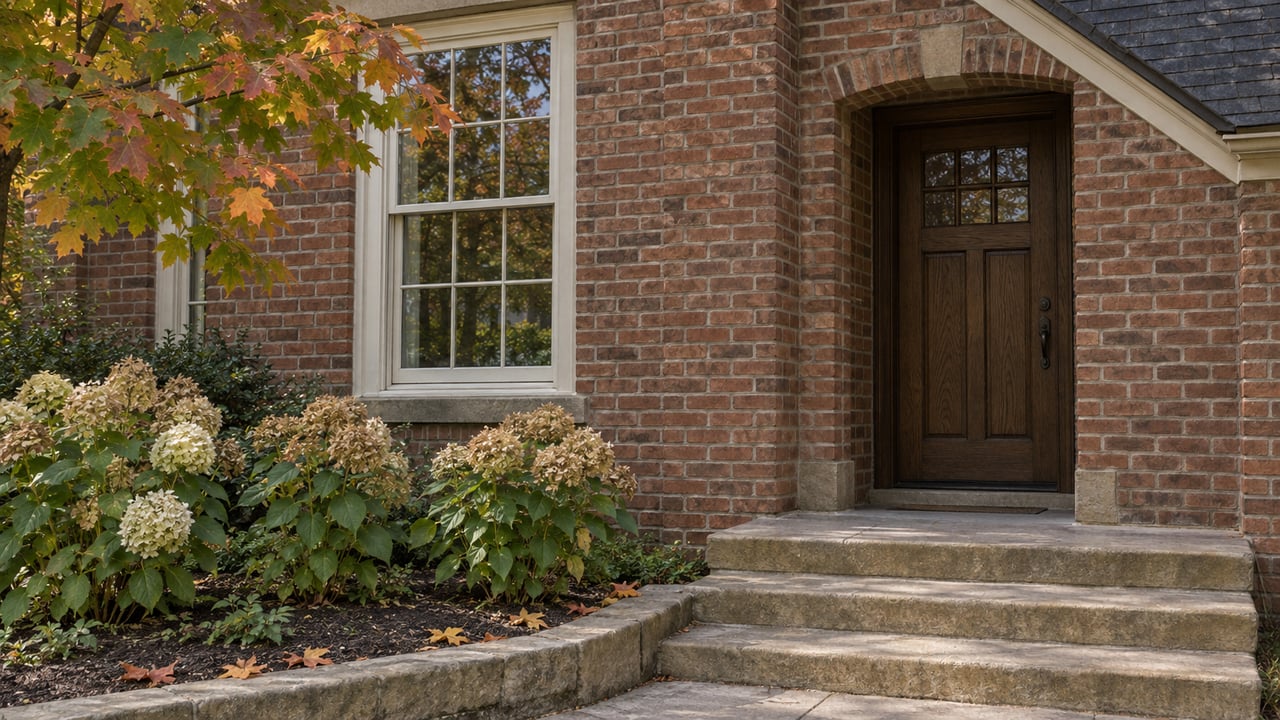
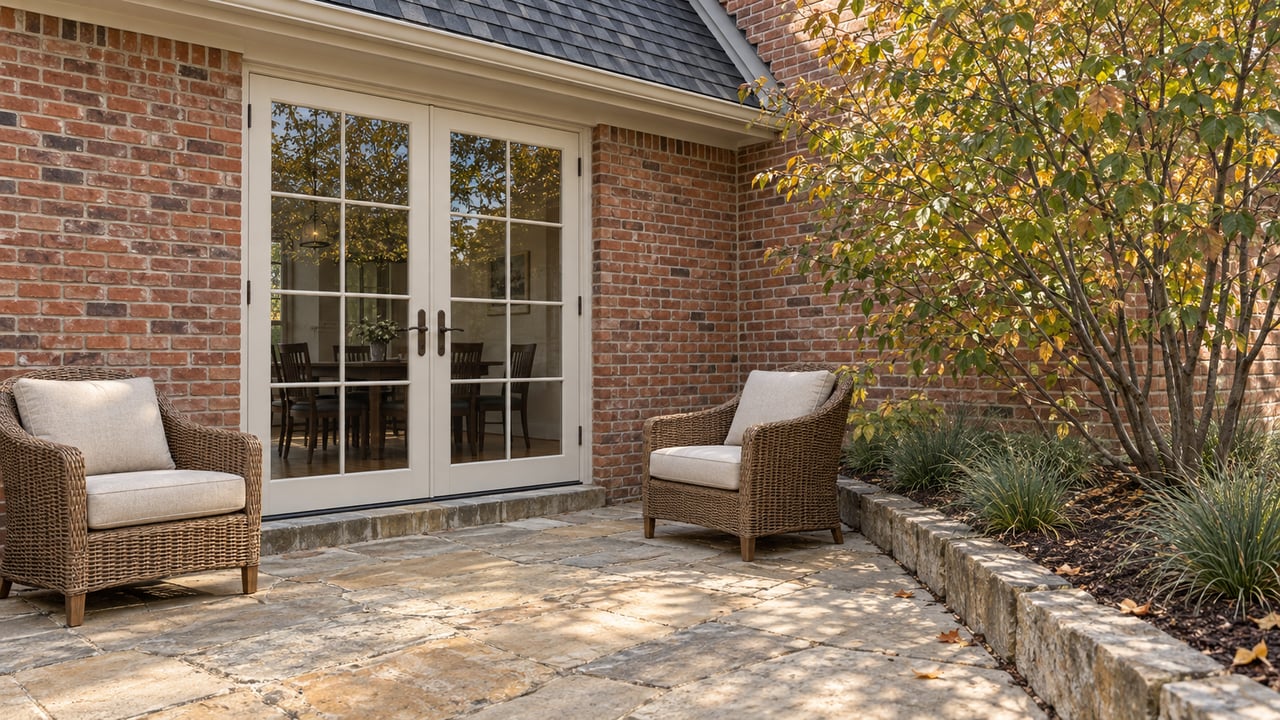
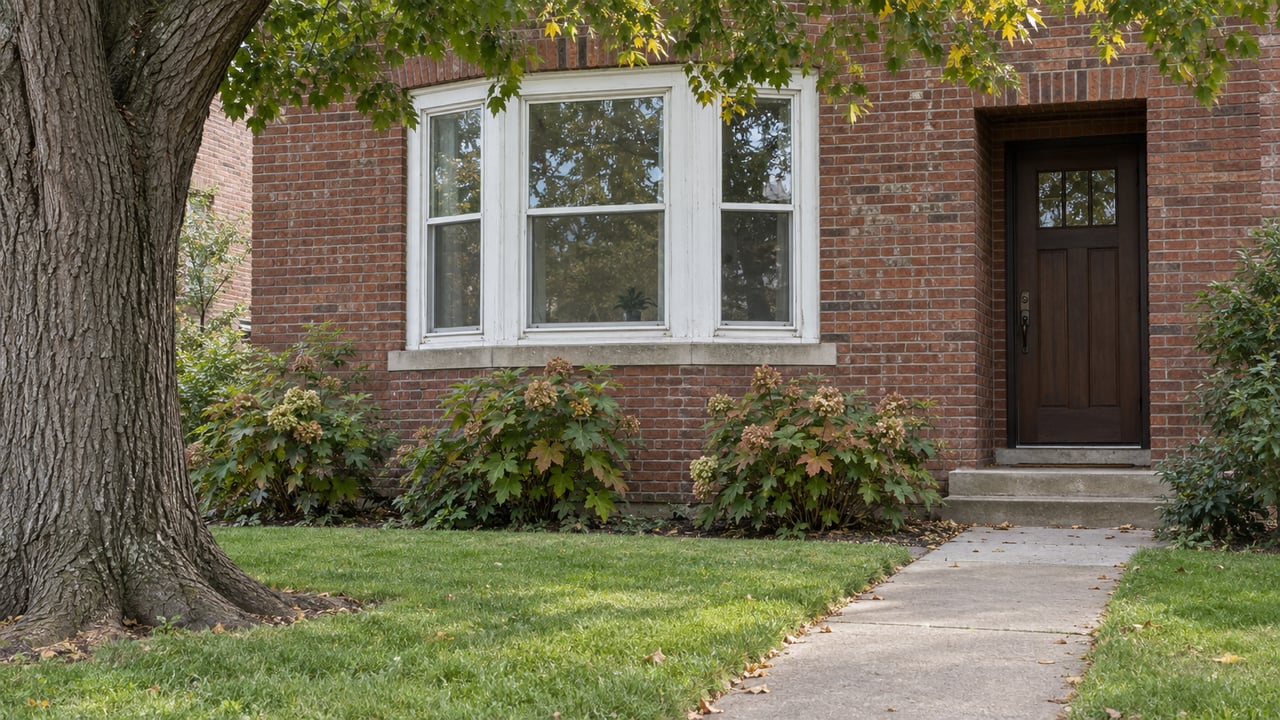
Torn between the character of a classic Denver bungalow and the convenience of a new custom build? In Observatory and University Parks, you can find both on the same block. Each path offers a distinct lifestyle, different maintenance needs, and unique approval considerations that will shape your long-term enjoyment and value. In this guide, you’ll learn how floorplans, mechanical systems, and local regulations influence day-to-day living and resale potential so you can move forward with confidence. Let’s dive in.
Neighborhood overview
Observatory and University Parks are mature, tree-lined neighborhoods near the University of Denver with a mix of early 20th-century homes and modern infill. You’ll see period bungalows, foursquares, and traditional forms beside thoughtful remodels and newer custom builds. Lot sizes and setbacks reflect older development, which impacts privacy, landscaping, and options for additions or detached structures.
Buyers here often fall in love with historic character. At the same time, there is strong demand for modern layouts and efficient systems that reduce upkeep. Understanding how each option fits your lifestyle and project plans is essential before you decide.
Lifestyle and floorplans
Historic home living
Historic homes often feature compartmentalized rooms with defined living, dining, and kitchen spaces. You may find original woodwork, built-ins, fireplaces, and charming porches that give the home a sense of place. Closets and bathrooms can be smaller or fewer than you might expect today. If you want open sight lines for entertaining or family life, you may need a remodel to create better flow.
New or custom build living
New builds typically offer open kitchens connected to living areas, larger primary suites with en-suite baths, and walk-in closets. Many include flexible bonus rooms, integrated tech wiring, and more storage. Some designs prioritize single-level living or main-level primary bedrooms for ease and accessibility.
Daily life implications
If you entertain often or want clear lines of sight for kids, a new build’s open plan supports that lifestyle right away. Historic homes can deliver similar function through renovations, but that can require structural changes. New builds usually make it easier to adapt rooms for future needs, while historic homes may need professional design work to reconfigure space.
Resale positioning
Both options can perform well at resale when done right. Buyers pay a premium for historic homes that preserve character while adding modern function. Thoughtful infill and custom builds that respect neighborhood scale also command strong interest. Your goal is to align design, systems, and scale with what local buyers value.
Mechanicals and maintenance
Heating and cooling
Historic homes may retain older furnaces, boilers, or less efficient distribution systems. New builds typically include high-efficiency furnaces, air conditioning, and sometimes heat pumps. Factor in the age and type of system you are buying, as replacement timelines vary.
Electrical and plumbing
Older homes can have 100-amp service or legacy wiring such as cloth-insulated conductors. New builds commonly offer 200-amp service that supports modern loads and EV charging. Plumbing in older properties may include galvanized steel or cast iron drain lines. Newer construction usually features copper, PEX, or PVC.
Insulation and envelope
Historic properties are often under-insulated with single-pane windows and some air leakage. New builds benefit from tighter building envelopes, efficient windows, and modern insulation that improve comfort and energy performance.
What to inspect in older homes
- Electrical capacity and safety, including any obsolete wiring.
- Heating system age and chimney condition if fireplaces are used.
- Roof, flashing, windows, and exterior finishes near end of life.
- Foundations and grading, given Denver soils and freeze-thaw cycles.
- Lead-based paint in pre-1978 homes and possible asbestos in older materials if you plan renovations.
- Radon testing, since levels can be elevated in Colorado regardless of a home’s age.
Advantages of new builds
- Lower near-term maintenance with modern systems often under warranty.
- Higher energy efficiency and improved comfort.
- Better electrical capacity for today’s technology and vehicles.
Inspections for any home
- Full home inspection and HVAC evaluation.
- Sewer scope to assess the lateral line.
- Electrical service inspection.
- Radon testing for all homes in the area.
- Lead and asbestos testing for pre-1978 construction before renovation.
- Structural or foundation review if concerns arise.
- Chimney inspection if fireplaces are present.
Approvals, zoning, and preservation
Zoning basics
Zoning dictates what you can build and how big it can be. It defines setbacks, allowable height, lot coverage or floor area, and whether an accessory dwelling unit is possible. Always confirm parcel-specific zoning with the City and County of Denver before you plan a project.
Historic designation
If a property is a designated landmark or inside a local historic district, exterior changes and demolitions require review by Denver Landmark Preservation staff or the commission. Expect added time and potential conditions for approvals. It is important to check status early so you can plan realistic timelines and budgets.
ADUs and expansions
Denver has updated ADU policies in many zones, but feasibility depends on your lot, zoning, and any historic constraints. Basement conversions or additions may also require structural and drainage planning. A local architect can help translate rules into a workable design.
Timelines to expect
Many projects need permit reviews that can take weeks or months depending on scope. Historic reviews and major variances add steps. Build in time for design iterations, documentation, and inspections.
How to verify
- Ask for permit history on any past remodels.
- Confirm zoning and any overlay districts with the City.
- Check landmark status before assuming exterior changes are allowed.
- Consult an architect or contractor early if you plan additions or new construction.
Resale, financing, and insurance
Resale dynamics
Historic charm remains a powerful draw in these neighborhoods, especially when paired with updated kitchens, baths, and systems. New builds appeal to buyers who want turnkey living and energy efficiency. Infill that fits neighborhood scale often outperforms designs that feel out of place.
Financing realities
Lenders and appraisers consider a home’s condition and relevant comparable sales. Significant deferred maintenance or non-code systems can affect loan eligibility or lead to appraisal adjustments. In some cases, repairs may need to be completed or escrowed to close.
Insurance considerations
Older roofs, obsolete wiring, or dated plumbing can increase premiums or trigger coverage limitations until updated. Many insurers require certain safety upgrades before issuing standard policies. Verify requirements early to avoid surprises.
Long-term value
Balance likely near-term capital needs against the value you gain from modernization. For new builds, evaluate design fit on the block, potential for future flexibility, and whether an ADU or other space could add utility within zoning. A well-executed plan that respects neighborhood context supports long-term value.
Cost and planning checklist
Use this practical checklist to clarify your path:
- Define lifestyle needs. List must-haves for daily living, such as an open kitchen, main-level suite, or dedicated office.
- Evaluate systems first. Prioritize health, safety, and code items ahead of cosmetic updates.
- Get targeted bids. Seek contractor estimates for electrical upgrades, HVAC replacement, insulation and window improvements, and foundation or drainage work if needed.
- Review documents. Request seller disclosures, permit history, utility bills, and any prior inspection reports.
- Confirm approvals. Verify zoning, any historic designation, and likely permit requirements for your planned scope.
- Run financing and insurance checks. Discuss potential conditions with your lender and insurance agent early in the process.
- Compare comps with context. Work with a local agent to evaluate how plan type, condition, and scale influence sale prices on nearby blocks.
Which path fits you
If you love original detail and plan to invest in selective updates, a historic home can deliver a one-of-a-kind experience with enduring appeal. If you want modern comfort from day one with fewer near-term projects, a new build may be the better fit. In Observatory and University Parks, both choices can be excellent when the floorplan suits your life, the mechanicals align with your tolerance for upkeep, and the approvals path supports your vision.
Ready to weigh specific addresses or walk through likely timelines and costs for a remodel or new build? Connect with the Wolfe Bouc Team for a discreet, data-driven consultation tailored to your goals.
FAQs
What defines a historic home in Observatory and University Parks?
- In these neighborhoods, many homes date to the early 20th century with traditional forms, original millwork, and period details that reflect older development patterns.
How do new builds change daily living compared to historic layouts?
- New builds often deliver open kitchens, larger suites, and integrated storage, while historic homes may have separate rooms and smaller closets unless remodeled.
What inspections are most critical for older Denver homes?
- Focus on electrical capacity, HVAC age, roof and windows, foundation and drainage, sewer scope, radon testing, and lead or asbestos testing for pre-1978 homes.
Do I need approvals to remodel a historic property’s exterior?
- If a property is landmarked or in a local historic district, exterior changes and demolitions typically require review by Denver Landmark Preservation.
Can I build an ADU on my lot in these neighborhoods?
- ADU feasibility depends on parcel-specific zoning, lot size, and any historic constraints, so confirm details with the City before planning.
How do condition and systems affect financing and insurance?
- Significant deferred maintenance or outdated systems can impact loan eligibility and insurance availability, and may require updates or escrowed repairs to close.