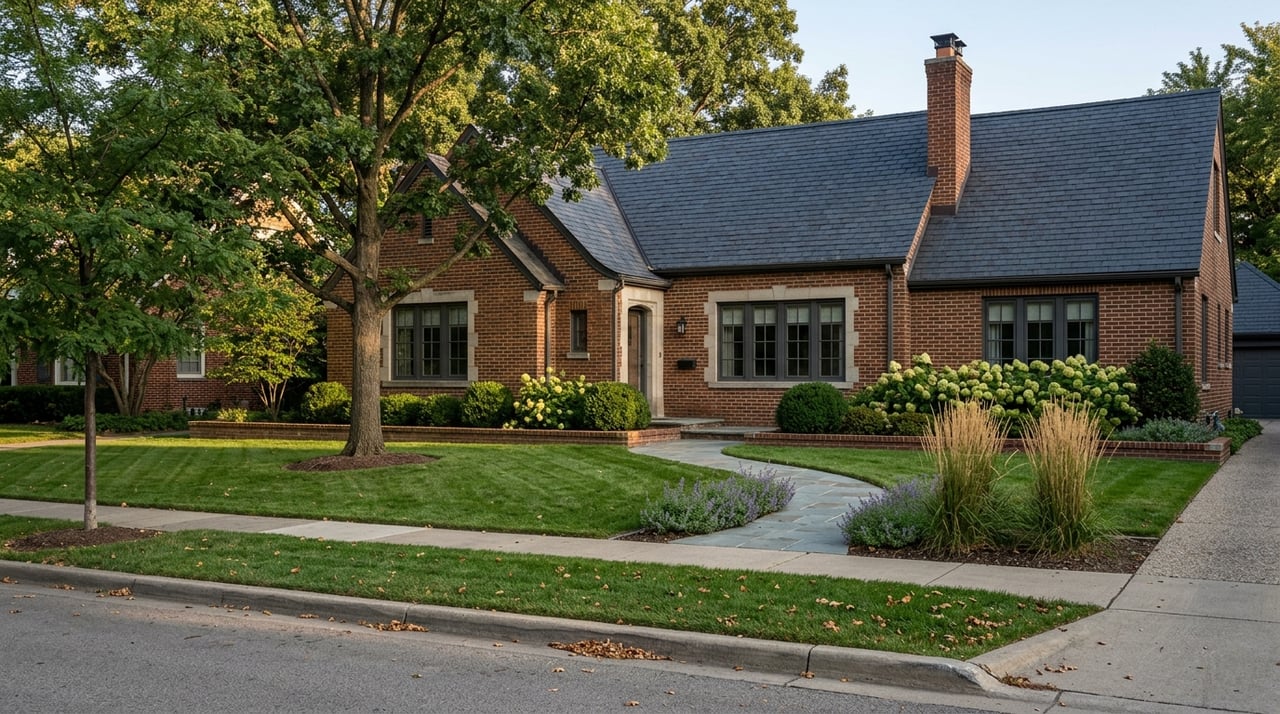
If you only know Hilltop by name, you can miss what actually shapes daily life around Cranmer Park. A home a few blocks one way can feel park-centered and view-driven, while a home a few blocks another way can feel more connected to parkway streets, nearby retail, or a different lot pattern altogether. If you are buying or selling in this part of Denver, understanding those small differences can help you make a smarter decision. Let’s take a closer look.
Why micro-neighborhoods matter
Hilltop is generally described as the east-central Denver neighborhood bounded by Colorado Boulevard, Holly Street, 8th Avenue, and Alameda Avenue. Archival summaries describe it as almost entirely residential, but that does not mean every block lives the same way.
Around Cranmer Park, block-level differences show up in views, street rhythm, lot shape, and access. Those details often explain why two homes in the same neighborhood can feel meaningfully different in both daily use and long-term appeal.
Cranmer Park sets the tone
Cranmer Park is the central anchor for this part of Hilltop. Denver bought the land in 1906, landscaped it in the 1930s, renamed it Cranmer Park in 1959, and added the WPA viewing platform, mountain mosaic, and sundial.
One of the park’s defining features is what it does not have. It was intentionally kept treeless to preserve mountain views, and Denver still maintains a Cranmer Park view plane to protect that outlook.
That design choice affects more than the park itself. It shapes how nearby blocks feel from the street and how architecture, setbacks, and elevated sites read as you move through the area.
Park-facing crest blocks
The blocks closest to Cranmer Park and its terrace are the most view-oriented pockets in the neighborhood. If you are walking or driving these streets, the relationship to open sky, the park edge, and the preserved mountain outlook is immediate.
Graland Country Day School sits just across from the park on Clermont Street, which reinforces a daily rhythm built around the park and nearby institutional open space. In practical terms, these blocks often feel the most directly tied to Cranmer Park’s identity.
For buyers, this pocket usually raises questions about frontage, outlook, and how the home sits on the land. For sellers, the story is often about orientation and the home’s connection to one of Hilltop’s best-known landmarks.
6th Avenue Parkway edge
Hilltop’s north edge carries a different character because of East 6th Avenue Parkway. Denver Public Library describes it as Denver’s longest east-west parkway, and it provides the setting for many fine residences.
That parkway condition creates a broader, more formal streetscape than you may find on some interior blocks. The visual rhythm here is less about direct park adjacency and more about the scale and setting that come with a historic parkway edge.
If you are comparing homes near Cranmer Park, this area can appeal for different reasons than the crest blocks. The draw may be the parkway environment itself, along with the sense of approach and the established residential setting.
Colorado Boulevard west edge
Hilltop’s western boundary sits against Colorado Boulevard, and that gives this edge a different kind of advantage. While Hilltop remains largely residential, this side of the neighborhood benefits from easy access to Cherry Creek North.
Cherry Creek North is a 16-block district with more than 75 boutiques, 50 restaurants and bars, and 175-plus small businesses. Visit Denver also describes the broader Cherry Creek area as having more than 300 stores, 75 cafes and restaurants, 50 spas and salons, and five hotels.
For some buyers, that nearby convenience is a major part of the value equation. This edge is often as much about access and day-to-day ease as it is about quiet residential living.
Interior blocks and alley patterns
Some of Hilltop’s most important differences are not obvious at first glance. The neighborhood was assembled from two subdivisions that did not line up perfectly, and some north-south streets still show those jogs.
The city has also noted that Hilltop includes public alleys, private alleys, and alleys that were laid out but never built. That means backyard depth and perceived lot size can change from one block to the next.
If you are buying, this is where careful block-level review matters. A lot can look similar from the front street but function differently once you account for alley access, rear-yard configuration, and how the parcel was originally laid out.
Overlay-protected blocks
Some parts of Hilltop are also shaped by the Hilltop Heritage Conservation Overlay District, known as CO-1. In those qualifying areas, lot splits are constrained by minimum width and size standards.
That matters because the overlay helps preserve the neighborhood’s existing scale where it applies. For buyers and sellers alike, this can influence how a block is expected to evolve over time.
When you compare homes around Cranmer Park, it is useful to know whether a property sits inside an overlay-protected area. That context can affect how you think about future lot changes, neighboring development patterns, and overall block continuity.
Architecture is layered, not uniform
One of Hilltop’s strengths is that it is not defined by a single architectural style. The 1917 Cranmer House is documented by the National Park Service as an Italian Renaissance-style, stucco-clad brick residence on an elevated site facing Cranmer Park.
Sources also connect the park-adjacent area to architect Jules Jacques Benois Benedict, while Denver Public Library notes that Victor Hornbein later designed many Hilltop homes in a modernist style. Together, those references show a neighborhood with a layered architectural story.
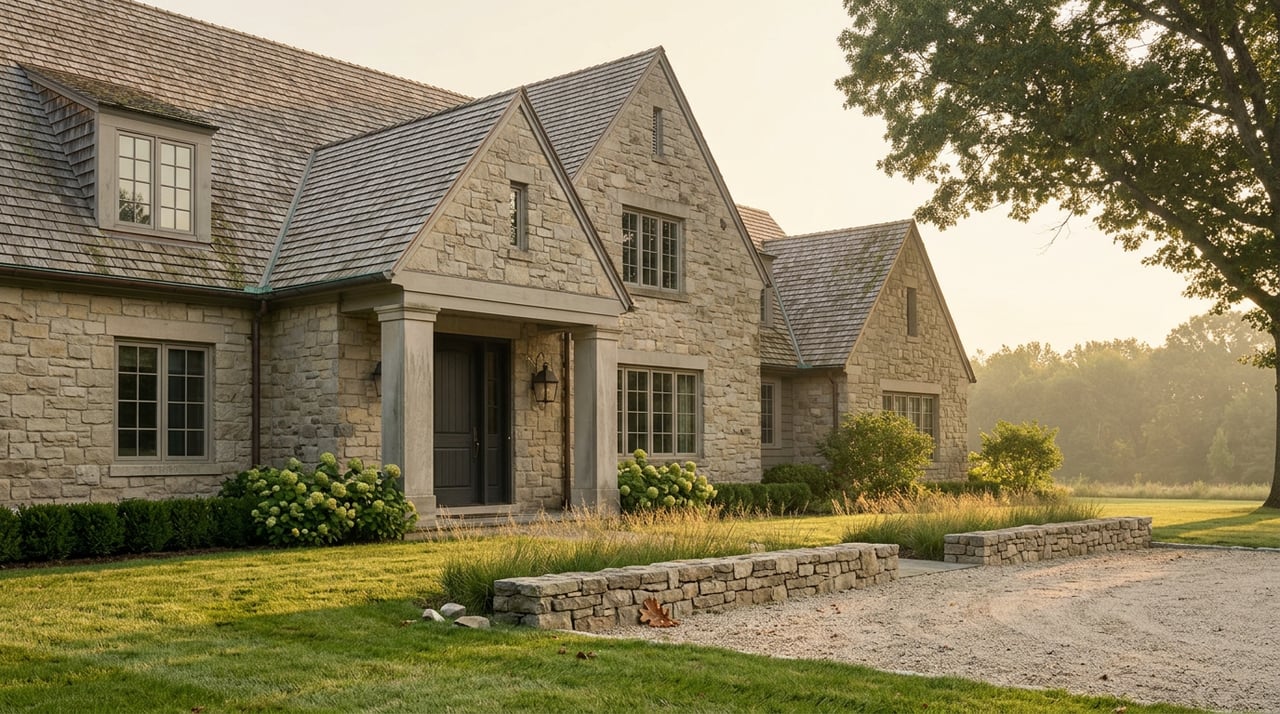
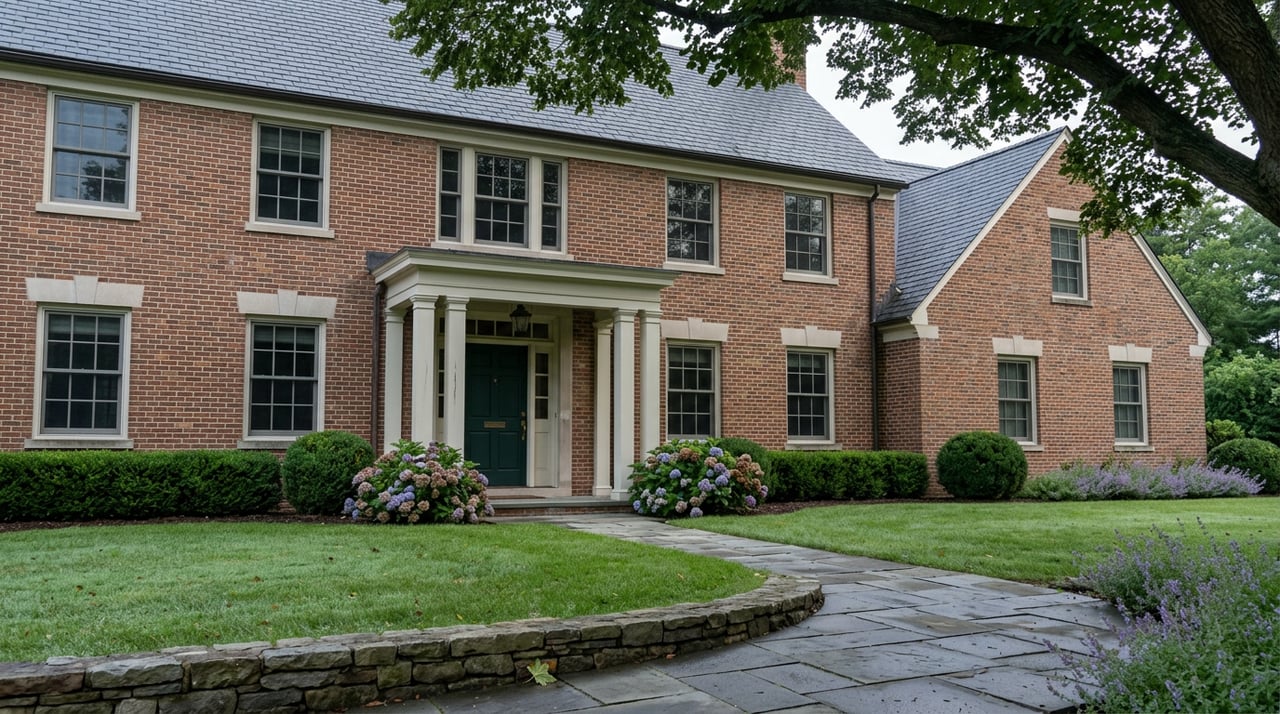
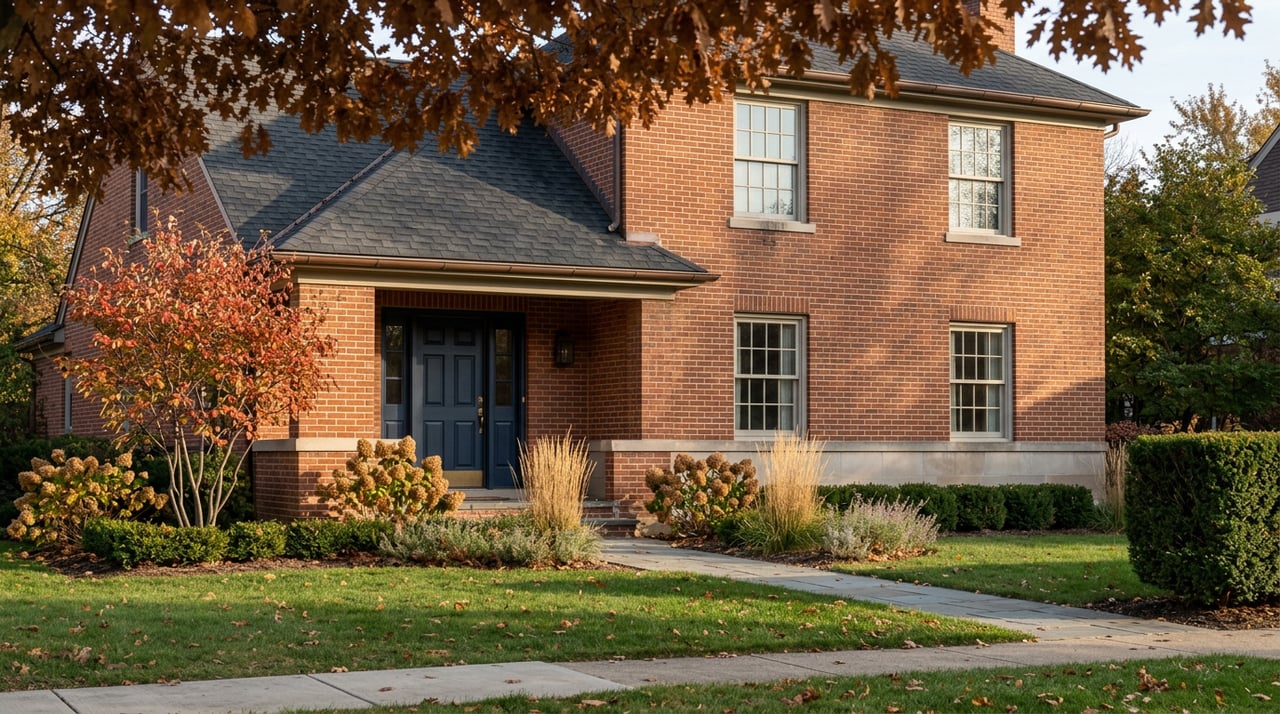
That mix is especially visible around Cranmer Park because the park’s open design allows rooflines, setbacks, and massing to read more clearly. As you compare blocks, details like front-yard depth, mature trees, and whether a home sits on elevated ground can shape the overall impression.
What buyers should compare block by block
When you are evaluating micro-neighborhoods around Cranmer Park, it helps to focus on a short list of practical factors.
- Park relationship: How close is the home to Cranmer Park, its terrace, and its open views?
- View exposure: Does the block benefit from the protected sightline that makes this park distinctive?
- Street setting: Is the home on a park-facing block, a parkway edge, a quieter interior street, or closer to Colorado Boulevard access?
- Lot configuration: Does alley history affect backyard depth, access, or perceived lot size?
- Overlay context: Is the property in an area where lot splits are more constrained?
- Architectural presence: How do style, setback, roofline, and elevation shape the home’s street presence?
These are the kinds of details that often matter more than simply saying a home is “in Hilltop.” Around Cranmer Park, the block is often a big part of the story.
What sellers should understand
If you are preparing to sell near Cranmer Park, your property’s strongest features may be more specific than square footage or bedroom count. Buyers in this part of Hilltop often respond to orientation, outlook, architectural character, and the exact feel of the block.
That means the most effective positioning usually starts with the micro-location. A park-facing home, a residence near 6th Avenue Parkway, or a property on an interior block with a distinctive lot configuration may each need a different story, even when they are only minutes apart.
For architecturally significant homes in particular, that nuance matters. The right presentation should explain not just where the home is, but why that exact setting stands apart within Hilltop.
Why this matters in Hilltop
Hilltop’s amenity story is unusually balanced between parks, nearby schools, and retail access. Around Cranmer Park, those elements overlap in a way that gives the neighborhood a strong sense of place without making every block interchangeable.
That is why micro-neighborhood knowledge matters so much here. Whether you are buying for long-term enjoyment or selling a legacy property, understanding park frontage, view-plane influence, lot legality, and architectural context can lead to better decisions.
If you are considering a move in Hilltop, the difference between a good fit and an exceptional one often comes down to the block, not just the neighborhood. For a discreet, highly informed conversation about Hilltop and Cranmer Park, connect with the Wolfe Bouc Team.
FAQs
What makes Cranmer Park blocks different within Hilltop?
- The main differences are park frontage, mountain view orientation, street setting, lot configuration, and whether the property sits in an overlay-protected area.
Which Hilltop blocks feel most connected to Cranmer Park?
- The streets immediately around Cranmer Park and Graland tend to feel the most park-adjacent because the park, school, and protected view corridor overlap there.
Why do lot sizes feel different around Cranmer Park in Hilltop?
- Hilltop includes public alleys, private alleys, and some alleys that were planned but never built, so backyard depth and perceived lot size can vary from block to block.
What architectural styles appear near Cranmer Park in Hilltop?
- The documented architectural mix includes early Italian Renaissance residential work and later modernist homes, which gives the area a layered rather than uniform character.
Why do mountain views matter so much near Cranmer Park?
- Cranmer Park was intentionally designed to preserve mountain views, and Denver continues to maintain a view plane that protects those sightlines.