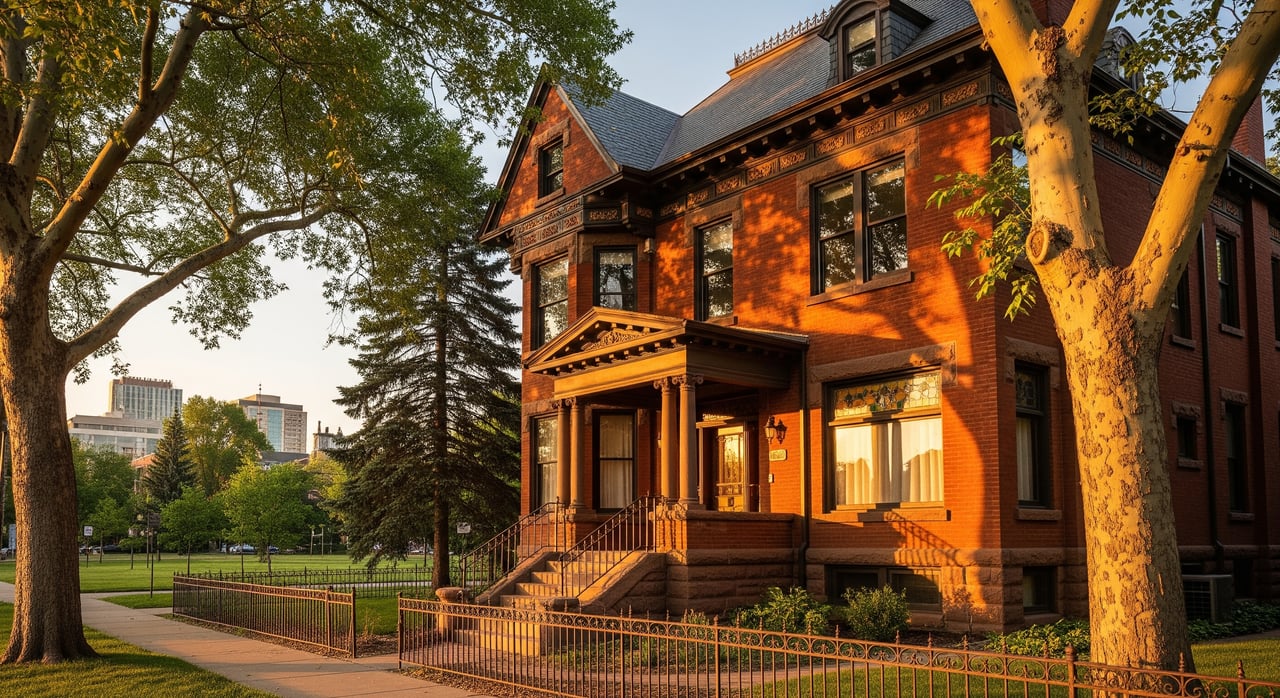
Thinking about freshening up a porch, adding a dormer, or building a garage along 7th Avenue? If the home sits within the 7th Avenue Historic District near Congress Park, a few extra steps will shape your plan. You want to protect your home’s character while staying on schedule and on budget. In this guide, you will learn what the rules cover, how the review and permit process works, and how to plan smart timelines and costs. Let’s dive in.
Historic designation in Denver
Local landmark rules are what matter most for day-to-day renovation. National or state recognition honors a property’s history and can unlock incentives for certain projects, but it rarely limits a private owner’s choices. The local City and County of Denver historic-district rules govern exterior work that is visible from public streets.
What is regulated on 7th Ave
- Exterior features visible from the street, such as façades, roofs, front porches, primary doors and windows, and overall massing.
- Additions and new construction that change the streetscape or district character.
- Demolition or removal of character-defining elements, which face heightened review.
What is usually not regulated
- Interior changes that do not affect the exterior.
- Routine in-kind repairs and work on areas not visible from the public way, depending on scope.
- Some accessory structures or rear-yard changes, if not visible from the street. Always confirm for your specific property.
How review and permits work
Historic review in Denver integrates with the city’s permitting system. You apply for historic review before building permits are issued. The name of the approval can vary by form, so confirm current terminology with Denver preservation staff.
Review paths
- No review or Certificate of No Effect: Very minor, in-kind maintenance may not require formal historic review. Still confirm permitting.
- Staff review: Many routine exterior changes, such as window repair or small, low-visibility additions, can be approved administratively.
- Commission review: Major additions, demolition, and new construction require a public hearing and commission approval.
- Emergency or temporary work: Expedited consideration is possible, with documentation required.
Permits you may need
- Building permits for structural changes and additions.
- Electrical, mechanical, and plumbing permits when systems are updated.
- Demolition permits for partial or full removal of elements.
- Right-of-way permits if your work affects sidewalks, curbs, or the parkway.
What to include in your application
- Scaled existing and proposed plans and elevations.
- Product data and material samples, including windows, roofing, and siding.
- Photographs of existing conditions and the wider streetscape.
- A brief narrative explaining how the design meets local historic guidelines and accepted rehabilitation standards.
- For demolition, historic documentation and evidence that alternatives were considered.
Timelines to expect
- Early consultation: A pre-application meeting can save time by clarifying the right path.
- Staff approvals: Plan for several weeks if your submittal is complete.
- Commission approvals: Expect several weeks to a few months, based on meeting calendars and notice periods.
- Major new construction or demolition: Allow several months, given public notice and more extensive review.
- Permit issuance: Historic approval conditions the building permit, which then follows typical permit timelines.
Appeals and compliance
If you disagree with a decision, an appeal to a higher municipal review body is typically available. Doing exterior work without required review can trigger stop-work orders, fines, and required restoration. It can also create issues at resale. Plan ahead and document approvals before you start.
What this means for buyers and owners
Design flexibility and cost
You can renovate and add to a home in the 7th Avenue Historic District. The key is to use designs and materials that respect the district’s character, especially for street-visible areas. Expect some added design and documentation costs and the potential need for contractors familiar with historic materials.
Market value perspective
For many buyers, a protected streetscape and architectural continuity are positives. Others see the review process as a constraint. Value impact often depends on buyer preferences and local demand. Clear documentation of approved work and proper maintenance can support long-term value.
Financing and insurance
Historic designation does not block typical mortgages or insurance coverage. Lenders may ask to see approved permits and historic approvals for major work. Factor that into your renovation timeline if financing depends on permit milestones.
Incentives and guidance
- Federal rehabilitation tax credits may apply to certified work on income-producing historic properties.
- State or local incentives can change over time and may include grants or tax programs.
- City preservation staff and local nonprofits can offer technical help and referrals.
Confirm eligibility and current program details before you purchase or plan a project.
Due-diligence checklist for buyers
- Request the home’s designation paperwork and any prior approvals from the seller.
- Review the property’s recent permit history and any preservation conditions.
- Confirm which features are protected and how past work was approved with city staff or official records.
- Build extra time and budget into your plan for historic review and permitting.
- Engage a contractor or architect with historic experience to scope feasibility.
- Explore whether planned work could qualify for federal, state, or local incentives.
- Check for any private covenants that may add restrictions beyond city rules.
Project planning for 7th Ave homes
- Start with a pre-application meeting to confirm whether your work is staff- or commission-level.
- Prepare clear, scaled drawings and gather material samples early.
- Align your design with district standards: massing, roof forms, window patterns, and porch details matter.
- Plan for public notice periods and meeting calendars for major work.
- Budget 2 to 3 months for minor exterior projects and 3 to 6 or more months for major additions or demolition.
- Document existing conditions with photos and measured drawings before any work begins.
- If demolition is on the table, expect stronger scrutiny and be ready to show alternatives.
Final thoughts
Owning in the 7th Avenue Historic District near Congress Park carries both pride and responsibility. With early planning, the right team, and a clear path through review, you can achieve a beautiful result that fits the district and supports long-term value. If you are weighing a purchase or planning a renovation, our team can help you map the process, assemble the right experts, and time the market.
For discreet guidance on a 7th Avenue or Congress Park property, contact the Wolfe Bouc Team to Request a Private Consultation.
FAQs
Are interiors regulated in the 7th Avenue Historic District?
- Interiors are generally not regulated by local historic-district rules; the focus is on exterior changes visible from the street. Always confirm for your property.
Can I replace historic windows with modern vinyl?
- Many guidelines favor repair or historically compatible replacement for street-visible windows; incompatible materials or profiles may be denied.
Can I add a second story or expand the footprint?
- Additions are possible but must be designed to respect the home and streetscape; major additions often require commission review.
Are solar panels allowed on homes in the district?
- Solar is reviewed for placement and visibility; low-profile, rear-roof installations are often preferred. Consult staff early on layout.
What about fences, landscaping, or garages along 7th Avenue?
- Street-facing fences, site features, and garages can be regulated if they affect the public character; rear-lot changes may have more flexibility.
Can a property be removed from local historic designation?
- Delisting is uncommon and requires a formal process with specific findings; it is not guaranteed and should not be assumed.
How long do historic approvals take in Denver?
- Plan for several weeks for minor staff approvals and several months for major additions, new construction, or demolition, plus building permit timelines.