Do you love Belcaro’s gracious streets but feel unsure how to tell a Tudor from a ranch, or what updates will truly add value? If you appreciate character and comfort, you are not alone. Buyers in Belcaro often want the best of both worlds: original craftsmanship and modern livability. This quick guide shows you how to recognize the neighborhood’s signature styles, what details are worth preserving, and how to plan sensitive improvements that support resale. Let’s dive in.
Belcaro at a glance
Belcaro is a mature Denver neighborhood with homes that reflect 1920s to 1950s design, plus later infill. Larger urban lots, tree-lined streets, and strong curb appeal put the focus on exterior materials and proportion. Design‑conscious buyers look for intact period details inside, paired with updated kitchens, baths, and systems for everyday comfort. Before changing exteriors in historically significant areas, confirm any design review or landmark considerations with Denver’s Landmark Preservation resources.
How to spot Belcaro styles
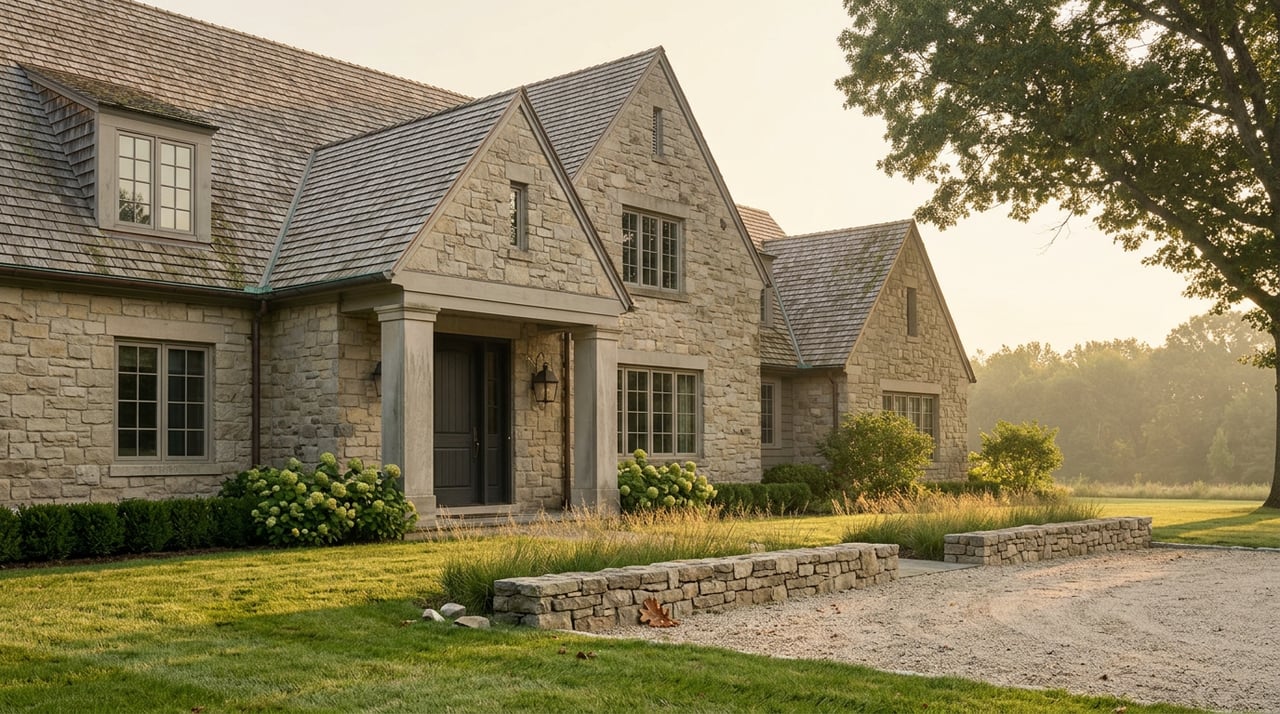
Tudor Revival
- Exterior cues:
- Steep, multi-gabled roofs and prominent chimneys, sometimes with decorative chimney pots.
- Half-timbering over stucco, or brick and stone facades.
- Tall, narrow casement windows, often with leaded or diamond panes, and arched entries.
- Interior cues:
- Exposed beams or decorative timberwork.
- Fireplaces with tile or stone surrounds, built-ins, and compartmentalized rooms.
- Authenticity check:
- Original leaded casements, plaster walls, and intact millwork signal high integrity.
- Modern siding over half-timbering or removed chimneys can diminish character.
Georgian and Colonial Revival
- Exterior cues:
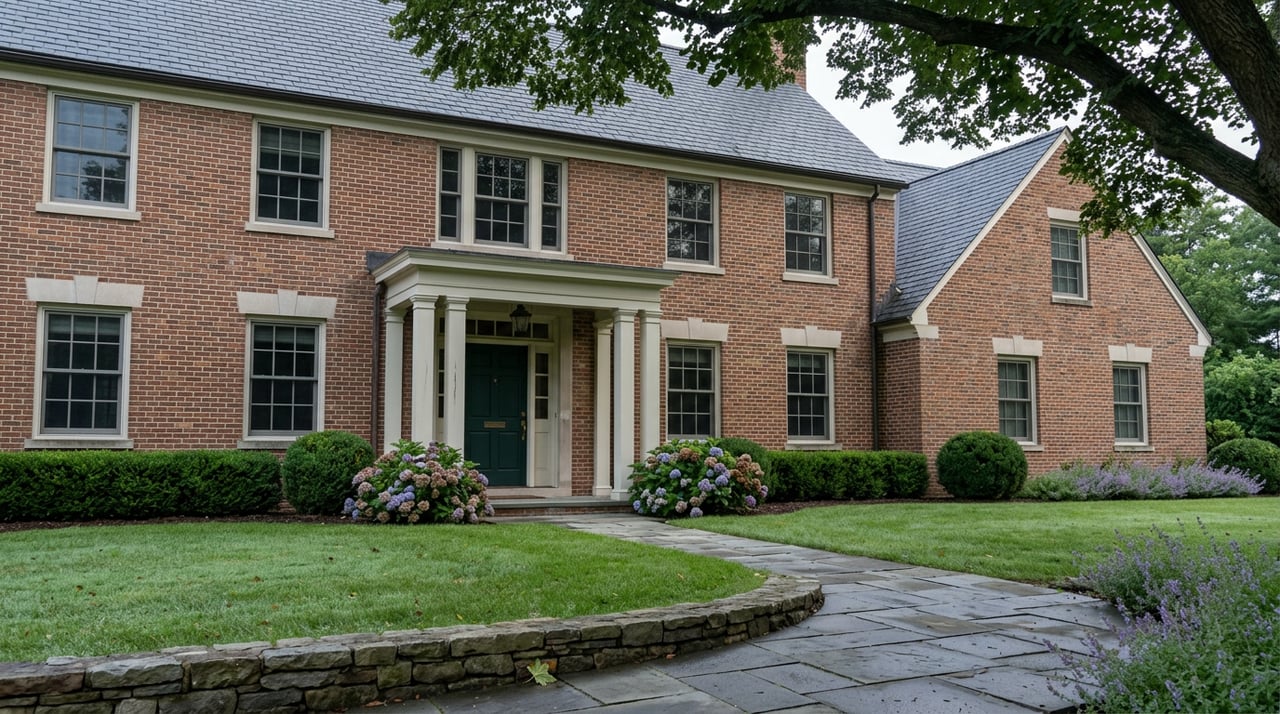
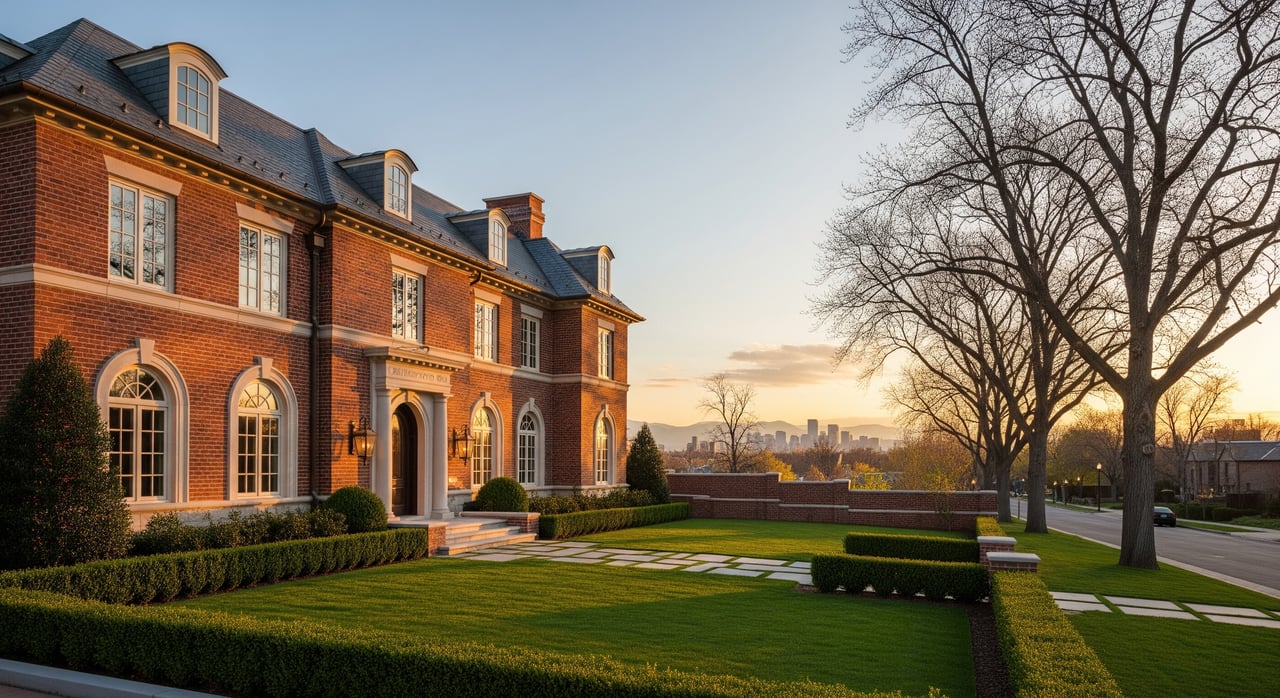
- Symmetrical facades with a centered entry, often with a pediment and pilasters.
- Multi-pane double-hung sash windows with shutters, brick or clapboard exteriors, dormers.
- Interior cues:
- Formal room layout, classically detailed mantels, paneled wainscot or chair rails.
- Authenticity check:
- Original moldings and fireplace surrounds are key; window replacements that alter proportions or fully open first floors can undermine the style’s rhythm.
Ranch
- Exterior cues:
- Single-story, long horizontal massing with low-pitched roofs and broad eaves.
- Attached garages and large picture windows.
- Interior cues:
- Open or semi-open plans, informal living spaces, built-ins, and backyard connection.
- Authenticity check:
- Original low-profile window patterns and built-ins matter; full second-story additions change the character.
Eclectic Revival styles
- What to look for:
- Spanish or Mediterranean Revival with stucco walls, red tile roofs, and arched openings.
- French or European influences with steep roofs, flared eaves, and decorative masonry.
- Interior cues:
- Plaster walls, arches, tile accents, and crafted details.
- Authenticity check:
- Original roof tiles, plaster, and decorative tilework are valuable; incompatible siding or window styles reduce authenticity.
What buyers value most
- High-value original details:
- Millwork, built-ins, mantels, plasterwork, and solid wood doors with original hardware.
- Original hardwood floors, refinishable and consistent with the home’s era.
- Exterior masonry, porches, chimneys, and period roof details.
- Essential modernizations:
- Updated HVAC, electrical, and plumbing for safety and efficiency.
- Kitchens and baths with modern function that respect original room proportions.
- Energy improvements like insulation and air sealing to boost comfort.
- How buyers judge tradeoffs:
- Repaired original windows with weatherstripping or storm panels often beat basic replacements in perceived quality.
- Curated updates that preserve key features usually outperform full gut remodels on appeal.
- Additions that are subordinate in massing and match materials are more acceptable than oversized or stylistically unrelated expansions.
Plan updates with care
Planning and approvals
- Confirm whether your property is subject to landmark designation or design review before exterior changes.
- For significant historic fabric, hire contractors with historic-home experience and consider a preservation architect for sensitive alterations.
High-impact projects for resale
- Kitchens and primary baths:
- Improve function and storage, but keep sightlines and nearby period features intact.
- Consider inset cabinetry or simple moldings that echo original millwork.
- Systems:
- Update HVAC, electrical, and plumbing. Maintain clear documentation with permits and service records.
Moderate-impact moves
- Windows:
- Repair original sashes and add storm windows where feasible. If replacement is necessary, match profiles, muntin patterns, and sightlines.
- Flooring:
- Refinish original hardwood and patch with matching species and widths when needed.
Use materials that honor character
- Paint and finishes:
- Choose palettes and sheen levels that complement the era and preserve historic finishes when possible.
- Hardware and lighting:
- Select reproduction or compatible fixtures that complement without feeling theme-like.
- Kitchens and baths:
- Pair modern performance with classic details, such as simple moldings, paneled ends, and timeless tile patterns.
Improve energy without losing charm
- Prioritize attic and basement or crawlspace insulation, which are often invisible upgrades with strong returns.
- Weatherstrip original windows and doors before replacing them.
- Place modern equipment discreetly to preserve curb appeal.
Accessibility and life-cycle planning
- Use reversible solutions for entries and thresholds so you can adapt without permanent changes.
- Plan mechanical and electrical routes to avoid cutting through plaster and millwork.
Document and present your care
- Keep photos, receipts, and permits to show the quality of work.
- Stage to highlight original features. Use lighting and clean sightlines to showcase fireplaces, moldings, and built-ins.
Style-by-style quick checklists
Tudor Revival checklist
- Keep: leaded casements, timber details, original fireplace surrounds.
- Update: kitchen flow and lighting in a way that maintains room proportions.
- Avoid: removing chimneys or covering half-timbering with incompatible materials.
Georgian and Colonial Revival checklist
- Keep: symmetrical window patterns, crown and base moldings, classically detailed mantels.
- Update: baths with timeless tile and understated fixtures that respect formality.
- Avoid: window replacements that change proportions or erase the rhythm of the facade.
Ranch checklist
- Keep: low horizontal lines, broad eaves, picture windows and built-ins.
- Update: energy performance, kitchen openness, and indoor-outdoor connection.
- Avoid: tall second-story additions that disrupt scale and massing.
When to keep, repair, or replace
- Keep and repair when:
- Original materials are intact or repairable, such as wood windows with restorable sashes, historic plaster, or solid wood doors.
- Replace carefully when:
- Elements are beyond repair or unsafe. Select replacements that match the original scale, profile, and pattern.
- Document everything:
- Buyers respond to visible care and clear records, especially in character homes.
Selling in Belcaro with confidence
When you balance period character with thoughtful modern comfort, you position your home for the widest pool of design-savvy buyers. The right plan preserves defining features, upgrades systems, and makes strategic style-consistent choices. If you are weighing options for improvements or preparing to list, a local advisor with deep knowledge of Belcaro’s housing stock can help you prioritize for maximum impact.
For discreet, high-touch guidance on buying or selling in Belcaro, connect with the Wolfe Bouc Team. Request a Private Consultation and put seasoned neighborhood expertise to work for you.
FAQs
Are original windows worth keeping in Belcaro homes?
- Often yes. Repaired and weatherstripped original windows, sometimes paired with storm panels, preserve character and can improve comfort without a full replacement.
Will a modern kitchen hurt resale in a historic-style house?
- A well-executed modern kitchen typically helps. Keep room proportions and nearby millwork intact, and choose finishes that complement the home’s style.
Should I restore plaster walls or switch to drywall?
- Restore plaster where feasible. Skilled repairs maintain authenticity, and if replacement is necessary, match the original surface and texture.
What updates are red flags for design-conscious buyers?
- Loss of original millwork, inappropriate exterior cladding over masonry or timber details, oversized additions, and window changes that alter facade proportions.
Are there local rules or incentives for preservation in Denver?
- Some properties may fall under landmark review or be eligible for incentives. Check Denver’s Landmark Preservation office and local historic resources before planning exterior work.