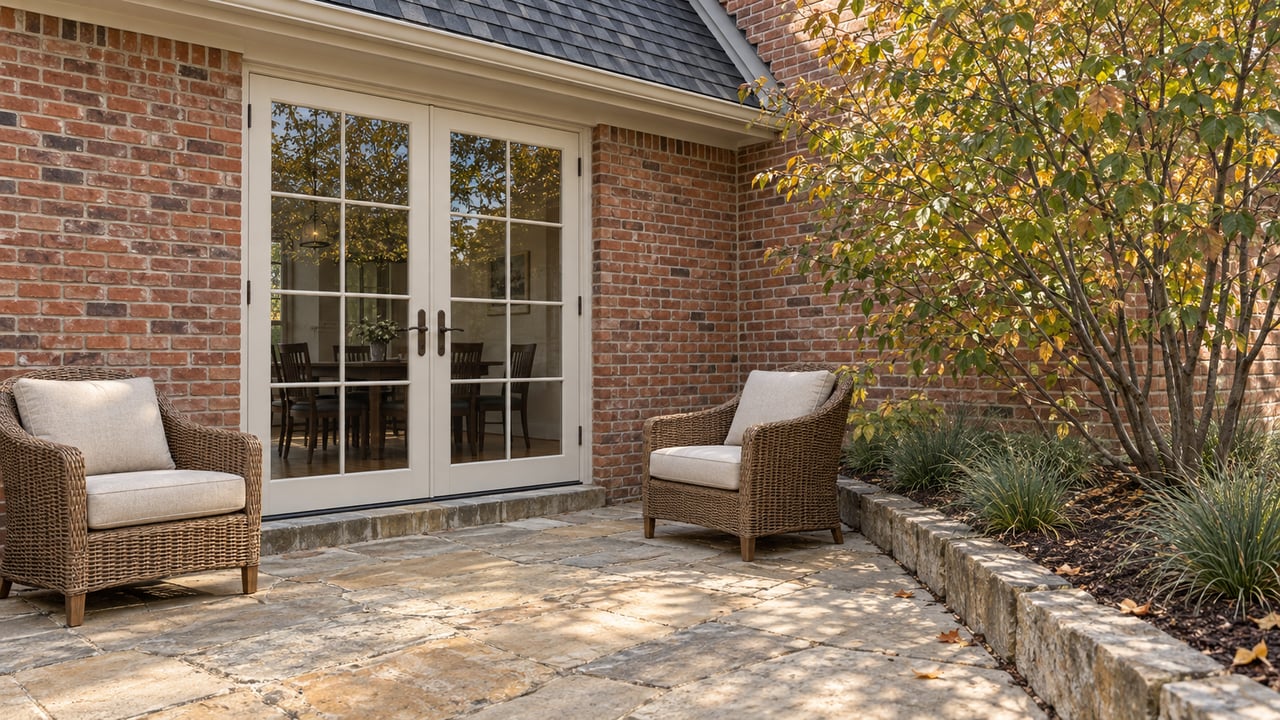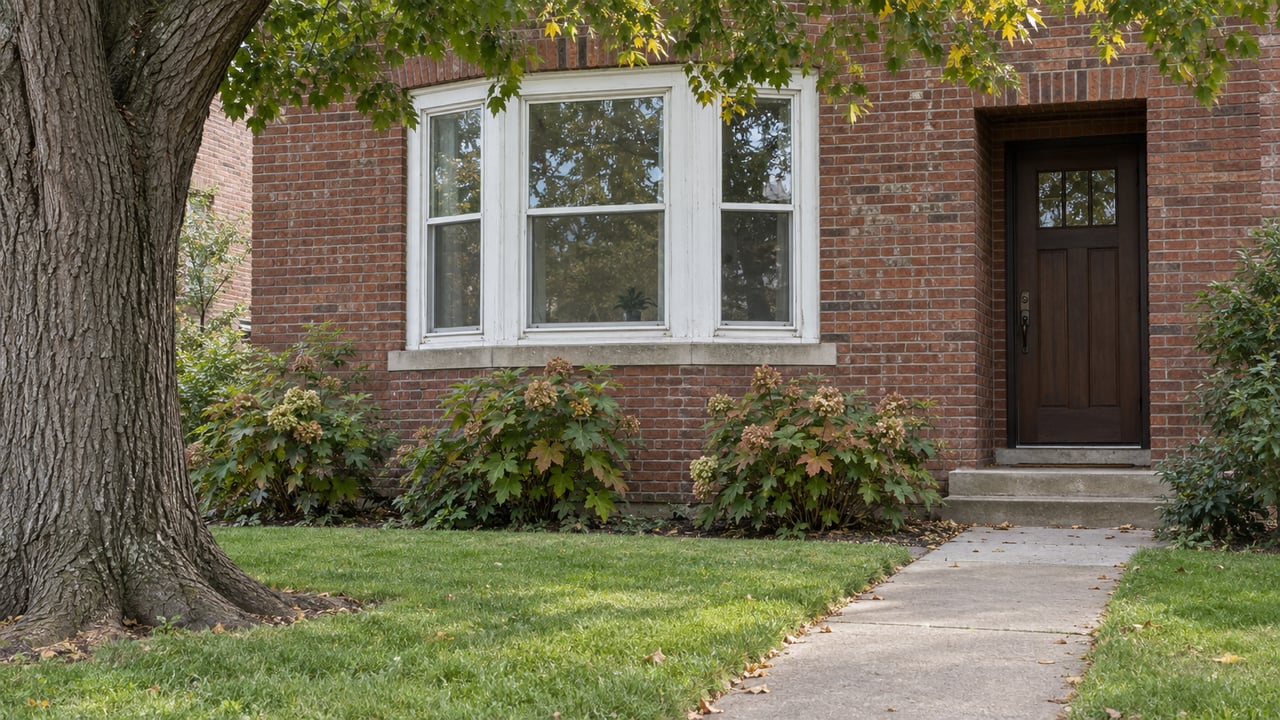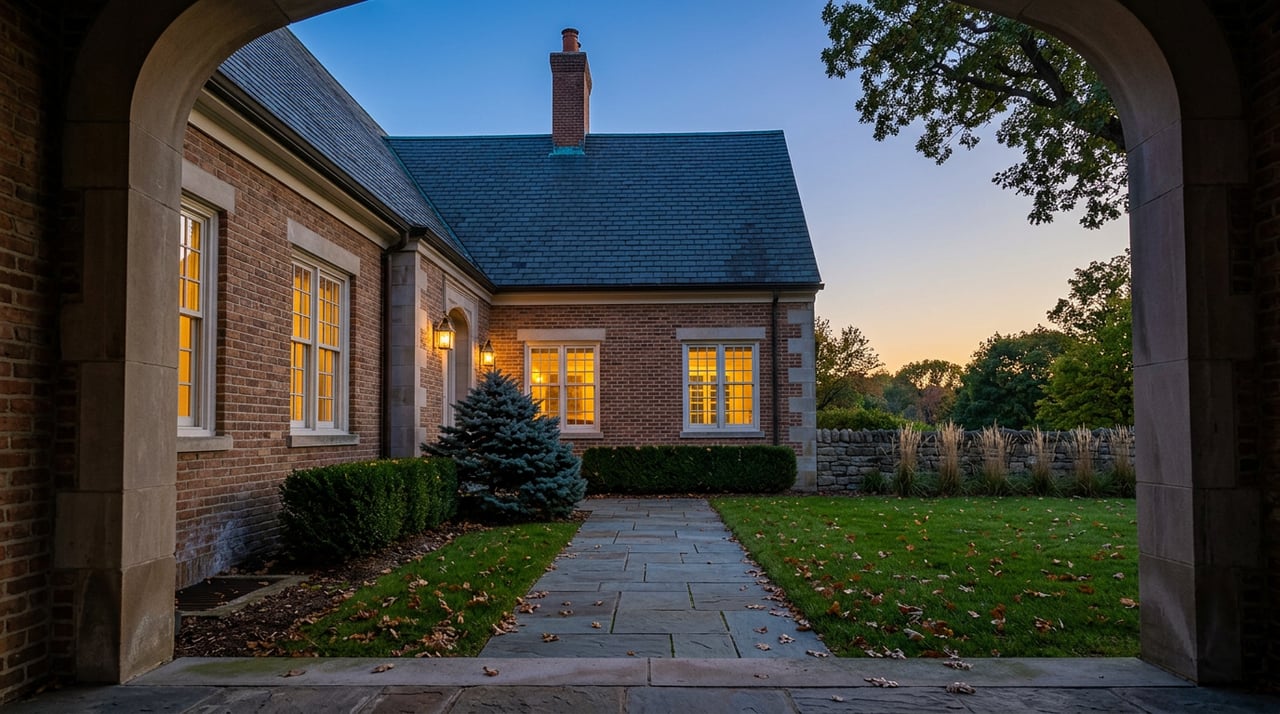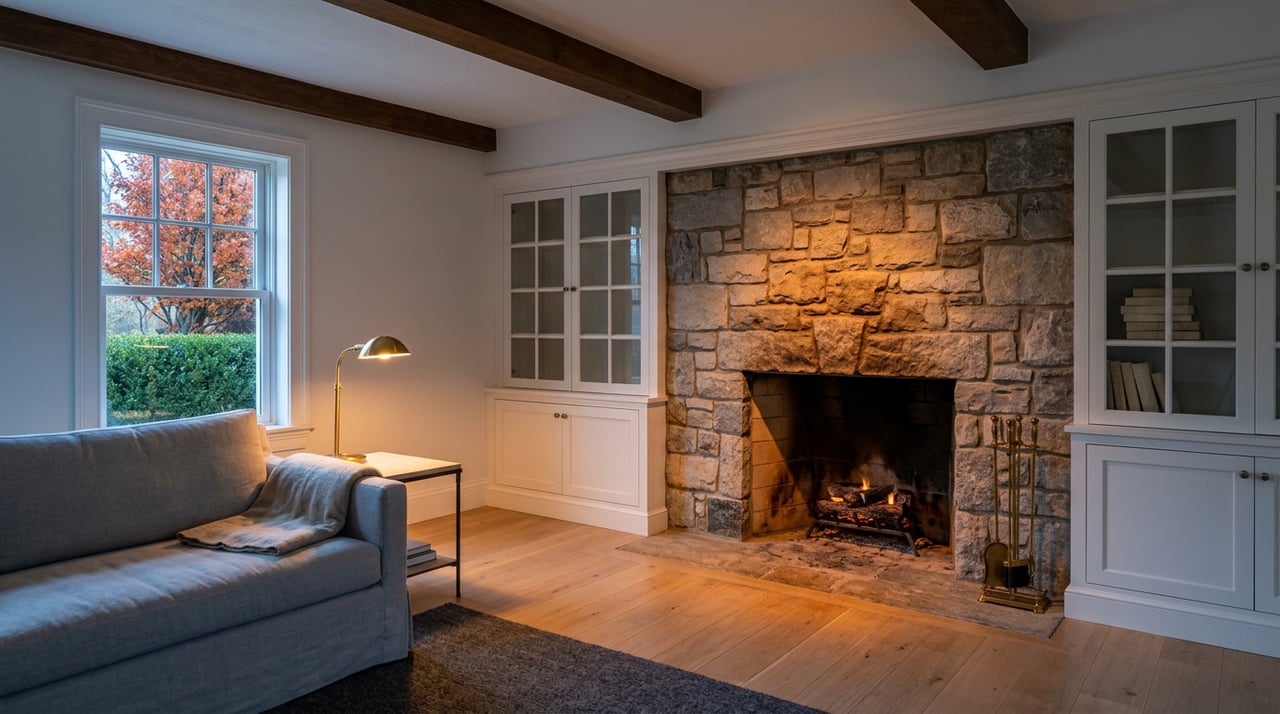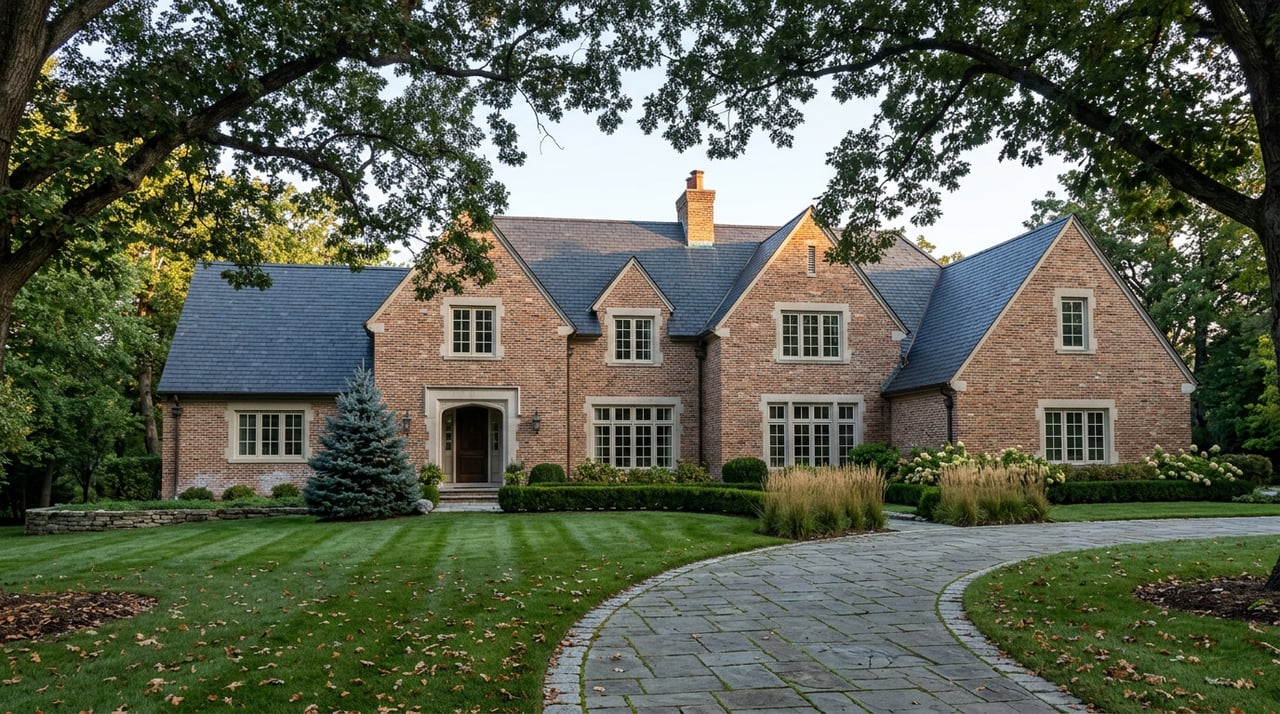
Two mansions came down on Polo Club Lane and Polo Club Road so that one house could go up in their place. Not a bigger house in the way most people mean it. A single-level, 17,975-square-foot residence with a wine cellar, a golf simulator, and a greenhouse, designed by the Jackson, Wyoming firm CLB Architects. The land under those two lots cost $28.2 million. Construction is budgeted at another $20 million. The buyer, an LLC with an Aspen address tied to the Walton family, had already paid $17.7 million for one of those two homes in 2022, a figure that stood as the highest price ever paid for a single-family home in Denver at the time. They tore it down anyway.
That sequence only makes sense once you understand what Polo Club actually sells. It is not selling houses. It has been selling a fixed, shrinking number of lots since the neighborhood association locked in its development plan nearly eighty years ago, and almost nothing about that number has moved since.
The Deal That Explains the Deal
Rob Walton, his daughter Carrie Walton Penner, and her husband Greg Penner became known in Denver in August 2022, the same month an entity connected to them closed on the Broncos for $4.65 billion. Greg Penner is now the team's CEO and controlling owner. According to reporting in BusinessDen, the same LLC also owned a separate Denver home about a mile from Polo Club, bought that same month for $5.1 million, a sign the family was already active in the local market before the Polo Club deals took shape. The Polo Club purchase itself came a bit later, when the family paid $17.7 million for 9 Polo Club Lane and its 6.5 acres, a deal that never touched the MLS and became Denver's top residential sale to that point. They later added the neighboring parcel and filed permits with the city to demolish both structures and build one home in their place.
If the goal were square footage, buying an existing 17,000-square-foot mansion would have been faster and cheaper than paying $28.2 million for dirt and another $20 million to build from scratch. The goal was never the house. It was the address, and more specifically, the two contiguous lots inside a neighborhood where lots almost never change hands and even less often sit vacant long enough to be assembled.
A second transaction, smaller and far less publicized, shows the same mechanism working at a different scale. A 4.3-acre Polo Club parcel on Elizabeth Street sold in December 2021 for $10.1 million. The agent representing the seller told BusinessDen the deal was a straight land sale. That same parcel sold again in January 2025 for $15 million, a jump of roughly 48 percent in a little over three years, with no reported construction in between. Nobody built anything. The land simply became worth more, because there was still less of it than buyers wanted.
| Transaction | Timeline | Price | What actually changed |
|---|---|---|---|
| 9 Polo Club Lane, 6.5 acres | 2022 purchase | $17.7M | House later demolished for new single-family build |
| Elizabeth Street parcel, 4.3 acres | Dec 2021 to Jan 2025 | $10.1M to $15M | No construction; resold as raw land value |
Why the Lot Count Almost Never Moves
Polo Club exists because polo stopped being fashionable in Denver at exactly the wrong moment for anyone hoping the neighborhood might eventually fill in with more homes. Three prominent Denverites, Lafayette Hughes, Lawrence C. Phipps, and Albert Humphreys, incorporated the Polo Club in 1921 and bought a 160-acre tract specifically to play the sport, according to History Colorado's account of the neighborhood. Families with money followed the game and began building homes nearby, many relocating from the Country Club neighborhood to be closer to the grounds. When the club itself closed in 1936, a large share of that land went up for sale.
What happened next is the part that still shapes every transaction in the neighborhood today. In 1946, Hughes formed the Polo Club Homeowners Association specifically to protect the remaining residents' privacy as the surrounding land got carved up. In the years that followed, the landowners adopted a formal development plan, the Polo Club Place Declaration of Plan for Development of Residential District, that organized the district into three fixed subdivisions and set the terms for what could be built where. That plan is the reason Polo Club has a defined edge instead of a fuzzy boundary that could theoretically absorb more density over time.
The association did not just write the plan down and walk away. In the 1960s, Charles Blair, pastor of Denver's Calvary Temple, bought roughly 46 acres of the old polo grounds and proposed a dramatically denser future for the site: four ten-story apartment towers, a school, a sanctuary seating up to 5,000 people, and parking for 1,700 cars. Polo Club residents fought the rezoning and won. The project was never built there. That fight matters because it shows the lot cap was not a passive artifact of old paperwork. It has been actively defended for close to eighty years, which is a very different thing from a neighborhood that simply happens to be built out.
An informal count taken roughly sixteen years ago put the total number of homes in Polo Club near 350. A current listing for one of the neighborhood's remaining vacant sites describes only two new-build opportunities left before the community reaches its practical capacity. Put those two facts together and the picture is plain. The number of ways to become a Polo Club owner from scratch is now down to single digits, and every sale from here forward is functionally a resale of land that already has an address attached to it.
What This Means If You Are Actually Looking Here
Most Denver luxury buyers compare listings on price per square foot, days on market, and finish quality, the same tools that work perfectly well in Cherry Hills Village or Country Club, where lot supply is large enough that renovation and new construction both remain live options. Polo Club breaks that comparison because the thing being priced is not comparable house to house. It is lot to lot, and there are barely any lots left to compare.
A buyer evaluating a Polo Club listing should be asking a different set of questions than the ones that work elsewhere in South Denver. How was the lot originally platted, and does it sit inside Subdivision A, B, or C of the original development plan, each of which carries its own architectural review history through the homeowners association. Is the existing structure being priced as a livable asset or as a placeholder the next owner is expected to remove. What does the association's architectural review process actually require for a teardown and rebuild, since that approval sits on top of the city's own permitting and can shape both timeline and design constraints in ways a standard Denver renovation never encounters.
For a seller, the same logic runs in reverse. A dated house on a full lot in Polo Club is not a liability the way it would be in a neighborhood with abundant land. It may be the entire value proposition, since the next buyer may have every intention of doing exactly what the Waltons did on Polo Club Lane.
A Few Questions Worth Asking Before You Look Further
Is new construction still possible in Polo Club? Based on current listing information, only a couple of new-build opportunities remain before the neighborhood is effectively at capacity. Beyond that, entry to the neighborhood means acquiring an existing lot, whatever sits on it.
Why would anyone tear down a record-setting home instead of keeping it? Because the price paid was for the land and the address, not for the structure. When the buyer's goal is a specific footprint across two contiguous parcels, the existing house is simply the thing standing in the way of that footprint.
How does this compare to a neighborhood like Cherry Hills Village or Country Club? Both of those areas carry their own character and pricing dynamics, but neither operates under the same near-fixed lot count that Polo Club has maintained since the 1940s. Cherry Hills Village remains its own incorporated municipality with more land in play. Country Club's historic district rules protect architecture rather than capping total lot count. Polo Club is closer to a finite, platted enclave where the ceiling on supply was set decades ago and has been defended ever since.
If you are weighing a move into Polo Club, or trying to understand what a listing there is really worth compared to the rest of South Denver's luxury market, the Wolfe Bouc Team can walk through the specific lot, its subdivision history, and what that means for your offer. Request a Private Consultation and we will bring the map, not just the comps.