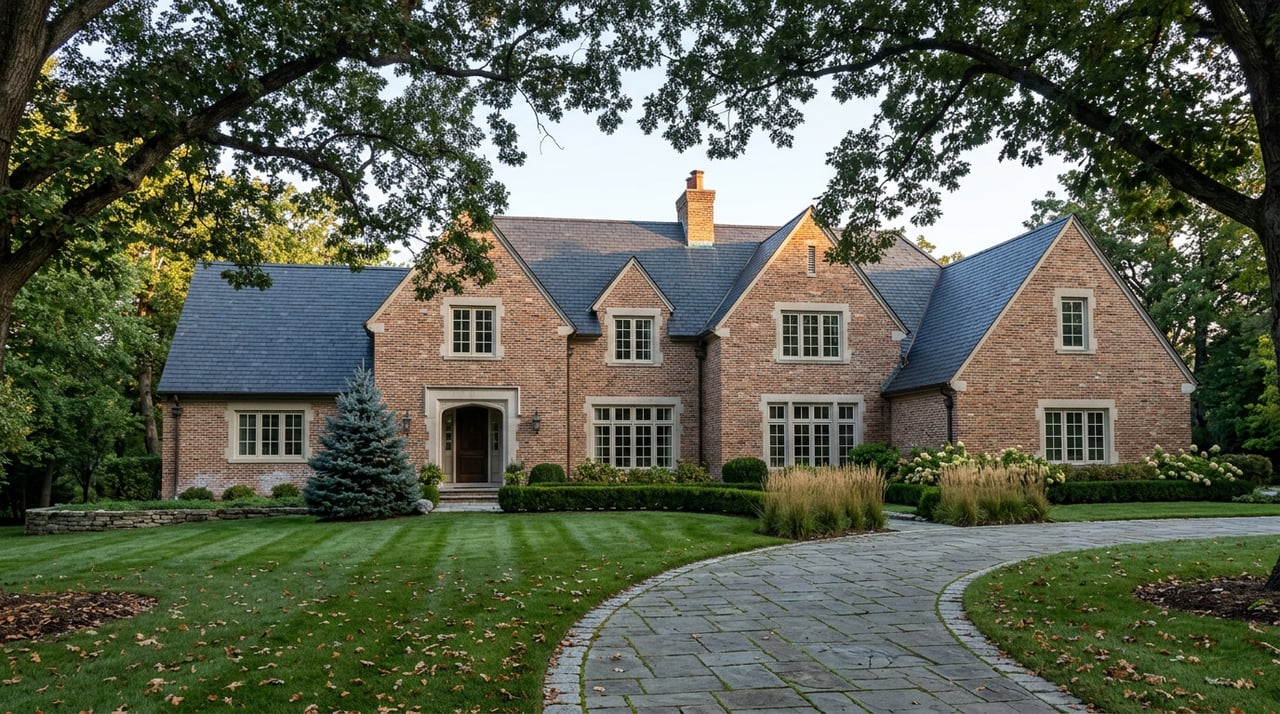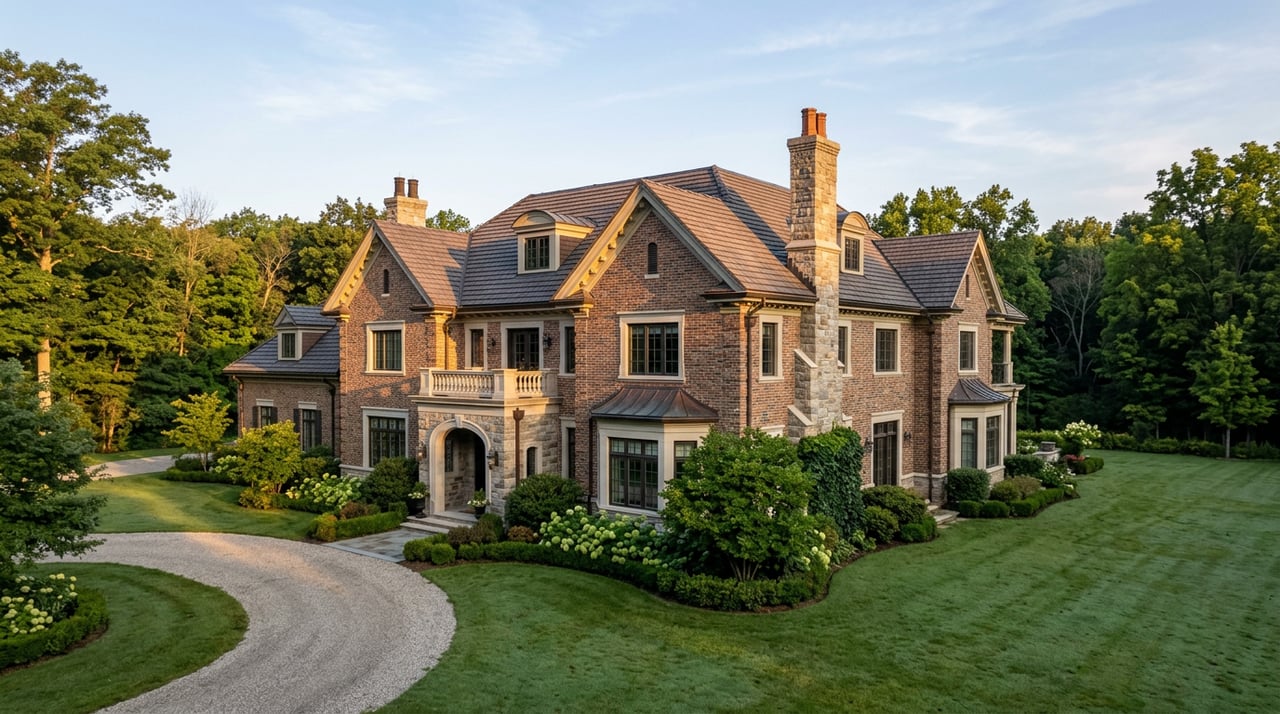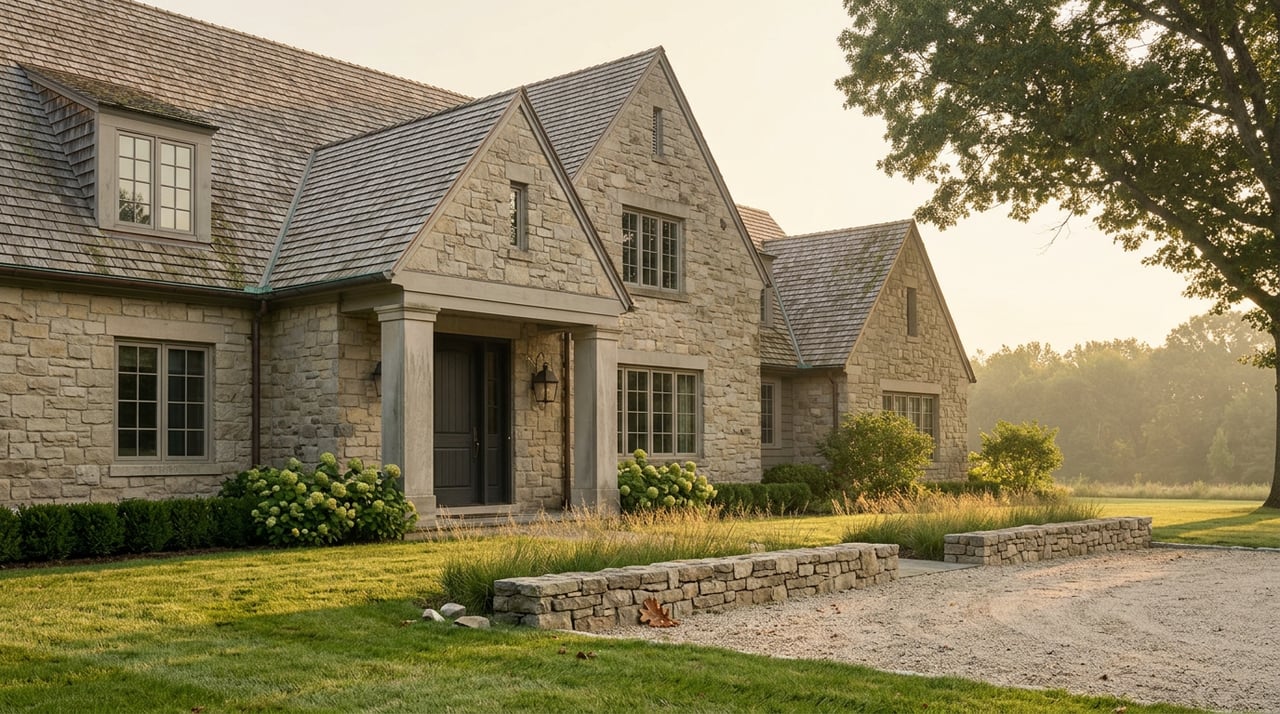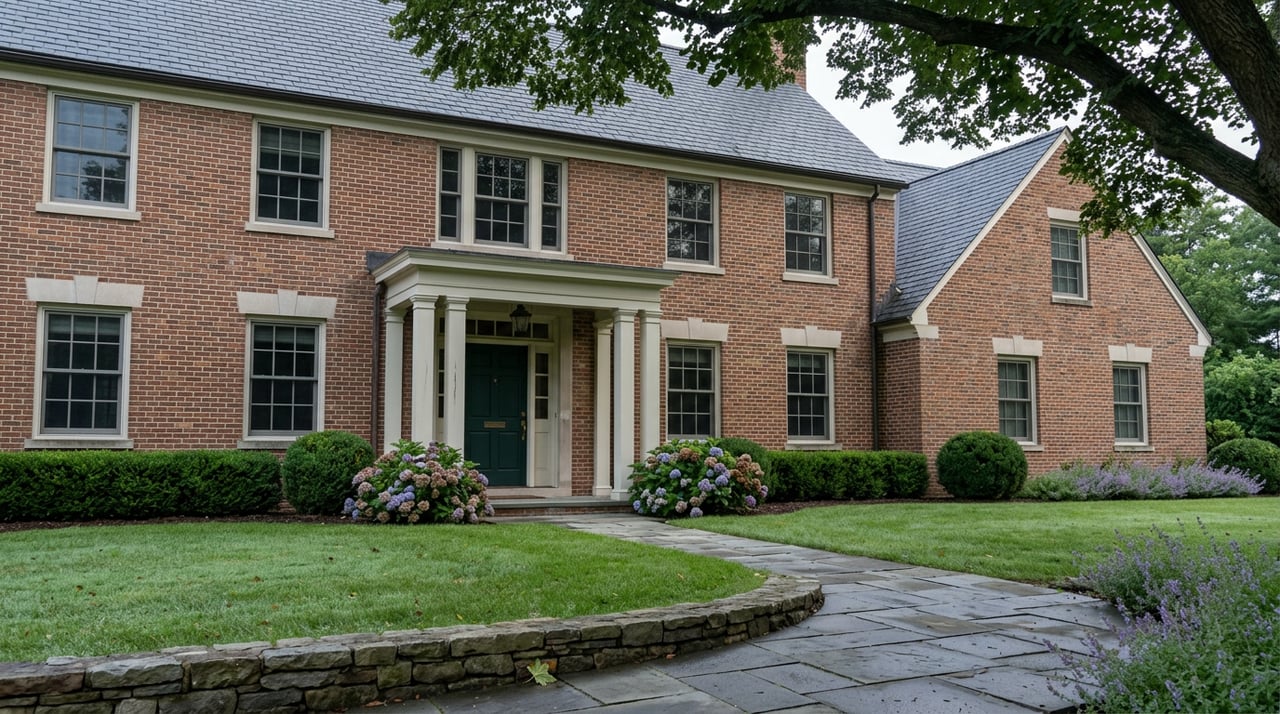
In February 2026, a six-bedroom, nine-bath estate on Race Street in Denver's Country Club neighborhood went to a cash buyer in nine days at $8,595,000, the highest detached sale in the metro that month. Four months later, a few blocks away, a 1923 bungalow on North Marion Street that had been reworked into a contemporary design in 1985 sat on the market as the least expensive listing anywhere in the historic district.
Same zip code. Same landmark protections. Same access to Cherry Creek and downtown. Wildly different outcomes.
If you've been comparing Country Club to other close-in Denver neighborhoods using the numbers you see on the portals, you've probably absorbed a single median price and a single days-on-market figure and assumed the market moves at one speed. It doesn't. Country Club's headline statistics are an average of two markets that behave nothing alike, and knowing which one you're shopping in changes what you should expect.
What the Median Actually Averages
The topline numbers for March 2026 look straightforward: a median sale price of $2.6 million, up 17.1 percent from a year earlier, with the typical home selling in 69 days compared to 113 days the prior March, according to Redfin's tracking of the neighborhood. Twelve homes sold that month, up from eight.
Read on its own, that reads as a market simply getting faster and pricier across the board. But a median blends everything from a fully restored 1920s Tudor to a bungalow with a decades-old remodel that no longer resembles its neighbors. It tells you where the middle sits. It does not tell you why some homes sell before the sign goes up and others sit for months regardless of price.
The Bungalow That Broke the Curve
The North Marion Street property is the clearest illustration. As the Denver Gazette reported in June 2026, the home began life as a 1923 bungalow before an extensive 1985 renovation gave it an open, updated look that stands apart from the classic revival styles that dominate the rest of the district. It's a genuinely interesting house. It's also, by the paper's account, the least expensive home currently listed in a neighborhood where scarcity usually pushes prices up, not down.
That's the tell. In most Denver neighborhoods, more square footage and more recent updates mean a higher price. In Country Club, a home that departs from the district's architectural language can end up priced below homes that are older, smaller, and less renovated but visibly period-correct.
| 181 Race Street (sold Feb. 2026) | 350 N. Marion Street (listed June 2026) | |
|---|---|---|
| Style | Six-bed, nine-bath estate in the district's dominant classical revival idiom | 1923 bungalow reworked into a contemporary design in 1985 |
| Time on market | 9 days | Marketed as the lowest-priced active listing in the historic district |
| Buyer behavior | Sold to an all-cash buyer at $8,595,000 | Positioned around its rarity as a non-traditional style within the district |
Redfin's own data on homes marketed specifically as vintage or historic within Country Club backs this up from a different angle. As of March 2026, that segment carried a median list price of $3.9 million, with typical homes drawing about three offers and going under contract in roughly 18 days, well ahead of the neighborhood's overall 69-day average. The gap between "historic" and "everything else" isn't a rounding error. It's the market telling you what it actually pays for.
Why Provenance Is the Actual Currency Here
Country Club's period architecture isn't incidental charm. It's a documented, defended asset with names attached to it. The district grew up alongside the Denver Country Club itself, founded in 1901 and relocated to its current site along Cherry Creek in 1904, and the residential streets that followed were laid out and designed by a specific roster of architects whose work is still identifiable house by house, according to the Colorado Encyclopedia.
William Ellsworth Fisher designed at least sixteen houses in the district along with the 1925 remodel of the Denver Country Club's own clubhouse. Temple Hoyne Buell designed the Dutch Colonial-style Fels House at 355 High Street in 1925. Jules Jacques Benoit Benedict designed at least five houses in the district, including the Beaux Arts-inspired Arthur House at 355 Gilpin Street in 1932. Maurice B. Biscoe designed his own Mediterranean-style stucco residence at 320 Humboldt Street in 1908. Burnham and Merrill Hoyt worked together on the Italian-style Merryweather House at 375 Humboldt Street in 1922 and the French chateau-style Sewell Thomas House at 380 Gilpin Street in 1925. The Denver Public Library's special collections archive adds John J. Huddart, Frank Frewen, and Ernest and Lester Varian to that same roster.
That level of documentation matters because Country Club is a National Register and Denver landmark district. Because of that status, exterior changes to any of the district's historic homes go through architectural review before a permit is issued. The practical effect is that the supply of period-correct, unaltered homes can't expand. Builders can't simply add more of them. That scarcity, backed by a paper trail of named architects and specific addresses, is what buyers are actually competing for when a listing like 181 Race Street hits the market.
The Four Blocks Behind the One Median
Country Club isn't architecturally uniform even within its own boundaries, which is part of why a single median can be misleading. The district developed in four distinct phases, each with its own streetscape. Park Club Place, at the west end, came first in 1905, with brick gateways, tree lawns, detached sidewalks, and smaller lots. Country Club Place followed in 1906 and was the first section actually planned, with William Fisher and his brother Arthur collaborating with landscape architect Frederick Law Olmsted Jr. on landscaped medians and unusually long, broad blocks with large lots. Country Club Annex and Park Lane Square rounded out the district later.
A buyer comparing a smaller lot on a Park Club Place block to a larger, Olmsted-influenced lot in Country Club Place is comparing two different products inside what portals report as one neighborhood median. Knowing which subdistrict a listing sits in tells you more about lot size and street character than the median price ever will.
What This Means If You're Comparing Neighborhoods
Country Club's activity is happening against a strong backdrop for luxury sales generally. Across the eleven-county Denver metro area, 5,567 properties sold for at least $1 million in 2025, totaling $9.1 billion, a 5 percent increase in transaction count and a 7 percent increase in total luxury value over 2024, per Denver Metro Association of Realtors data cited in the Glendale Cherry Creek Chronicle. Demand at this price point isn't soft. But in Country Club specifically, that demand doesn't distribute evenly across every listing.
If you're weighing Country Club against a neighborhood like Cherry Hills Village or Hilltop, the question to ask isn't "what's the median here versus there." It's whether the specific home you're considering is trading on architectural pedigree or trading despite the absence of it. A home with a documented architect, an intact facade, and a position within one of the four original subdistricts is competing in the nine-day, cash-buyer segment of this market. A home that's been substantially altered, however well, is competing in a slower, more price-sensitive segment even though it sits on the same block.
A Few Questions Worth Asking Before You Tour
Does a Landmark District designation mean I can't renovate? No, but it does mean exterior changes go through architectural review before permitting, which is exactly the mechanism that keeps period-correct inventory scarce and valuable.
Is a renovated home in Country Club a bad investment? Not necessarily. It depends on whether the renovation preserved or departed from the district's visual character. The market appears to reward the former and discount the latter, based on the spread between vintage-marketed listings and outliers like the Marion Street property.
Which subdistrict should I focus on? That depends on lot size and street character preferences. Park Club Place offers smaller lots and detached sidewalks. Country Club Place, shaped in part by Frederick Law Olmsted Jr.'s planning work, offers larger lots on notably broad blocks.
Country Club rewards buyers and sellers who understand which market they're actually in, not the one the median suggests. If you're comparing this neighborhood to others in central Denver and want a read on what a specific address is really competing against, the Wolfe Bouc Team can walk the block with you before you make an offer. Request a Private Consultation.